Und dann auf "Zum Home-Bildschirm [+]".

Stöbern
genialokal zum Startbildschirm hinzufügen
Installieren Sie die genialokal App auf Ihrem Startbildschirm für einen schnellen Zugriff und eine komfortable Nutzung.
Installieren Sie die genialokal App auf Ihrem Startbildschirm für einen schnellen Zugriff und eine komfortable Nutzung.
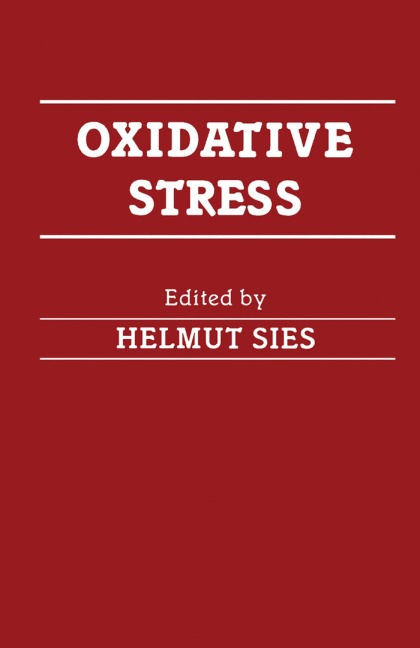
Oxidative Stress is intended as an in-depth account of knowledge and problems in the field of oxygen-related damage in biological systems. The topics range from an assessment of molecular events in in vitro model systems to complex problems in clinical medicine. Organized into two parts with a total of 18 chapters, this book begins with an introduction to oxidative stress, elucidating specific topics on reactive oxygen species, detoxification system, and nature of oxidative damage. The first part focuses on models used with cells and tissues in the study of oxidative stress, whereas the second part describes the processes elicited by oxidative stress.
Contributors Preface 1 Oxidative Stress: Introductory Remarks I. Introduction II. Reactive Oxygen Species III. Detoxication Systems: Antioxidant Defense IV. Nature of Oxidative Damage V. Processes Elicited by Oxidative Stress VI. Cellular and Medical Aspects References I Models Used with Cells and Tissues 2 Radiolysis of DNA and Model Systems in the Presence of Oxygen I. Introduction II. General Aspects of Peroxyl Radical Chemistry III. Model Systems IV. Strand Breakage in DNA and Polynucleotides in the Presence of Oxygen V. Base Damage in DNA VI. The Oxygen Effect References 3 Organic Peroxy Free Radicals as Ultimate Agents in Oxygen Toxicity I. Introduction II. Organic Free Radical Generation in Aqueous Solution: Simplicity of Cobalt Gamma-Ray and Pulse Radiolysis Techniques III. Reaction of Organic Free Radicals with Oxygen IV. Fate of Peroxy Free Radicals RO2-: Transformation to O2-- V. Rapid Reaction of RO2- but Not R- or O2-- with NADH VI. Rapid Reaction of RO2- but Not R- with Antioxidants, Unsaturated Fatty Acids, Anti-Inflammatory Drugs and Amino Acids VII. Inactivation of a Virus by a Peroxy Radical: Protection by Some Anti-Inflammatory Drugs VIII. Inactivation of Lysozyme by CCl3O2- IX. Inactivation of Alcohol Dehydrogenase by Peroxy Radicals (RO2-) Generally but Not O2-- X. Protection of ADH by Antioxidants and SOD XI. Concluding Remarks References 4 Hydroperoxides and Thiol Oxidants in the Study of Oxidative Stress in Intact Cells and Organs I. Introduction II. t-Butyl Hydroperoxide as a Model Hydroperoxide III. Hepatic Processes Initiated by t-Butyl Hydroperoxide IV. Diamide as a Useful Thiol Oxidant V. Some Processes Studied with Diamide VI. Concluding Remarks References 5 Quinone-Induced Oxidative Injury to Cells and Tissues I. Introduction II. Redox Cycling of Quinones and the Generation of Active Oxygen Species III. Role of Redox Cycling in Quinone Cytotoxicity IV. Potential Inhibition of Superoxide Dismutase by Quinones V. Quinones as Antioxidants VI. Quinones as Mutagens and Carcinogens VII. Quinones as Toxic Metabolites 6 Nitrosoureas I. Introduction II. Chemistry of the Nitrosoureas III. Active Site-Directed Carbamylation of Glutathione Reductase IV. Protective Role of Glutathione against Chemically Mediated Cellular Injury V. Oxidative Stress by Inactivation of Glutathione Reductase VI. Conclusions References 7 Antimalarials I. Introduction II. A Background to Malaria III. Present Antimalarial Drugs: A Synopsis IV. Vulnerability of Malaria Parasites to Free-Radical-Induced Oxidative Stress V. Divicine and Isouramil, Naturally Occurring Antimalarials That Act through Oxidative Stress VI. Possibility That Some Existing Antimalarials Might Act through Oxidative Stress VII. New Approaches References 8 The Role of Oxygen Concentration in Oxidative Stress: Hypoxic and Hyperoxic Models I. Introduction II. Overview: Models of Oxidative Injury III. O2 Supply IV. Patterns of Response of O2-Dependent Systems V. O2 Dependence of Specific Systems VI. Conclusions References 9 The Role of Dietary Components in Oxidative Stress in Tissues I. Factors Affecting Lipid Peroxidation II. Incorporation of Dietary Polyunsaturated Fatty Acids into Membranes and Their Effects on Lipid Peroxidation III. Metal Catalysts in the Diet IV.