Und dann auf "Zum Home-Bildschirm [+]".

Stöbern
genialokal zum Startbildschirm hinzufügen
Installieren Sie die genialokal App auf Ihrem Startbildschirm für einen schnellen Zugriff und eine komfortable Nutzung.
Installieren Sie die genialokal App auf Ihrem Startbildschirm für einen schnellen Zugriff und eine komfortable Nutzung.
Ihr gewünschter Artikel ist in 0 Buchhandlungen vorrätig - wählen Sie hier eine Buchhandlung in Ihrer Nähe aus:

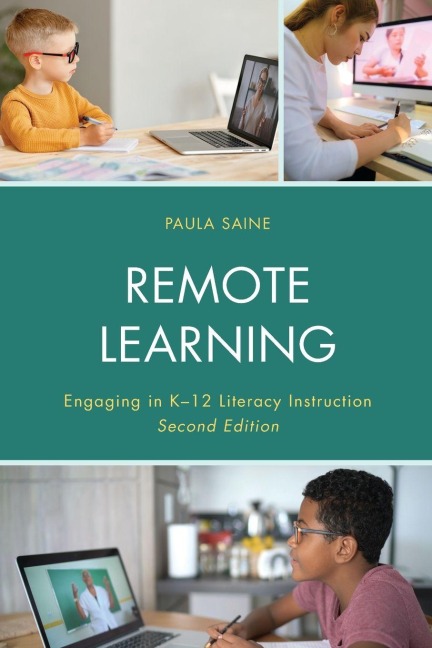
Remote Learning: Engaging in K-12 Literacy Instruction is about teacher candidates engaging K-12 students in remote literacy instruction during their teacher preparation programs. This book includes new case studies for tutoring diverse students remotely with diverse literacy learning needs that ranges from English Language Learners to students with special needs. It also includes remote teaching in diverse settings such as, intervention programs, virtual and private schools, and so forth. Many more web meeting tools such as, Adobe Connect, Zoom, Google Classroom made it possible for synchronous tutoring. And be sure to check out the wide range of digital resources that supported K-12 remote literacy instruction. The digital tools included CommonLit, IXL, RoomRecess, ABC Mouse, and more!
Paula Saine is professor and John Heckert Endowed Faculty of Literacy in the Department of Teaching, Curriculum, and Educational Inquiry at Miami University in Ohio where she teaches courses in literacy and technology. She is an internationally recognized leader and expert, especially in preparing teacher candidates to incorporate best practices while engaging K-12 students in literacy instruction. Her research centers on three important and interrelated principles that include: literacy, cultural competence, and the use of digital technologies in K-12.
Introduction Part I: Planning Chapter 1: What Is a Remote Tutor? Chapter 2: Selecting Online Materials Part II: Remote Engagement of Instructional Practices Chapter 3: Teaching Phonics and Vocabulary Development Chapter 4: Developing Reading Fluency Instruction Chapter 5: Promoting Reading Comprehension Chapter 6: Making a Cyber-Literacy Connection Chapter 7: Fostering Authentic Writing Part III: Reflections of Remote Experiences Chapter 8: Voices of Remote Tutors and Tutees Appendix A: Online Resources Appendix B: Lesson Reflection Prompts Appendix C: Remote Teaching Survey About the Author Index