Und dann auf "Zum Home-Bildschirm [+]".

Stöbern
genialokal zum Startbildschirm hinzufügen
Installieren Sie die genialokal App auf Ihrem Startbildschirm für einen schnellen Zugriff und eine komfortable Nutzung.
Installieren Sie die genialokal App auf Ihrem Startbildschirm für einen schnellen Zugriff und eine komfortable Nutzung.
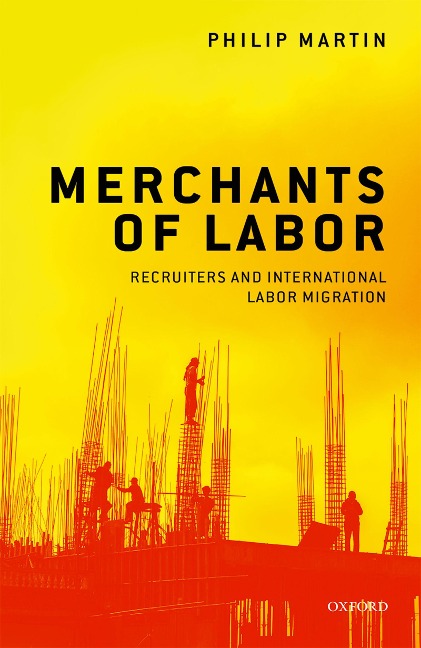
Some 10 million migrant workers cross national borders each year and, if they pay an average $1,000 to recruiters, moving workers over borders is a $10 billion a year business. Merchants of Labor examines the businesses that move low-skilled workers over national borders, asking how much they collect from migrant workers and what can be done to reduce worker-paid migration costs. For-profit recruiters are likely to be an enduring feature of international labor migration, which makes developing tools to improve the management of their activities ever more crucial. The UN recognized in the Sustainable Development Goals for 2030 the need to measure what workers pay to get jobs in other countries with the goal of reducing worker-paid costs so that workers and their families can benefit more from international labor migration. Using cost data from over 3,000 workers, Merchants of Labor examines the often murky world of labor brokers, travel agents, and others who move low-skilled workers from one country to another in order to explore lower worker-paid migration costs. It explains the three core functions of labor markets-- recruitment, remuneration, and retention-- and shows how national borders increase recruitment costs. New data on what workers pay to get jobs in other countries are presented, and incentives to complement enforcement are explored as a way to induce recruiters to protect migrant workers.
Philip Martin is Professor of Agricultural and Resource Economics at the University of California, Davis. He edits Rural Migration News, has served on several federal commissions, and testifies frequently before Congress. He is an award-winning author who works for UN agencies around the world on labor and migration issues.
- Part I. Labor migration and labor markets - 1: International labor migration - 2: Labor markets and migration - Part II. What do workers pay? - 3: Migration costs in destinations - 4: Migration costs of returning workers - Part III. Regulating recruitment - 5: The recruiting business - 6: Regulating recruiters - 7: Recruiter incentives and alternatives - 8: Employers, recruiters, and workers
Dieses eBook wird im PDF-Format geliefert und ist mit einem Adobe Kopierschutz (DRM) versehen. Sie können dieses eBook mit allen Geräten lesen, die das PDF-Format und den Adobe Kopierschutz (DRM) unterstützen.
Zum Beispiel mit den folgenden Geräten:
• tolino Reader
Laden Sie das eBook direkt über den Reader-Shop auf dem tolino herunter oder übertragen Sie das eBook auf Ihren tolino mit einer kostenlosen Software wie beispielsweise Adobe Digital Editions.
• Sony Reader & andere eBook Reader
Laden Sie das eBook direkt über den Reader-Shop herunter oder übertragen Sie das eBook mit der kostenlosen Software Sony READER FOR PC/Mac oder Adobe Digital Editions auf ein Standard-Lesegeräte mit epub- und Adobe DRM-Unterstützung.
• Tablets & Smartphones
Möchten Sie dieses eBook auf Ihrem Smartphone oder Tablet lesen, finden Sie hier unsere kostenlose Lese-App für iPhone/iPad und Android Smartphone/Tablets.
• PC & Mac
Lesen Sie das eBook direkt nach dem Herunterladen mit einer kostenlosen Lesesoftware, beispielsweise Adobe Digital Editions, Sony READER FOR PC/Mac oder direkt über Ihre eBook-Bibliothek in Ihrem Konto unter „Meine eBooks“ - „online lesen“.
Schalten Sie das eBook mit Ihrer persönlichen Adobe ID auf bis zu sechs Geräten gleichzeitig frei.
Bitte beachten Sie, dass die Kindle-Geräte das Format nicht unterstützen und dieses eBook somit nicht auf Kindle-Geräten lesbar ist.