Und dann auf "Zum Home-Bildschirm [+]".

Stöbern
genialokal zum Startbildschirm hinzufügen
Installieren Sie die genialokal App auf Ihrem Startbildschirm für einen schnellen Zugriff und eine komfortable Nutzung.
Installieren Sie die genialokal App auf Ihrem Startbildschirm für einen schnellen Zugriff und eine komfortable Nutzung.
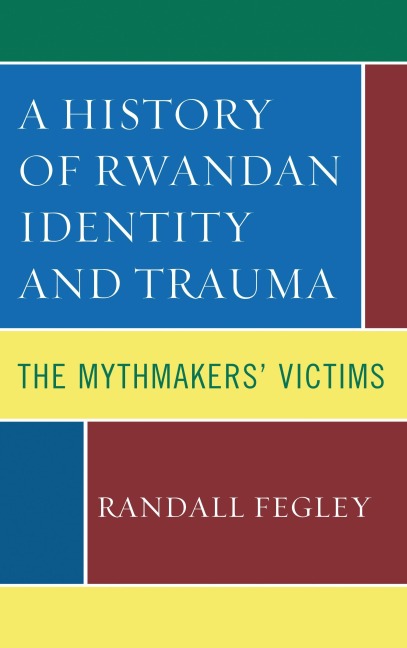
Few societies have faced the difficulties of identity building experienced by Rwanda. This book's introduction reviews literature on the concepts of myth and trauma, and then introduces basic information on Rwanda and how it has been viewed by the outside world. Chapter One describes early Rwanda's political and cultural development, traditional narratives, group migrations, the effects of German and later Belgian colonialism, and the introduction of Christianity. It concludes with a look at how this early history has been interpreted and reinterpreted. The second chapter discusses the end of Tutsi dominance and the 1959 Hutu Revolution. It details Hutu Power ideology, Belgian domestic politics, early acts of genocide, refugee movements, and economic and political stagnation. The text documents the development of the Rwandan Patriotic Front, its 1990 invasion, and the Arusha peace process. An account of the 1994 genocide follows. However, as this has been covered in numerous other works, descriptions are limited to key events and general patterns. The chapter ends with a review of films, books, and other publications that brought Rwanda's plight to a worldwide audience, but that also created new myths. Chapter Three examines the country's post-genocide reconstruction and attempts to bring justice and reconciliation through the International Criminal Tribunal for Rwanda in Tanzania and gacaca courts domestically. Rwanda's impressive record of economic progress over the last two decades is detailed. However, prospects for democracy have diminished, as its leaders have become increasingly sensitive to criticism and fearful of renewed divisions. Descriptions of the process of developing school curriculums to explain past atrocities, the new myths it created, and their possible consequences comprise most of Chapter Four. The final chapter offers conclusions on the effects of past mythologies and the trauma they have wrought. It draws comparisons with other divided societies and their approaches to dealing with the past. These include Burundi, Ethiopia, South Africa, the United States, Taiwan, Canada, Belgium, Switzerland, and Singapore. An extensive bibliography of books, theses, conference papers, official documents, articles, periodicals, journals, films, websites, other media, and interviews includes translations of titles in Kinyarwanda, French, Dutch, and German.
Randall Fegley is political historian at Pennsylvania State University's Berks College.
Introduction: Myth, Trauma, and Rwanda
Chapter 1. Pre-Colonial Inequalities and Colonial Assumptions
Chapter 2. Hutu Power and Genocide
Chapter 3. Justice and Unity?
Chapter 4. Creating a Competing Mythology
Chapter 5. Comparisons and Conclusions
Dieses eBook wird im PDF-Format geliefert und ist mit einem Adobe Kopierschutz (DRM) versehen. Sie können dieses eBook mit allen Geräten lesen, die das PDF-Format und den Adobe Kopierschutz (DRM) unterstützen.
Zum Beispiel mit den folgenden Geräten:
• tolino Reader
Laden Sie das eBook direkt über den Reader-Shop auf dem tolino herunter oder übertragen Sie das eBook auf Ihren tolino mit einer kostenlosen Software wie beispielsweise Adobe Digital Editions.
• Sony Reader & andere eBook Reader
Laden Sie das eBook direkt über den Reader-Shop herunter oder übertragen Sie das eBook mit der kostenlosen Software Sony READER FOR PC/Mac oder Adobe Digital Editions auf ein Standard-Lesegeräte mit epub- und Adobe DRM-Unterstützung.
• Tablets & Smartphones
Möchten Sie dieses eBook auf Ihrem Smartphone oder Tablet lesen, finden Sie hier unsere kostenlose Lese-App für iPhone/iPad und Android Smartphone/Tablets.
• PC & Mac
Lesen Sie das eBook direkt nach dem Herunterladen mit einer kostenlosen Lesesoftware, beispielsweise Adobe Digital Editions, Sony READER FOR PC/Mac oder direkt über Ihre eBook-Bibliothek in Ihrem Konto unter „Meine eBooks“ - „online lesen“.
Schalten Sie das eBook mit Ihrer persönlichen Adobe ID auf bis zu sechs Geräten gleichzeitig frei.
Bitte beachten Sie, dass die Kindle-Geräte das Format nicht unterstützen und dieses eBook somit nicht auf Kindle-Geräten lesbar ist.