Und dann auf "Zum Home-Bildschirm [+]".

Stöbern
genialokal zum Startbildschirm hinzufügen
Installieren Sie die genialokal App auf Ihrem Startbildschirm für einen schnellen Zugriff und eine komfortable Nutzung.
Installieren Sie die genialokal App auf Ihrem Startbildschirm für einen schnellen Zugriff und eine komfortable Nutzung.
Ihr gewünschter Artikel ist in 0 Buchhandlungen vorrätig - wählen Sie hier eine Buchhandlung in Ihrer Nähe aus:

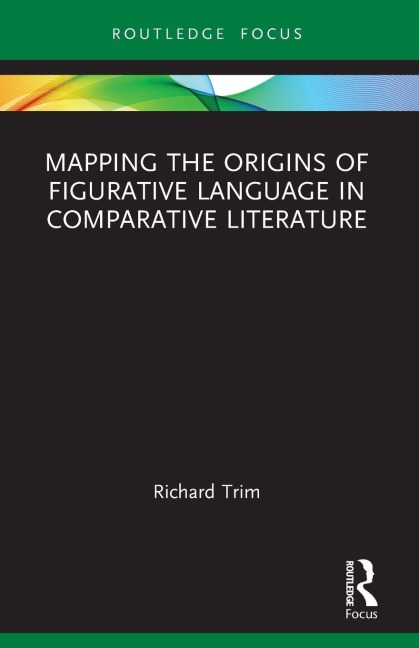

This book investigates the origins of figurative language in literary discourse within a cognitive framework. It represents an interface between linguistics and literature and develops a 6-tier theoretical model which analyses the different factors contributing to the creation of figurative words and expressions.
Richard Trim is Professor Emeritus in linguistics at the University of Toulon, France. His interest in the study of figurative language covers a wide variety of fields including historical linguistics, contrastive linguistics and translation with the analysis of corpora in both political and literary discourse. He has published widely in these different areas in the form of journal articles, the editing of conference proceedings, book reviews and monographs.
Towards a global model of figurative origins Conceptual mapping Overview of mappings in pandemic poetry Cultural versus universal features Linguistic structures Poetic licence Figurative creativity in language structure The power of figurative language Old and new words Composite structures Morpho-syntax and stylistic effects Neologisms Cross-language evidence for the limits of linguistic creation Linguistic relativity Translating language structures Language distance Innovative morphology Metaphor versus simile Dating translation Composite order and semantics Symbolic features Underlying figurative thought Cross-language imagery Cognitive theories Individual conceptualisation Cognitive linguistics Metaphor and symbol Cognitive and conflictual paradigms Tracing cultural history Diachronic conceptual networking Diachronic salience Historical origins of figurative words The love/death conceptual metaphor Understanding figurative language in Early Modern English Theories of reference in conceptual mapping Extra-linguistic reference Mental spaces Possible worlds and discourse worlds Reference in conceptual mappings Philosophy and reference Hidden reference theory Textual reference Textual reference in the form of narrative Variants of love Social attitudes in D.H. Lawrence Existentialism in Simone De Beauvoir Personal psychology in Hermann Hesse Personal biography in figurative language Narrative and personal biography "Distortion" of personal lives Criticism of biographical theories Autobiography and autofiction Individual biographies Symbolic influence in D.H. Lawrence The philosophical background to Simone De Beauvoir Freudian psychology in Hermann Hesse Real and non-real worlds Conceptualisation of the real world Time trajectories in literal meaning Multicultural conceptualisation of time and space Time and space in literary thought Conceptualisation and beliefs in Emily Dickinson The transformation of reality The Venezuelan poet Eugenio Montejo Transfigured time Time symbolism and language structure Switching between past and future New spatial forms Notions of real worlds Multiple conceptual mapping The symbolic notion of "The South" in Jorge Luis Borges The background to Borges' life Narratological conceptual mappings Language-specific symbolism in Borges Fantasy and the defiance of death The overall picture