Und dann auf "Zum Home-Bildschirm [+]".

Stöbern
genialokal zum Startbildschirm hinzufügen
Installieren Sie die genialokal App auf Ihrem Startbildschirm für einen schnellen Zugriff und eine komfortable Nutzung.
Installieren Sie die genialokal App auf Ihrem Startbildschirm für einen schnellen Zugriff und eine komfortable Nutzung.
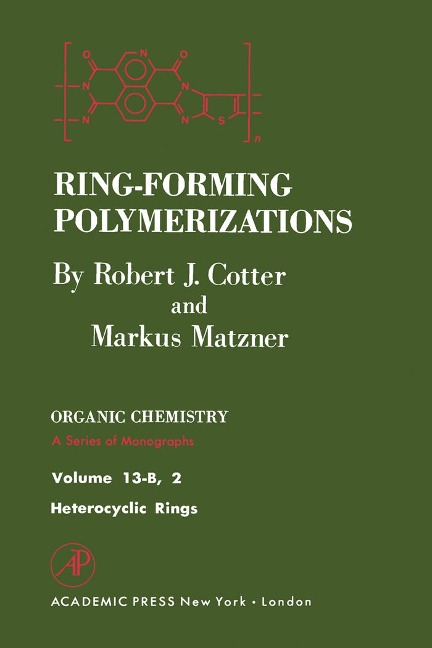
Ring-forming Polymerizations is a part of a volume that features a complete review and compilation of ring-forming polymerization reactions that result to heterocyclic ring formation. This book shows relevant growth in terms of research and commercial development in the area of polymer chemistry. This volume is comprised of four major chapters and is organized according to the specific heterocyclic ring structure resulting from ring-forming polymerizations. Each of the chapters is arranged further according to the polymer type and the different methods used in the preparation of that type, where emphasis is given to synthetic methods. This book specifically discusses the linear polymers that were intentionally made. Also, the structures presented are limited in scope considering that they are the result of the research cited in this book. However, claims that dispute a certain structure found in the research are also included to provide balance, fairness, and objectivity. Specifically, this book is a valuable resource for polymer and organic chemists. However, it can also be of great use to those scientists and researchers interested in the study of polymer chemistry of living systems.
PrefaceContents of Part AContents of Part B, 1IntroductionChapter I. Rings Containing Four Carbon Atoms A. Polyimides Polyimide Homopolymers Method 1. Thermal Dehydration of Polyamic Acids Method 2. Chemical Dehydration of Polyamic Acids Method 3. Polyimides via Intermediate Polyiminolactones Method 4. Polyimides from Diamines and Tetranitriles Method 5. Polyimides from Diisocyanates and Dianhydrides Method 6. Miscellaneous Polyimide Syntheses Properties Applications Poly(Amide-Imides) Method 7. Thermal Dehydration of Polyamic Acids Method 8. Chemical Dehydration of Polyamic Acids Method 9. Polymerization of Trimellitic Anhydride with Diisocyanates Properties and Applications Poly(Ester-Imides) Method 10. Thermal Dehydration of Polyamic Acids Method 11. Poly(Ester-Imides) from Dianhydrides and Diisocyanates Method 12. Poly(Ester-Imides) from Trimellitic Anhydride and Diamines and Diols Properties of Poly(Ester-Imides) Poly(Imide-Imidazopyrrolones) Method 13. Thermal Dehydration of Polyamic Acids Method 14. Polymerization in Polyphosphoric Acid Polytriazololactams Method 15. Thermal Dehydration of Appropriate Polyamic Acids Oxadiazole Copolymers Method 16. Thermal Dehydration of Polyamic Acids to Give Copolymers Containing the 1,3,4-Oxadiazole Ring Method 17. Thermal Dehydration of Polyamic Acids to Give Copolymers Containing the 1,2,4-Oxadiazole Ring Polyiminolactones Method 18. Chemical Dehydration of Polyamic Acids Chemical Reactions of Polyiminolactones B. Polymers Containing Pyrrole and Related Rings Method 1. Polyteracyanoethylene Method 2. Polyphthalocyanines Method 3. Polymerization of Multifunctional Nitriles and Amines Method 4. Polypyrrolines from Diamines Method 5. Polypyrollinones C. Poly(1,3-Oxazinones) and Poly(1,3-Oxazindiones) Method 1. Poly(1,3-Oxazinones) from o-Amino Aromatic Carboxylic Acids Method 2. Poly(1,3-Oxazindiones) from Diisocyanates and Bis(Hydroxy Acids) Method 3. Poly(1,3-oxazindiones) from Carbonate-Blocked Bis(Hydroxy Acids) and Diamines D. Polydioxins, Polyoxazines, and Polythiazines Method 1. Polydioxins from Tetraphenols and Tetrachloroquinoxalines Method 2. Polyoxazines and Polythiazines from Diaminodiphenols and Tetrachloro or TetrahydroxyCompounds Method 3. Polyoxazines and Polythiazines from Diaminodiphenols and Quinones Method 4. Condensation of Diaminodithiophenols with Bis-(a-Haloalkyl Aryl Ketones) E. Polyquinoxalines and Related Types Method 1. Pyrazine Ring-Containing Polymers Method 2. Polyquinoxalines from Bis(o-Diamines) and Tetracarbonyl Compounds Method 3. Polyquinoxalines by Polycondensation in Polyphosphoric Acid Properties of Polyquinoxalines F. Polypiperazines and Polydiketopiperazines Method 1. Polypiperazines from Bis(ß-Hydroxyethyl)Diamines Method 2. Polymerization of Bis(a-Amino Acids) to Polydiketopiperazines Method 3. Polydiketopiperazines from Bis(a-Chloroacetamides) G. Polypyrimidines and Polytetraazapyrenes Method 1. Polypyrimidine Syntheses Method 2. Polytetraazapyrene Synthesis H. Polypyrimidones, Polyquinazolones, and Polyquinazolinediones Method 1. Polypyrimidones from Unsaturated Isocyanates Method 2. Polyquinazolones from Diamines and Bis(benzoxazinones) Method 3. Polyquinazolones from Aromatic Bis(o-Amino Acids) and Derivatives Method 4. Polyquinazolinediones by Condensation of Diisocyanates with Aromatic Bis(o-Amino Acids) Method 5.