Und dann auf "Zum Home-Bildschirm [+]".

Stöbern
genialokal zum Startbildschirm hinzufügen
Installieren Sie die genialokal App auf Ihrem Startbildschirm für einen schnellen Zugriff und eine komfortable Nutzung.
Installieren Sie die genialokal App auf Ihrem Startbildschirm für einen schnellen Zugriff und eine komfortable Nutzung.
Ihr gewünschter Artikel ist in 0 Buchhandlungen vorrätig - wählen Sie hier eine Buchhandlung in Ihrer Nähe aus:

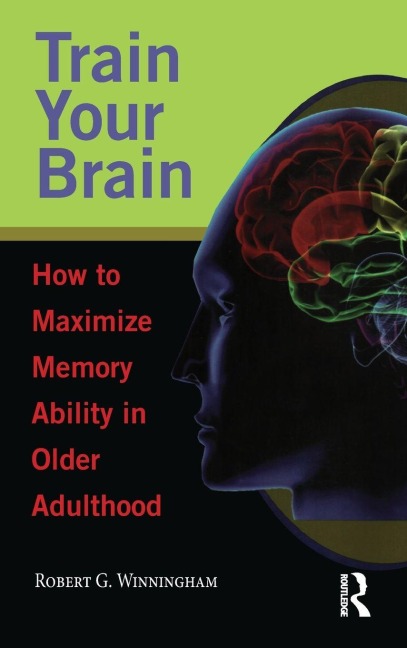
Suitable for older adults, and the people who work with them, this title offers practical and scientifically based suggestions and interventions on how to maintain and improve memory ability. It contains cognitive enhancement activities, with instructions, that can be used to create a memory enhancement program for oneself or others.
Robert G. Winningham, Western Oregon University
Chapter 1. Introduction: Can Memory Ability be Improved? The idea that memory ability can be improved is presented and supported. Research is showing that our memory and cognitive abilities are affected by controllable lifestyle factors. Chapter 2. How Memory Works The reader will learn the basic facts and theories about memory. These ideas reappear throughout the book and will help the reader understand subsequent chapters at a deeper level. Chapter 3. How the Brain Works This chapter provides a basic description of how the brain works, in particular how it makes, stores, and retrieves memories. This information will allow the reader to understand what happens to the brain (and memory) as we age, which will enable them to understand why we need to do certain types of memory enhancement activities. Chapter 4. Use It or Lose It The Use It or Lose It theory of memory and aging will show the reader how important it is to stay mentally active. In addition to looking at the plethora of research that supports the idea that staying mentally active will decrease one's chance of having memory problems, this chapter also contains a long list of activities that people can do to stay mentally active and cognitively sharp. Chapter 5. Nutrition The nutrition chapter details how what we eat can either increase or decrease the likelihood of developing memory problems. Lists of foods that are good for maintaining a healthy brain are presented. Chapter 6. Physical Exercise Maximizing memory ability and decreasing the chance of developing dementia requires a holistic approach and physical exercise is a key component to maintaining good cognitive abilities. In this chapter, the reader will learn how exercise affects our memory and attention abilities and which types of exercises are best for preventing dementia. Chapter 7. Mood and Social Support This chapter was written to provide people with information about depression and aging, including the symptoms, treatments, and its affect on memory ability. In addition, the topic of social support and aging is covered and practical interventions are suggested. Chapter 8. Stress and Memory Information about the effects of stress on memory and why stress usually impairs memory ability are presented. The reader is also provided with practical suggestions to reduce stress and improve memory ability. Chapter 9. Sleep and Memory Many types of sleep disorders may impact memory ability. This chapter focuses on those disorders, their impact on memory, and possible treatments, which may improve sleep and memory ability. Chapter 10. Practical Tips Twelve useful and practical tips to improve memory are presented. These simple, research based suggestions can dramatically improve people's ability to make, retain, and recall memories. Chapter 11. What is Dementia? This chapter contains information about the various types of dementia and their precursor conditions and risk factors. The reader will also learn about the available pharmacological treatments for dementia. Chapter 12. Creating Your Own Cognitive Enhancement Classes This unique chapter contains a large number of cognitively stimulating activities that can be used to create your own cognitive enhancement program. Ideas about how to customize the activities for people of varying cognitive abilities are also included. Chapter 13. Starting and Sustaining Your Cognitive Enhancement Program This chapter includes information about where classes can be held, how to charge participants for your time, and materials. We will also explore which types of participants benefit the most from memory classes and which type of participants can negatively impact the ability of other participants to benefit from the classes. Chapter 14. Participant Management: How to Help More People Benefit from Cognitive Stimulation This chapter contains ideas and strategies to maximally stimulate higher functioning older adults as well those who have more severe memory impairment or even early stage dementia. Additionally, information about motivating people to take the necessary steps to improve their memory ability and quality of life is presented. References Appendices