Und dann auf "Zum Home-Bildschirm [+]".

Stöbern
genialokal zum Startbildschirm hinzufügen
Installieren Sie die genialokal App auf Ihrem Startbildschirm für einen schnellen Zugriff und eine komfortable Nutzung.
Installieren Sie die genialokal App auf Ihrem Startbildschirm für einen schnellen Zugriff und eine komfortable Nutzung.

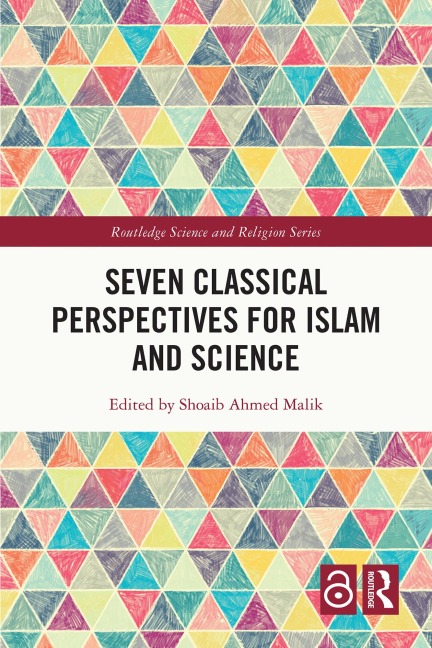
This book examines how seven major classical Islamic thinkers, from Abu Man-ur al-Maturidi to Taqi al-Din Ibn Taymiyya, developed distinctive metaphysical and theological worldviews that continue to shape how Muslims might engage questions of science and religion today. Each thinker represents a unique school within the broader Islamic intellectual tradition, from the rationalism of the Mütazilis and the philosophical vision of Ibn Sina to the mystical cosmology of Ibn -Arabi and the realist theology of Ibn Taymiyya. Through a shared analytic framework, the chapters present how these figures understood God, causality, nature, chance, miracles, and human uniqueness, highlighting their enduring insights and divergences. The result is a coherent and accessible comparative study that bridges classical kalam, falsafa, and Sufism with contemporary discussions in science and theology. This volume is written for researchers, educators, and students of theology, philosophy, and science and religion, and for anyone seeking to understand how classical Islamic thought can offer fresh resources for engaging contemporary science. The Open Access version of this book, available at http://www.taylorfrancis.com, has been made available under a Creative Commons Attribution-Non Commercial-No Derivatives (CC BY-NC-ND) 4.0 license.
Shoaib Ahmed Malik is Lecturer in Science and Religion at the School of Divinity, University of Edinburgh.
Introduction 1. The Maturidi Tradition: Abu Man-ur al-Maturidi 2. The Mu-tazili Tradition: Qäi -Abd al-Jabbar 3. The Falsafa Tradition (Neoplatonism): Ibn Sina 4. The Ash-ari Tradition: Fakhr al-Din al-Razi 5. The Falsafa Tradition (Aristotelianism): Ibn Rushd 6. The Sufi Theosophical Tradition: Mu-yi al-Din Ibn -Arabi 7. The -anbali/Athari Tradition: Ibn Taymiyya