Und dann auf "Zum Home-Bildschirm [+]".

Stöbern
genialokal zum Startbildschirm hinzufügen
Installieren Sie die genialokal App auf Ihrem Startbildschirm für einen schnellen Zugriff und eine komfortable Nutzung.
Installieren Sie die genialokal App auf Ihrem Startbildschirm für einen schnellen Zugriff und eine komfortable Nutzung.
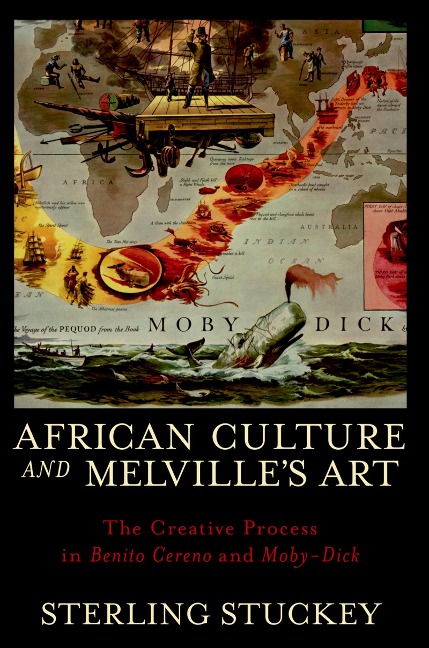
Although Herman Melville's masterworks Moby-Dick and Benito Cereno have long been the subject of vigorous scholarly examination, the impact of African culture on these works has received surprisingly little critical attention. Presenting a groundbreaking reappraisal of these two powerful pieces of fiction, Sterling Stuckey reveals how African customs and rituals heavily influenced one of America's greatest novelists. The Melville that emerges in this innovative, intertextual study is one profoundly shaped by the vibrant African-influenced music and dance culture of nineteenth-century America. Drawing on extensive research, Stuckey reveals how celebrations of African culture by black Americans, such as the Pinkster festival and the Ring Shout dance form, permeated Melville's environs during his formative years and found their way into his finest fiction. Also demonstrated is the extent to which the author of Moby-Dick is indebted to Frederick Douglass's depiction of music, especially the blues, in his classic slave narrative. Connections between Melville's work and African culture are also extended beyond America to the African continent itself. With readings of hitherto unexplored chapters in Delano's Voyages and Travels in the Northern and Southern Hemispheres and other nonfiction sources--such as Joseph Dupuis's Journal of a Residence in Ashantee --Stuckey links Benito Cereno and Moby-Dick , pinpointing the sources from which Melville drew to fashion major characters that appear aboard both the Pequod and the San Dominick . Combining inventive literary and historical analysis, Stuckey shows how myriad aspects of African culture coalesced to create the unique vision conveyed in Moby-Dick and Benito Cereno. Ultimately, African Culture and Melville's Art provides a wealth of insight into the novelist's expressive power and the development of his distinct cross-cultural aesthetic.
Sterling Stuckey is Distinguished Professor Emeritus of History at University Of California, Riverside. He is the author of the groundbreaking studies Slave Culture: Nationalist Theory and the Foundations of Black America and Going through the Storm: The Influence of African American Art in History, both published by Oxford University Press.
Introduction 1. The Tambourine in Glory 2. Benito Cereno and Moby Dick 3. The Hatchet-Polishers, Benito Cereno, and Amasa Delano 4. Cheer and Gloom: Frederick Douglass and Herman Melville on Slave Music and Dance Appendix: Chapter XVI from Captain Amasa Delano's A Narrative of Voyages and Travels
Dieses eBook wird im PDF-Format geliefert und ist mit einem Adobe Kopierschutz (DRM) versehen. Sie können dieses eBook mit allen Geräten lesen, die das PDF-Format und den Adobe Kopierschutz (DRM) unterstützen.
Zum Beispiel mit den folgenden Geräten:
• tolino Reader
Laden Sie das eBook direkt über den Reader-Shop auf dem tolino herunter oder übertragen Sie das eBook auf Ihren tolino mit einer kostenlosen Software wie beispielsweise Adobe Digital Editions.
• Sony Reader & andere eBook Reader
Laden Sie das eBook direkt über den Reader-Shop herunter oder übertragen Sie das eBook mit der kostenlosen Software Sony READER FOR PC/Mac oder Adobe Digital Editions auf ein Standard-Lesegeräte mit epub- und Adobe DRM-Unterstützung.
• Tablets & Smartphones
Möchten Sie dieses eBook auf Ihrem Smartphone oder Tablet lesen, finden Sie hier unsere kostenlose Lese-App für iPhone/iPad und Android Smartphone/Tablets.
• PC & Mac
Lesen Sie das eBook direkt nach dem Herunterladen mit einer kostenlosen Lesesoftware, beispielsweise Adobe Digital Editions, Sony READER FOR PC/Mac oder direkt über Ihre eBook-Bibliothek in Ihrem Konto unter „Meine eBooks“ - „online lesen“.
Schalten Sie das eBook mit Ihrer persönlichen Adobe ID auf bis zu sechs Geräten gleichzeitig frei.
Bitte beachten Sie, dass die Kindle-Geräte das Format nicht unterstützen und dieses eBook somit nicht auf Kindle-Geräten lesbar ist.