Und dann auf "Zum Home-Bildschirm [+]".

Stöbern
genialokal zum Startbildschirm hinzufügen
Installieren Sie die genialokal App auf Ihrem Startbildschirm für einen schnellen Zugriff und eine komfortable Nutzung.
Installieren Sie die genialokal App auf Ihrem Startbildschirm für einen schnellen Zugriff und eine komfortable Nutzung.
Ihr gewünschter Artikel ist in 0 Buchhandlungen vorrätig - wählen Sie hier eine Buchhandlung in Ihrer Nähe aus:

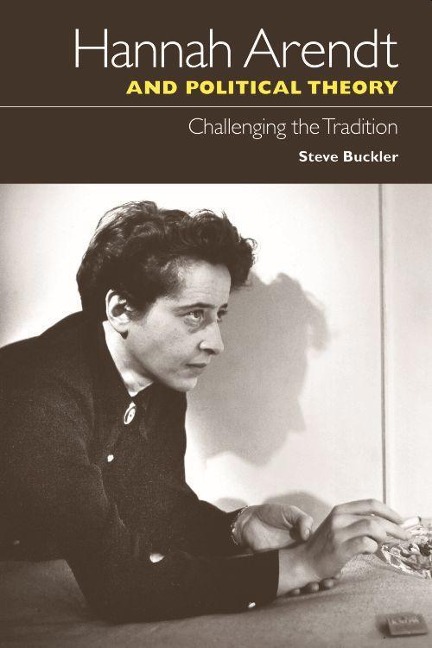
AUTHOR APPROVED Hannah Arendt's work has been noted for its unorthodox and eclectic style. This book aims to show that her unusual approach in fact reflects a consistent and distinctive conception of, and way of doing, political theory. This is established through close readings of her most influential works. In light of these readings Steve Buckler argues that Arendt's work is of continuing relevance in offering an important and challenging alternative to the more orthodox methods that are characteristic of modern political theory in both its analytical and post-analytical forms. Key Features *Discusses Arendt's key works - The Origins of Totalitarianism, The Human Condition and On Revolution - alongside her less well known and posthumously published writing *Shows how Arendt framed problems with respect to specific concerns in the modern polity and democratic culture *Considers Arendt's views on totalitarianism, political theory, the concept of action, revolutions, political ethics, and the role of the thinker Steve Buckler is a Senior Lecturer in Political Theory at the University of Birmingham. He has published widely in the areas of modern political thought, ethics and the relationship between ideology and political practice.
Steve Buckler taught political theory in the Department of Political Science and International Studies at the University of Birmingham, UK. He published widely in the areas of modern political theory, political ethics and ideology.
1. Introduction; 2. Thinking and Acting; 3. Theory and Method; 4. Theorising Dark Times: The Origins of Totalitarianism; 5. Theorising Political Action: The Human Condition; 6. Theorising New Beginnings: On Revolution; 7. Political Theory and Political Ethics; 8. The Role of the Theorist.