Und dann auf "Zum Home-Bildschirm [+]".

Stöbern
genialokal zum Startbildschirm hinzufügen
Installieren Sie die genialokal App auf Ihrem Startbildschirm für einen schnellen Zugriff und eine komfortable Nutzung.
Installieren Sie die genialokal App auf Ihrem Startbildschirm für einen schnellen Zugriff und eine komfortable Nutzung.
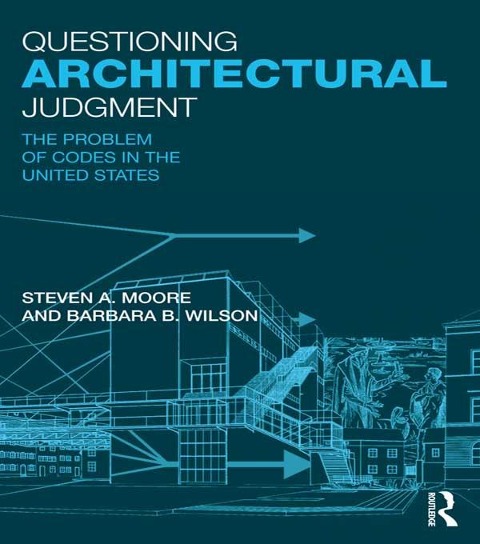
The book shines light on the problem of judgment, particularly in the realm of architectural "technics" and the codes that regulate it. The struggle to define "sustainability," and thus judge architecture through such lenses, is but one dimension of the contemporary problem of judgment. By providing the reader with an inherently interdisciplinary study of a particular discipline-architecture, it brings to the topic lenses that challenge the too frequently unexamined assumptions of the discipline. By situating architecture within a broader cultural field and using case studies to dissect the issues discussed, the book emphasizes that it is not simply a matter of designing better, more efficient, or more stringent codes to guide place-making, but a matter of reconstructing the boundaries of the systems to be coded. The authors are winners of the EDRA Place-Research Award 2014 for their work on the Green Alley Demonstration Project used in the book.
Steven A. Moore is Bartlett Cocke Professor of Architecture and Planning and Director of the Graduate Program in Sustainable Design at the University of Texas at Austin, USA. Barbara Wilson is an Assistant Professor of Planning and Sustainable Design and the Director for the Center of Sustainable Development at the University of Texas at Austin, USA.
General Introduction: Questioning Knowledge and Judgment in Architecture Part 1: Art, Technology and Professionalism Introduction 1. Maintaining Frames: Architecture-as-Art 2. Switching Frames: Architecture-as-Technology 3. Standardization, Justice and the Built Environment Part 2: A Taxonomy of Codes Introduction 4. Frame Analysis as a Practical Tool 5. Tacit Codes in traditional and Modern Building Cultures 6. Sumptuary Codes, Taste, and Distinction in the Built World 7. Economic Codes and the Civic Economy Part 3: Sociotechnical Codes as Both Index and Tool of Change Introduction 8. Social Groups, Technological Frames, and Focal Events 9. Coding Disability: A Case Study of Frame Integration 10. Coding Affordable Housing: A Case Study of Frame Transformation 11. Sociotechnical Coding as Design Glossary References
Dieses eBook wird im PDF-Format geliefert und ist mit einem Adobe Kopierschutz (DRM) versehen. Sie können dieses eBook mit allen Geräten lesen, die das PDF-Format und den Adobe Kopierschutz (DRM) unterstützen.
Zum Beispiel mit den folgenden Geräten:
• tolino Reader
Laden Sie das eBook direkt über den Reader-Shop auf dem tolino herunter oder übertragen Sie das eBook auf Ihren tolino mit einer kostenlosen Software wie beispielsweise Adobe Digital Editions.
• Sony Reader & andere eBook Reader
Laden Sie das eBook direkt über den Reader-Shop herunter oder übertragen Sie das eBook mit der kostenlosen Software Sony READER FOR PC/Mac oder Adobe Digital Editions auf ein Standard-Lesegeräte mit epub- und Adobe DRM-Unterstützung.
• Tablets & Smartphones
Möchten Sie dieses eBook auf Ihrem Smartphone oder Tablet lesen, finden Sie hier unsere kostenlose Lese-App für iPhone/iPad und Android Smartphone/Tablets.
• PC & Mac
Lesen Sie das eBook direkt nach dem Herunterladen mit einer kostenlosen Lesesoftware, beispielsweise Adobe Digital Editions, Sony READER FOR PC/Mac oder direkt über Ihre eBook-Bibliothek in Ihrem Konto unter „Meine eBooks“ - „online lesen“.
Schalten Sie das eBook mit Ihrer persönlichen Adobe ID auf bis zu sechs Geräten gleichzeitig frei.
Bitte beachten Sie, dass die Kindle-Geräte das Format nicht unterstützen und dieses eBook somit nicht auf Kindle-Geräten lesbar ist.