Und dann auf "Zum Home-Bildschirm [+]".

Stöbern
genialokal zum Startbildschirm hinzufügen
Installieren Sie die genialokal App auf Ihrem Startbildschirm für einen schnellen Zugriff und eine komfortable Nutzung.
Installieren Sie die genialokal App auf Ihrem Startbildschirm für einen schnellen Zugriff und eine komfortable Nutzung.
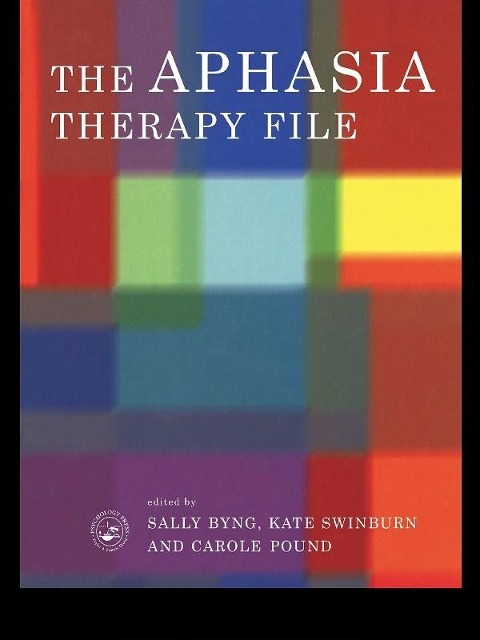
Different from a textbook or academic journal, the File represents a collection of explicit descriptions about therapy interventions written by practitioners themselves. The description of the rationale for the therapy, the intervention itself and evaluation of outcomes are of paramount importance. Each contributor guides the reader through the thinking that they engaged in as they decided what to do, often with considerable frankness about the difficulties involved. The File will be of equal value to experienced practitioners and students alike.
Sally Byng, Carole Pound, Kate Swinburn
Introduction. Section 1. Alternative Forms of Output. Introduction: When There's No Spoken Output. D. Harding, C.Pound, Needs, Function and Measurement: Juggling with Multiple Language Impairment. J. Hunt, Drawing on the Semantic System: The Use of Drawing as a Therapy Medium with a Woman with Severe Expressive Aphasia. R. Lawson, M. Fawcus, Increasing Effective Communication Using a Total Communication Approach. Section 2. Word Retrieval Therapies. Introduction: Therapies for Word Finding Utilising Orthographic Relay Strategies. J. Mortley, Evaluating the Efficacy of an Intensive Strategy Based Therapy Programme for Spelling Impairment. M. White-Thompson, Naming Therapy for an Aphasiac with Fluent Empty Speech. J. Sheriden, A Treatment Programme for an Impairment in Reading Function Words. Section 3. Beyond the Single Word Therapies. Introduction: Therapies Addressing the Impairments in Processing Verbs and Sentences. J. Marshall , Doing Something About Verbs and Sentences: Two Therapy Approaches. A. Greenwood, Early Stages in Treating a Person with Non-fluent Aphasia. J. Marshall, `Who Ends Up With the Fiver?' A Sentence Production Therapy. K. Swinburn, An Informal Example of a Successful Therapy or a Sentence Processing Deficit.
Dieses eBook wird im PDF-Format geliefert und ist mit einem Adobe Kopierschutz (DRM) versehen. Sie können dieses eBook mit allen Geräten lesen, die das PDF-Format und den Adobe Kopierschutz (DRM) unterstützen.
Zum Beispiel mit den folgenden Geräten:
• tolino Reader
Laden Sie das eBook direkt über den Reader-Shop auf dem tolino herunter oder übertragen Sie das eBook auf Ihren tolino mit einer kostenlosen Software wie beispielsweise Adobe Digital Editions.
• Sony Reader & andere eBook Reader
Laden Sie das eBook direkt über den Reader-Shop herunter oder übertragen Sie das eBook mit der kostenlosen Software Sony READER FOR PC/Mac oder Adobe Digital Editions auf ein Standard-Lesegeräte mit epub- und Adobe DRM-Unterstützung.
• Tablets & Smartphones
Möchten Sie dieses eBook auf Ihrem Smartphone oder Tablet lesen, finden Sie hier unsere kostenlose Lese-App für iPhone/iPad und Android Smartphone/Tablets.
• PC & Mac
Lesen Sie das eBook direkt nach dem Herunterladen mit einer kostenlosen Lesesoftware, beispielsweise Adobe Digital Editions, Sony READER FOR PC/Mac oder direkt über Ihre eBook-Bibliothek in Ihrem Konto unter „Meine eBooks“ - „online lesen“.
Schalten Sie das eBook mit Ihrer persönlichen Adobe ID auf bis zu sechs Geräten gleichzeitig frei.
Bitte beachten Sie, dass die Kindle-Geräte das Format nicht unterstützen und dieses eBook somit nicht auf Kindle-Geräten lesbar ist.