Und dann auf "Zum Home-Bildschirm [+]".

Stöbern
genialokal zum Startbildschirm hinzufügen
Installieren Sie die genialokal App auf Ihrem Startbildschirm für einen schnellen Zugriff und eine komfortable Nutzung.
Installieren Sie die genialokal App auf Ihrem Startbildschirm für einen schnellen Zugriff und eine komfortable Nutzung.
Ihr gewünschter Artikel ist in 0 Buchhandlungen vorrätig - wählen Sie hier eine Buchhandlung in Ihrer Nähe aus:

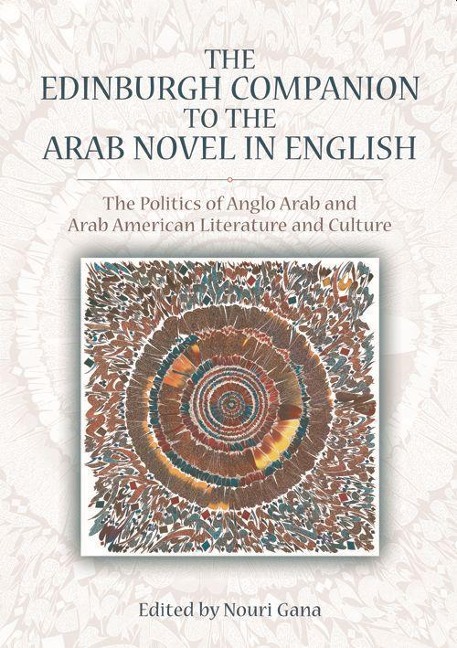
Opening up the field of diasporic Anglo-Arab literature to critical debate, this reference companion spans from the first Arab novel in 1911 right up to the present day, focusing on the resurgence of the Anglo-Arabic novel in the last 20 years. The combination of classroom-friendly essays, to guide students through the set novels on Anglo-Arab literature courses, and sophisticated critical analyses of the major Anglo-Arab novelists for advanced scholars make this the ultimate, one-stop resource. You'll find chapters on authors such as Ameen Rihani, Ahdaf Soueif, Waguih Ghali, Etel Adnan and Diana Abu-Jaber, and interviews with Laila Lalami, Hisham Matar and Fadia Faqir.
Nouri Gana is Associate Professor of Comparative Literature & Near Eastern Languages and Cultures at UCLA. He is the author of Signifying Loss: Toward a Poetics of Narrative Mourning (2011) and editor of The Making of the Tunisian Revolution: Contexts, Architects, Prospects (EUP, 2013) and The Edinburgh Companion to the Arab Novel in English (Edinburgh University Press, 2013).
Notes on the Contributors; Introduction: The Intellectual History and Contemporary Significance of the Arab Novel in English, Nouri Gana; Part I: Constellations: Modernity, Empire and Postcoloniality; 1. The Rise of the Arab American Novel: Ameen Rihani's The Book of Khalid, Wail S. Hassan; 2. Beyond Orientalism: Khalid, the Secular City, and the Transcultural Self, Geoffrey Nash; 3. The Incestuous (Post) Colonial: Soueif's Map of Love and the Second Birth of the Egyptian Novel in English, Shaden M. Tageldin; 4. Drinking, Gambling and Making Merry: Waguih Ghali's Search for Cosmopolitan Agency, Deborah A. Starr; 5. Mobile Belonging? The Global 'Given' in the Work of Etel Adnan, Mary N. Layoun; 6. Burning, Memory and Postcolonial Agency in Laila Lalami's Hope and other Dangerous Pursuits, Ahmed Idrissi Alami; 7. Zenga Zenga and Bunga Bunga: The Novels of Hisham Matar and a Critique of Gadhafi's Libya, Christopher Micklethwait; Part II: Force-fields: Ethnic Ties and Transnational Solidarities; 8. In Search of Andalusia: Reconfiguring Arabness in Diana Abu-Jaber's Crescent, Nouri Gana; 9. Europe and Its Others: The Novels of Jamal Mahjoub, Jopi Nyman; 10. Space, Embodiment, Identity and Resistance in the Novels of Fadia Faqir, Lindsey Moore; 11. The Arab Canadian Novel and the Rise of Rawi Hage, F. Elizabeth Dahab; 12. The Arab Australian Novel: Situating Diasporic and Multicultural Literature, Saadi Nikro; 13. Identity, Transformation and the Anglophone Arab Novel, Maysa Abou-Youssef Hayward; 14. Rabih Alameddine's I, the Divine: A Druze Novel as World Literature?, Michelle Hartman; Part III: Prospects/Challenges: Authority, Pedagogy and the Market Industry; 15. Invisible Ethnic: Mona Simpson and the Space of the Ethnic Literature Market, Mara Naaman; 16. The Challenges of Orientalism: Teaching about Islam and Masculinity in Leila Aboulela's The Translator, Brendan Smyth; 17. Teaching from Cover to Cover: Arab Women's Novels in the Classroom, Heather Hoyt; 18. Perils and Pitfalls of Marketing the Arab Novel in English, Samia Serageldin; Bibliography; Index.