Und dann auf "Zum Home-Bildschirm [+]".

Stöbern
genialokal zum Startbildschirm hinzufügen
Installieren Sie die genialokal App auf Ihrem Startbildschirm für einen schnellen Zugriff und eine komfortable Nutzung.
Installieren Sie die genialokal App auf Ihrem Startbildschirm für einen schnellen Zugriff und eine komfortable Nutzung.

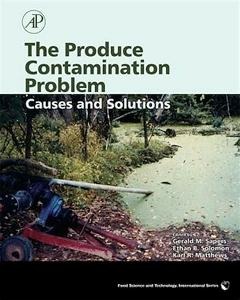
Understanding the causes and contributing factors leading to outbreaks of food-borne illness associated with contamination of fresh produce continues to be a worldwide challenge for everyone from the growers of fresh-cut produce through the entire production and delivery process. Additionally researchers both at universities and in government agencies are facing an increased challenge to develop means of preventing these foodborne illness occurrences. The premise of this book is that when human pathogen contamination of fresh produce occurs, it is extremely difficult to reduce pathogen levels sufficiently to assure microbiological safety with the currently available technologies. A wiser strategy would be to avoid crop production conditions that result in microbial contamination to start.These critical, problem-oriented chapters have been written by researchers active in the areas of food safety and microbial contamination during production, harvesting, packing and fresh-cut processing of horticultural crops, and were designed to provide methods of contamination avoidance. Coverage includes policy and practices in the US, Mexico and Central America, Europe, and Japan.
- Addresses food-borne contaminations from a prevention view, providing proactive solutions to the problems- Covers core sources of contamination and methodologies for identifying those sources- Includes best practice and regulatory information
IntroductionChapter 1. Scope of the Produce Contamination ProblemGerald Sapers and Michael DoyleChapter 2. Microbial Attachment and Limitations of Decontamination MethodologiesEthan B. Solomon and Manan SharmaSources of ContaminationChapter 3. Identification of the Source of ContaminationJeff Farrar and Jack GuzewichChapter 4. Manure ManagementPatricia D. MillnerChapter 5. Water QualityCharles P. Gerba and Christopher Y. ChoiChapter 6. Sapro-Zoonotic Risks Posed by Wild Birds in Agricultural LandscapesLarry ClarkChapter 7. Produce Contamination by other WildlifeDaniel Rice and Thomas E. BesserCommodities Associated with Major Outbreaks and RecallsChapter 8. Leafy VegetablesKarl R. MatthewsChapter 9. MelonsAlejandro Castillo, Miguel A. Martínez-Téllez, and M. Ofelia Rodríguez-GarcíaChapter 10. Raw Tomatoes and SalmonellaJerry A. BartzChapter 11. Tree fruits and Nuts: Outbreaks, Contamination Sources, Prevention and RemediationSusanne E. KellerChapter 12. Berry Contamination: Outbreaks and Contamination IssuesKalmia E. Kniel and Adrienne E.H. ShearerAvoidance of ContaminationChapter 13. Produce contamination issues in Mexico and Central AmericaJorge H. Siller-Cepeda, Cristobal Chaidez-Quiroz, and Nohelia Castro-del CampoChapter 14. Regulatory Issues in Europe Regarding Fresh Fruit and Vegetable SafetyGro S. Johannessen and Kofitsyo S. CudjoeChapter 15. Regulatory Issues in Japan Regarding Produce SafetyKenji Isshiki, Md. Latiful Bari, Takeo Shiina, and.Shinichi KawamotoTechnology for Reduction of Human Pathogens in Fresh ProduceChapter 16. Disinfection of Contaminated Produce with Conventional Washing and Sanitizing TechnologyGerald M. SapersChapter 17. Advanced Technologies for Detection and Elimination of PathogensBrendon Niemira and Howard Q. ZhangChapter 18. Conclusions and RecommendationsDouglas Powell, Casey J. Jacob, and Benjamin J. Chapman