Und dann auf "Zum Home-Bildschirm [+]".

Stöbern
genialokal zum Startbildschirm hinzufügen
Installieren Sie die genialokal App auf Ihrem Startbildschirm für einen schnellen Zugriff und eine komfortable Nutzung.
Installieren Sie die genialokal App auf Ihrem Startbildschirm für einen schnellen Zugriff und eine komfortable Nutzung.
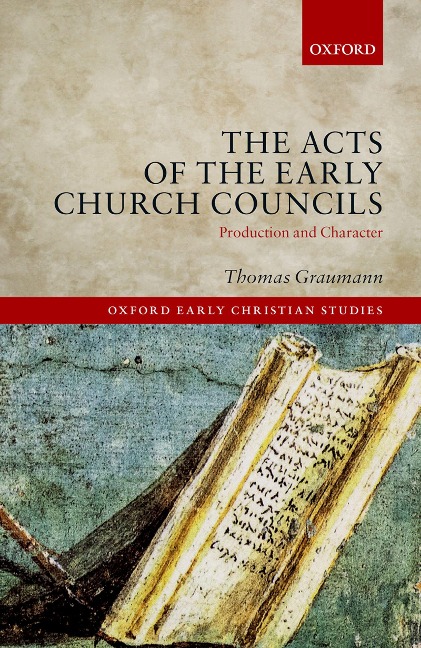
The Acts of Early Church Councils Acts examines the acts of ancient church councils as the objects of textual practices, in their editorial shaping, and in their material conditions. It traces the processes of their production, starting from the recording of spoken interventions during a meeting, to the preparation of minutes of individual sessions, to their collection into larger units, their storage and the earliest attempts at their dissemination. Thomas Graumann demonstrates that the preparation of 'paperwork' is central for the bishops' self-presentation and the projection of prevailing conciliar ideologies. The councils' aspirations to legitimacy and authority before real and imagined audiences of the wider church and the empire, and for posterity, fundamentally reside in the relevant textual and bureaucratic processes. Council leaders and administrators also scrutinized and inspected documents and records of previous occasions. From the evidence of such examinations the volume further reconstructs the textual and physical characteristics of ancient conciliar documents and explores the criteria of their assessment. Reading strategies prompted by the features observed from material textual objects handled in council, and the opportunities and limits afforded by the techniques of 'writing-up' conciliar business are analysed. Papyrological evidence and contemporary legal regulations are used to contextualise these efforts. The book thus offers a unique assessment of the production processes, character and the material conditions of council acts that must be the foundation for any historical and theological research into the councils of the ancient church.
Thomas Graumann is Reader in Ancient Christian History and Patristic Studies at the University of Cambridge and Professor for Patristics at the Humboldt University in Berlin.
- Abbreviations and Conventions - Introduction - Part I: The Quest for Documentation - 1: The Earliest Church Councils: A Documentary History - 2: 'Council Acts' and the Variations of Conciliar Documentation and Recording Patterns - 3: The Conference of Carthage (AD 411): An Imperial Model Case - Part II: 'Reading' and 'Using' Acts - 4: Examining the Records: Two Inquiries into Eutyches' Trial (AD 449) - 5: Original Acts and Documents at Chalcedon (451) - 6: 'Authentic' Documents: Visual Features, Annotation, and Administrative Handling - 7: Assessing and Performing Authenticity: A View from Later Councils - Part III: 'Writing' Acts: The Council's Secretariat in Action - 8: All the President's Men: Administrative Aides and the 'Official' Secretariat - 9: The Stenographic Protocol: Professionalism, Conventions, and Challenges - 10: 'Transferring' Shorthand Notes to Long-hand Transcript - Part IV: The Written Record - 11: The Hypomnemata: Production and Qualities - 12: Documents Incorporated: Incorporating Documents - 13: Abstracting and Summary Records - 14: Collecting and Appending Signatures - 15: The Structure and Elements of the 'Ideal' Session-record and the Role of 'Editing' - Part V: Files, Collections, Editions: Dossierization and Dissemination - 16: Council Acts Gathered and Organised: Minutes, Case Files and Collected Records - 17: Ancillary Documentation and the Beginnings of Dossierization - 18: The Preparation of 'Editions' and the Dissemination of Documentation - Conclusion - Bibliography
Dieses eBook wird im PDF-Format geliefert und ist mit einem Adobe Kopierschutz (DRM) versehen. Sie können dieses eBook mit allen Geräten lesen, die das PDF-Format und den Adobe Kopierschutz (DRM) unterstützen.
Zum Beispiel mit den folgenden Geräten:
• tolino Reader
Laden Sie das eBook direkt über den Reader-Shop auf dem tolino herunter oder übertragen Sie das eBook auf Ihren tolino mit einer kostenlosen Software wie beispielsweise Adobe Digital Editions.
• Sony Reader & andere eBook Reader
Laden Sie das eBook direkt über den Reader-Shop herunter oder übertragen Sie das eBook mit der kostenlosen Software Sony READER FOR PC/Mac oder Adobe Digital Editions auf ein Standard-Lesegeräte mit epub- und Adobe DRM-Unterstützung.
• Tablets & Smartphones
Möchten Sie dieses eBook auf Ihrem Smartphone oder Tablet lesen, finden Sie hier unsere kostenlose Lese-App für iPhone/iPad und Android Smartphone/Tablets.
• PC & Mac
Lesen Sie das eBook direkt nach dem Herunterladen mit einer kostenlosen Lesesoftware, beispielsweise Adobe Digital Editions, Sony READER FOR PC/Mac oder direkt über Ihre eBook-Bibliothek in Ihrem Konto unter „Meine eBooks“ - „online lesen“.
Schalten Sie das eBook mit Ihrer persönlichen Adobe ID auf bis zu sechs Geräten gleichzeitig frei.
Bitte beachten Sie, dass die Kindle-Geräte das Format nicht unterstützen und dieses eBook somit nicht auf Kindle-Geräten lesbar ist.