Und dann auf "Zum Home-Bildschirm [+]".

Stöbern
genialokal zum Startbildschirm hinzufügen
Installieren Sie die genialokal App auf Ihrem Startbildschirm für einen schnellen Zugriff und eine komfortable Nutzung.
Installieren Sie die genialokal App auf Ihrem Startbildschirm für einen schnellen Zugriff und eine komfortable Nutzung.

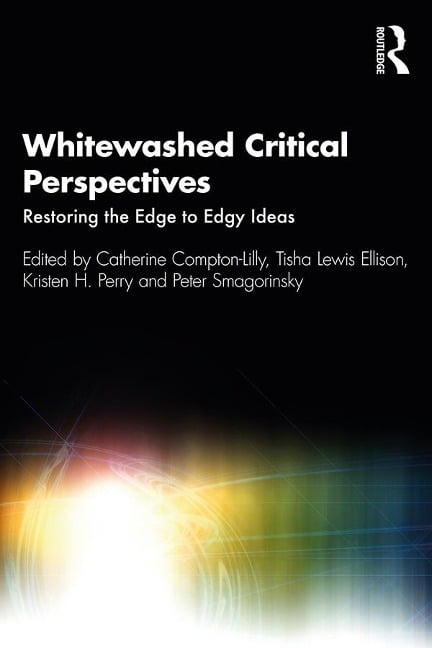
This volume examines revolutionary constructs in literacy education and demonstrates how they have been gentrified, whitewashed, and appropriated, losing their revolutionary edge so as to become palatable for the mainstream. Written by top scholars in literacy education, chapters cover key concepts that were originally conceived as radical theories to upset the status quo-including Third Space, Funds of Knowledge, Culturally Relevant Pedagogies, and more. Each chapter addresses how the core theory was culturally appropriated and de-fanged to support rather than take down racial and societal hierarchies. Critiquing the harmful impact of watering down these theories, the contributors offer ways to restore the edge to these once groundbreaking ideas, reject racist and assimilationist trends, and support the original vision behind these liberatory theories. In so doing, this volume adopts a truly radical, critical stance that is essential for researchers, scholars, and students in literacy education.
Catherine Compton-Lilly is the John C. Hungerpiller Chair in the College of Education at the University of South Carolina, USA. Tisha Lewis Ellison is Associate Professor in the Department of Language and Literacy Education at The University of Georgia in Athens, USA. Kristen H. Perry is Professor of Literacy Education and Departmental Director of Graduate Studies at the University of Kentucky, USA. Peter Smagorinsky is Distinguished Research Professor Emeritus at The University of Georgia, USA, and Distinguished Visiting Scholar at the University of Guadalajara, Mexico.
Acknowledgements Contributor Biographies Foreword by Richard Milner Chapter 1: Introduction Catherine Compton-Lilly, Tisha Lewis Ellison, Kristen H. Perry, & Peter Smagorinsky Chapter 2: Third and Hybrid Spaces in Literacy Scholarship and Practice: They are Different, and their Differences Matter Peter Smagorinsky Chapter 3: What the FOK?: An Illustrative Case of How Whitewashing Occurs in Higher Education Kristen H. Perry Chapter 4: Whitewashing as a Scholarly Liability: Racism and Inequity in Family Literacy Scholarship Catherine Compton-Lilly Chapter 5: "Stop Whitewashing our Stories": Using Counter-Stories to Dismantle Racist and Deficit Perspectives in BIPOC Narratives Tisha Lewis Ellison Chapter 6: Freirean Concepts: Diluted and Damaged Rocío García-Carrión, Itxaso Tellado, & Maria Padrós Chapter 7: Put Some Respect on the Theory: Confronting Distortions of Culturally Relevant Pedagogy Gloria Ladson-Billings & Adrienne Dixson Chapter 8: Dialoguing and Personhood Stephanie Power-Carter and David Bloome Afterword by Valerie Kinloch