Und dann auf "Zum Home-Bildschirm [+]".

Stöbern
genialokal zum Startbildschirm hinzufügen
Installieren Sie die genialokal App auf Ihrem Startbildschirm für einen schnellen Zugriff und eine komfortable Nutzung.
Installieren Sie die genialokal App auf Ihrem Startbildschirm für einen schnellen Zugriff und eine komfortable Nutzung.
Ihr gewünschter Artikel ist in 0 Buchhandlungen vorrätig - wählen Sie hier eine Buchhandlung in Ihrer Nähe aus:

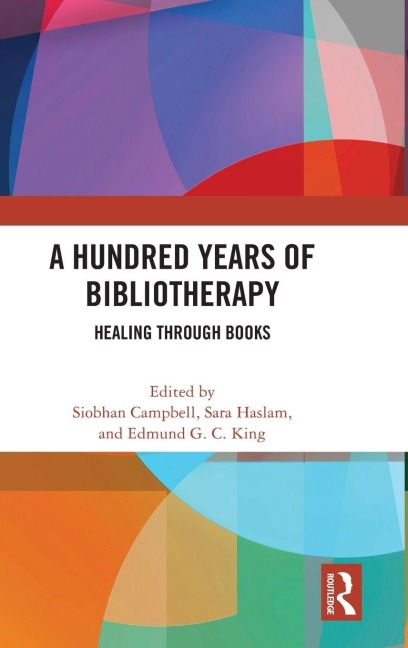
WWI gave new and vital impetus to the ancient idea that books could heal. This collection provides a targeted survey of 100 years of historical and contemporary understandings and practices of 'the book as cure'. It is an invaluable resource for scholars of literary studies, book history, and the medical humanities.
Siobhan Campbell is Senior Lecturer in the School of Arts at The Open University, UK. She researches the theory and applications of social literary practice. She has developed creative writing projects to be used therapeutically and for social reconstruction in pressurised environments, with partners like Combat Stress UK, NHS Trusts, NGOs, UNDP and third-sector organisations. Her publications include The Expressive Life Writing Handbook (with Meg Jensen; 2017). Sara Haslam is Professor of Twentieth-Century Literature at the Open University, UK. A scholar of modernism and First World War literature, her publications include 'Reading, Trauma and Literary Caregiving 1914-1918: Helen Mary Gaskell and the War Library' Journal of Medical Humanities (2018), and Life Writing (with Derek Neale; 2008). Edmund G. C. King is Senior Lecturer in English Literature at The Open University, UK. A book historian with a particular focus on the history of reading, he is most recently the co-editor of Memorialising Shakespeare: Commemoration and Collective Identity, 1916-2016 (with Monika Smialkowska; 2021).
Healing through Books: An Introduction; 1. The Legacy of Nineteenth-Century Therapeutic Reading in the First World War Hospital; 2. Galsworthy's First World War Writing as Self-Care; 3. The American Library Association, 'Bibliotherapy' and the First World War ; 4. Autograph Books as Alleviation in British First World War Hospitals: A Case Study; 5. Print as Caregiving in Wartime: The Role of Australian First World War Trench and Hospital Magazines; 6. 'Return to Normalcy': American Librarians and Bibliotherapy in the Aftermath of the First World War; 7. Can There Be a Science of Bibliotherapy? Imagining Bibliotherapy and Its Uses in a Modern Hospital; 8. The Curative Value of Reading: Hospital Libraries and Literary Therapeutics in Britain, 1919-1946; 9. The Bibliotherapy Novel: Representations of Literary Caregiving and the Crisis of Print Culture, 1919-2019; 10.'I liked them a lot...but I feel like I don't know them fully?': Implications of Recent Research in Immersion and Engagement for Digital Therapeutic Reading;11. Trauma and Literature: Current Bibliotherapeutic Practices and Literary Trauma Studies in Sweden; 12. Hoping Out Loud: Creative Bibliotherapy and Wellbeing Strategies; Index