Und dann auf "Zum Home-Bildschirm [+]".

Stöbern
genialokal zum Startbildschirm hinzufügen
Installieren Sie die genialokal App auf Ihrem Startbildschirm für einen schnellen Zugriff und eine komfortable Nutzung.
Installieren Sie die genialokal App auf Ihrem Startbildschirm für einen schnellen Zugriff und eine komfortable Nutzung.
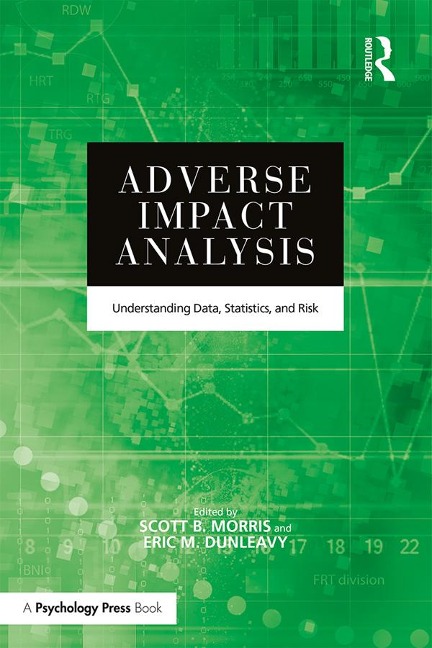
Compliance with federal equal employment opportunity regulations, including civil rights laws and affirmative action requirements, requires collection and analysis of data on disparities in employment outcomes, often referred to as adverse impact. While most human resources (HR) practitioners are familiar with basic adverse impact analysis, the courts and regulatory agencies are increasingly relying on more sophisticated methods to assess disparities. Employment data are often complicated, and can include a broad array of employment actions (e.g., selection, pay, promotion, termination), as well as data that span multiple protected groups, settings, and points in time. In the era of "big data," the HR analyst often has access to larger and more complex data sets relevant to employment disparities. Consequently, an informed HR practitioner needs a richer understanding of the issues and methods for conducting disparity analyses. This book brings together the diverse literature on disparity analysis, spanning work from statistics, industrial/organizational psychology, human resource management, labor economics, and law, to provide a comprehensive and integrated summary of current best practices in the field. Throughout, the description of methods is grounded in the legal context and current trends in employment litigation and the practices of federal regulatory agencies. The book provides guidance on all phases of disparity analysis, including: - How to structure diverse and complex employment data for disparity analysis - How to conduct both basic and advanced statistical analyses on employment outcomes related to employee selection, promotion, compensation, termination, and other employment outcomes - How to interpret results in terms of both practical and statistical significance - Common practical challenges and pitfalls in disparity analysis and strategies to deal with these issues
Scott B. Morris, Ph.D., is a professor of industrial/organizational psychology at Illinois Institute of Technology. Much of his work focuses on applied data analysis issues in personnel selection, including adverse impact analysis, test bias analysis, and test validation. Eric M. Dunleavy, Ph.D., is the director of the Personnel Selection and Litigation Support Services department at DCI Consulting Group. His primary areas of expertise are in employee selection, validation research, adverse impact analyses, and other EEO analytics.
Section 1. Introduction 1.An Introduction to Adverse Impact Measurement in the EEO Context Eric M. Dunleavy and Scott B. Morris 2. Understanding Employment Data used for EEO Disparity Analyses David P. Lamoreaux and Matthew R. Thompson Section 2. Analyzing Employee Selection Decisions 3. Structuring a Traditional EEO Adverse Impact Analysis: The 2×2 Table David Cohen, David S. Fortney, and Emilee Tison 4. Statistical Significance Testing in Adverse Impact Analysis Scott B. Morris 5. Measuring Practical Significance in Adverse Impact Analysis Fred Oswald, Eric M. Dunleavy, and Amy Shaw 6. When and Why do Different Indices Lead to Different Conclusions about Adverse Impact Kevin Murphy and Rick Jacobs 7. Workforce Composition and Utilization Analyzes Dan Kuang and Marife Ramos 8. Many 2×2 Tables: Understanding Multiple Events in Adverse Impact Analyses Scott B. Morris, Eric M. Dunleavy, and Mirinae Lee Section 3. Analyzing Other Employment Outcomes 9. Proper Methods for Statistical Analysis of Promotions Bernard Siskin and Nicholas Schmidt 10. Analyzing EEO Disparities in Pay: A Primer on Structuring Analyses Dennis Doverspike, Winfred Arthur, Jr., and Catalina Flores 11. Analyzing EEO Disparities in Pay: Guidance in the Application of Regression Analyses Kayo Sady and Michael Aamodt 12. Analyzing Reduction in Force and Other Termination Decisions Donald R. Deere and James E. Pearce Section 4. Perspectives on Adverse Impact Analysis 13. Using Your Data Wisely: Proactive Monitoring of Employment Disparities Kathleen K. Lundquist, Toni S. Locklear, and Michael Lippstreu 14.Thoughts from an EEO Agency Perspective Richard Tonowski 15. Addressing the Ever Increasing Standards for Statistical Evidence: A Plaintiff Attorney's Perspective Cyrus Mehri and Michael Lieder 16. Disparate Impact, Trial by Statistics: Thoughts from a Defense Attorney's Perspective David Bennet Ross and Gina Merrill 17. Case Law Interpretations of Statistical Evidence Regarding Adverse Impact Arthur Gutman 18. Some Conclusions and Emerging Issues in Adverse Impact Measurement Eric M. Dunleavy amd Scott B. Morris
Dieses eBook wird im PDF-Format geliefert und ist mit einem Adobe Kopierschutz (DRM) versehen. Sie können dieses eBook mit allen Geräten lesen, die das PDF-Format und den Adobe Kopierschutz (DRM) unterstützen.
Zum Beispiel mit den folgenden Geräten:
• tolino Reader
Laden Sie das eBook direkt über den Reader-Shop auf dem tolino herunter oder übertragen Sie das eBook auf Ihren tolino mit einer kostenlosen Software wie beispielsweise Adobe Digital Editions.
• Sony Reader & andere eBook Reader
Laden Sie das eBook direkt über den Reader-Shop herunter oder übertragen Sie das eBook mit der kostenlosen Software Sony READER FOR PC/Mac oder Adobe Digital Editions auf ein Standard-Lesegeräte mit epub- und Adobe DRM-Unterstützung.
• Tablets & Smartphones
Möchten Sie dieses eBook auf Ihrem Smartphone oder Tablet lesen, finden Sie hier unsere kostenlose Lese-App für iPhone/iPad und Android Smartphone/Tablets.
• PC & Mac
Lesen Sie das eBook direkt nach dem Herunterladen mit einer kostenlosen Lesesoftware, beispielsweise Adobe Digital Editions, Sony READER FOR PC/Mac oder direkt über Ihre eBook-Bibliothek in Ihrem Konto unter „Meine eBooks“ - „online lesen“.
Schalten Sie das eBook mit Ihrer persönlichen Adobe ID auf bis zu sechs Geräten gleichzeitig frei.
Bitte beachten Sie, dass die Kindle-Geräte das Format nicht unterstützen und dieses eBook somit nicht auf Kindle-Geräten lesbar ist.