Und dann auf "Zum Home-Bildschirm [+]".

Stöbern
genialokal zum Startbildschirm hinzufügen
Installieren Sie die genialokal App auf Ihrem Startbildschirm für einen schnellen Zugriff und eine komfortable Nutzung.
Installieren Sie die genialokal App auf Ihrem Startbildschirm für einen schnellen Zugriff und eine komfortable Nutzung.
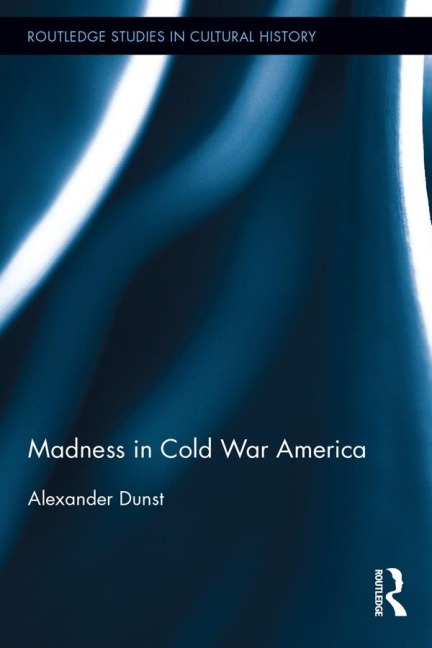
This book tells the story of how madness came to play a prominent part in America's political and cultural debates. It argues that metaphors of madness rise to unprecedented popularity amidst the domestic struggles of the early Cold War and become a pre-eminent way of understanding the relationship between politics and culture in the United States. In linking the individual psyche to society, psychopathology contributes to issues central to post-World War II society: a dramatic extension of state power, the fate of the individual in bureaucratic society, the political function of emotions, and the limits to admissible dissent. Such vocabulary may accuse opponents of being crazy. Yet at stake is a fundamental error of judgment, for which madness provides welcome metaphors across US diplomacy and psychiatry, social movements and criticism, literature and film. In the process, major parties and whole historical eras, literary movements and social groups are declared insane. Reacting against violence at home and war abroad, countercultural authors oppose a sane madness to irrational reason-romanticizing the wisdom of the schizophrenic and paranoia's superior insight. As the Sixties give way to a plurality of lifestyles an alternative vision arrives: of a madness now become so widespread and ordinary that it may, finally, escape pathology.
Alexander Dunst is Assistant Professor of American Studies at the University of Paderborn.
1. Introduction: Cold War Madness 2. The Pathologies of Dissent: Constructing the Cold War Psyche 3. Practical Cures: From Radical Psychiatry to Self Help 4. A Sane Madness?: Psychosis and Cold War Countercultures 5. Paranoid Narrative: Writing the Secret History of the Cold War 6. A Schizophrenic Postmodernity: Literary Studies and the Politics of Critique
Dieses eBook wird im PDF-Format geliefert und ist mit einem Adobe Kopierschutz (DRM) versehen. Sie können dieses eBook mit allen Geräten lesen, die das PDF-Format und den Adobe Kopierschutz (DRM) unterstützen.
Zum Beispiel mit den folgenden Geräten:
• tolino Reader
Laden Sie das eBook direkt über den Reader-Shop auf dem tolino herunter oder übertragen Sie das eBook auf Ihren tolino mit einer kostenlosen Software wie beispielsweise Adobe Digital Editions.
• Sony Reader & andere eBook Reader
Laden Sie das eBook direkt über den Reader-Shop herunter oder übertragen Sie das eBook mit der kostenlosen Software Sony READER FOR PC/Mac oder Adobe Digital Editions auf ein Standard-Lesegeräte mit epub- und Adobe DRM-Unterstützung.
• Tablets & Smartphones
Möchten Sie dieses eBook auf Ihrem Smartphone oder Tablet lesen, finden Sie hier unsere kostenlose Lese-App für iPhone/iPad und Android Smartphone/Tablets.
• PC & Mac
Lesen Sie das eBook direkt nach dem Herunterladen mit einer kostenlosen Lesesoftware, beispielsweise Adobe Digital Editions, Sony READER FOR PC/Mac oder direkt über Ihre eBook-Bibliothek in Ihrem Konto unter „Meine eBooks“ - „online lesen“.
Schalten Sie das eBook mit Ihrer persönlichen Adobe ID auf bis zu sechs Geräten gleichzeitig frei.
Bitte beachten Sie, dass die Kindle-Geräte das Format nicht unterstützen und dieses eBook somit nicht auf Kindle-Geräten lesbar ist.