Und dann auf "Zum Home-Bildschirm [+]".

Stöbern
genialokal zum Startbildschirm hinzufügen
Installieren Sie die genialokal App auf Ihrem Startbildschirm für einen schnellen Zugriff und eine komfortable Nutzung.
Installieren Sie die genialokal App auf Ihrem Startbildschirm für einen schnellen Zugriff und eine komfortable Nutzung.

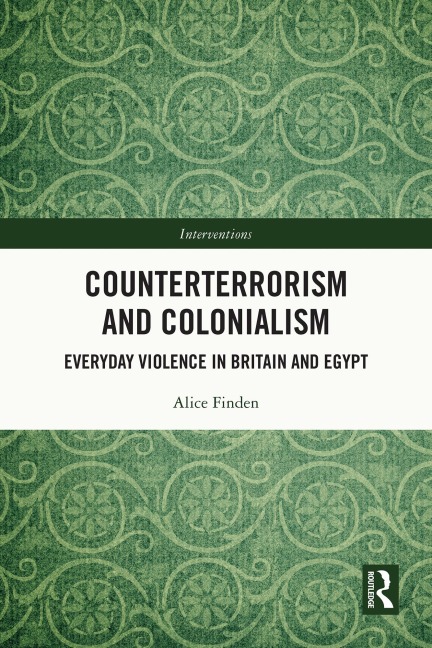
This book uses feminist and postcolonial approaches to archival research and interviews to interrogate the persistence of colonial logics in contemporary counterterrorism practice, exposing how forms of state violence are normalised and legitimised. The book investigates the historical development of preventive tools through the discursive imagery of vulnerability, morality and extremism that characterise contemporary counterterrorism and counter-violent extremism in Britain and Egypt. In so doing the book argues that counterterror tools are based upon a colonial hierarchy of humanity that legitimises more violent treatment for racialised, classed and gendered subjects. This volume will appeal to scholars and students of critical terrorism studies, socio-legal studies and criminology. It will also fit within sociology and critical theory courses on postcolonialism and gender studies as well as courses on colonialism, feminist histories and critical legal history, international politics, international relations, and Middle Eastern politics.
Alice Finden is Assistant Professor of International Politics at Durham University. She has published with the Cambridge Review of International Affairs, Critical Studies on Terrorism, Feminist Review and the Australian Feminist Law Journal. She is a co-editor of Methodologies in Critical Terrorism Studies: Gaps and Interdisciplinary Perspectives (Routledge 2024).
List of Figures Acknowledgements Introduction: The Colonial Rule of Law and the Everyday Part I Colonial Logics and Hierarchical Governance 1. Colonial Anxiety, 'Rough Justice', and the Production of 'Extremism' 2. Legal 'Fact' and Literary 'Fiction': Narrating the 'Collective Threat' of the Countryside through Dinshaway 3. Stretching Welfarism to Colonial Spaces: Sex, Hygiene and Feminism Part II Postcolonial Patterns of Governance 4. Ambiguous Governance and an Abundance of Rules in Postcolonial Egypt 5. Pre-criminal Governance and Hierarchies of Acceptance in Postcolonial Britain Conclusion: Continuities of Violence and a Feminist Praxis of Hope