Und dann auf "Zum Home-Bildschirm [+]".

Stöbern
genialokal zum Startbildschirm hinzufügen
Installieren Sie die genialokal App auf Ihrem Startbildschirm für einen schnellen Zugriff und eine komfortable Nutzung.
Installieren Sie die genialokal App auf Ihrem Startbildschirm für einen schnellen Zugriff und eine komfortable Nutzung.
Ihr gewünschter Artikel ist in 0 Buchhandlungen vorrätig - wählen Sie hier eine Buchhandlung in Ihrer Nähe aus:

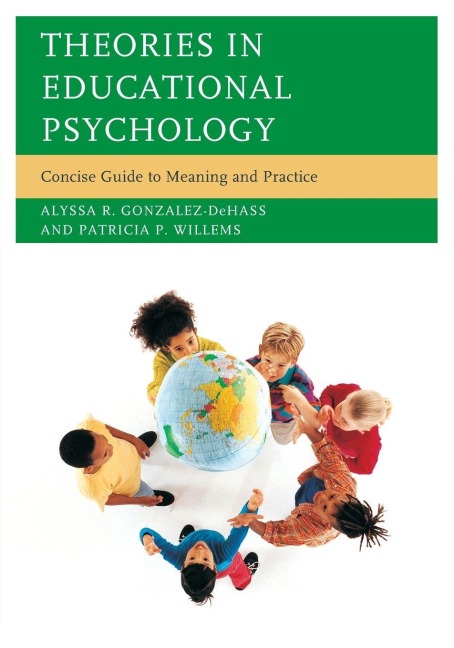
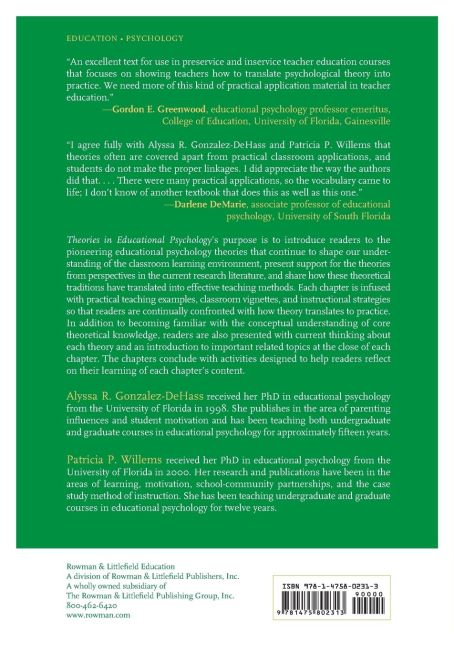
Theories in Educational Psychology’s purpose is to introduce readers to the pioneering educational psychology theories that continue to shape our understanding of the classroom learning environment, present support for the theories from perspectives in the current research literature, and share how these theoretical traditions have translated into effective teaching methods.
Alyssa R. Gonzalez-DeHass, Patricia P. Willems
Chapter 1: Introductory Chapter Unit: Cognitive Development Chapter 2: Jean Piaget Chapter 3: Lev Vygotsky Unit: Social & Moral Development Chapter 4: Erik Erikson Chapter 5: Lawrence Kohlberg Unit: Behaviorism Chapter 6: Ivan Pavlov Chapter 7: B.F. Skinner Unit: Cognitive & Social Cognitive Theories Chapter 8: Albert Bandura Chapter 9: Richard Atkinson & Richard Shiffrin Unit: Motivation Chapter 10: Abraham Maslow