Und dann auf "Zum Home-Bildschirm [+]".

Stöbern
genialokal zum Startbildschirm hinzufügen
Installieren Sie die genialokal App auf Ihrem Startbildschirm für einen schnellen Zugriff und eine komfortable Nutzung.
Installieren Sie die genialokal App auf Ihrem Startbildschirm für einen schnellen Zugriff und eine komfortable Nutzung.
Ihr gewünschter Artikel ist in 0 Buchhandlungen vorrätig - wählen Sie hier eine Buchhandlung in Ihrer Nähe aus:

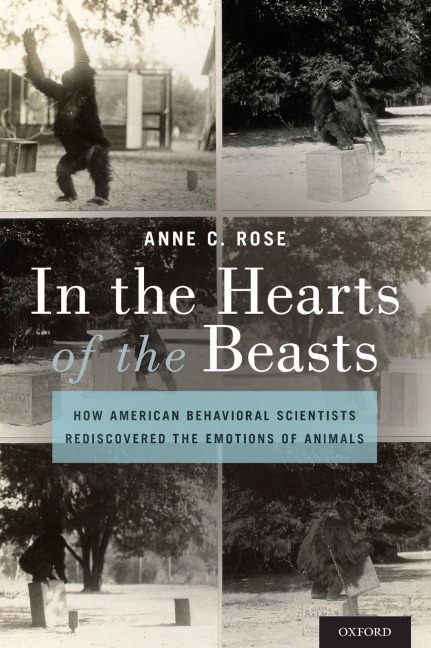
Animals cannot use words to explain whether they feel emotions, and scientific opinion on the subject has been divided. Charles Darwin believed animals and humans share a common core of fear, anger, and affection. Today most researchers agree that animals experience comfort or pain. Around 1900 in the United States, however, where intelligence was the dominant interest in the lab and field, animal emotion began as an accidental question. Organisms ranging from insects to primates, already used to test learning, displayed appetites and aversions that pushed psychologists and biologists in new scientific directions. The Americans were committed empiricists, and the routine of devising experiments, observing, and reflecting permitted them to change their minds and encouraged them to do so. By 1980, the emotional behavior of predatory ants, fearful rats, curious raccoons, resourceful bats, and shy apes was part of American science. In this open-ended environment, the scientists' personal lives--their families, trips abroad, and public service--also affected their professional labor. The Americans kept up with the latest intellectual trends in genetics, evolution, and ethology, and they sometimes pioneered them. But there is a bottom-up story to be told about the scientific consequences of animals and humans brought together in the pursuit of knowledge. The history of the American science of animal emotions reveals the ability of animals to teach and scientists to learn.
Anne C. Rose is Distinguished Professor Emerita of History and Religious Studies at Penn State University, where she taught from 1991 to 2018. She earned an AB at Cornell University and a PhD at Yale University.
- Introduction: Surprising Glimpses into Animal Hearts - 1. Conversations with the Animals - Life Under the Microscope - Professional Observers - Random Feelings - 2. Animal Appetites Unleashed: The Great War - Out of the Cage - Pugnacity and Other Emotions - Why Do They Run? - 3. The Family Passion - Copulation - The Family Business - Sexless Societies - 4. The Rediscovery of Pain - Doing Harm and Detecting Pain - Traveling a Disordered World - In Praise of Nature - 5. Animal Emotions in the Shadows: A War Like No Other - Genes and Organisms - Scientists at a Safe Distance - In the Kingdom of the Beasts - 6. The Animal Mind Reinvented - The Animal Found - American Empiricism Forgotten - The Emotional Animal - Appendix: Biographical Notes - Bibliographic Notes