Und dann auf "Zum Home-Bildschirm [+]".

Stöbern
genialokal zum Startbildschirm hinzufügen
Installieren Sie die genialokal App auf Ihrem Startbildschirm für einen schnellen Zugriff und eine komfortable Nutzung.
Installieren Sie die genialokal App auf Ihrem Startbildschirm für einen schnellen Zugriff und eine komfortable Nutzung.
Ihr gewünschter Artikel ist in 0 Buchhandlungen vorrätig - wählen Sie hier eine Buchhandlung in Ihrer Nähe aus:

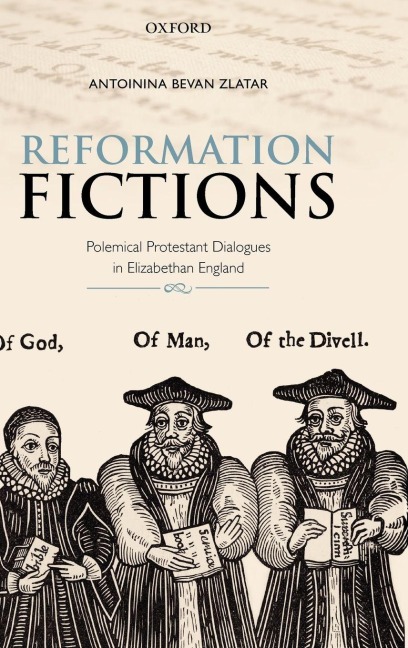
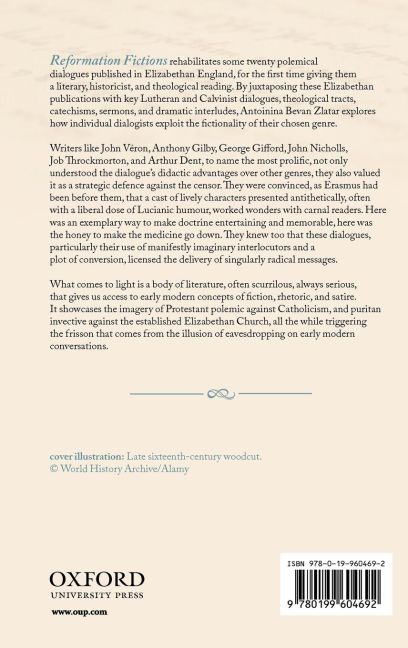
Reformation Fictions rehabilitates some twenty polemical dialogues published in Elizabethan England, for the first time giving them a literary, historicist and, to a lesser extent, theological reading. By juxtaposing these Elizabethan publications with key Lutheran and Calvinist dialogues, theological tracts, catechisms, sermons, and dramatic interludes, Antoinina Bevan Zlatar explores how individual dialogists exploit the fictionality of their chosen genre.
Writers like John Véron, Anthony Gilby, George Gifford, John Nicholls, Job Throckmorton, and Arthur Dent, to name the most prolific, not only understood the dialogue's didactic advantages over other genres, they also valued it as a strategic defence against the censor. They were convinced, as Erasmus had been before them, that a cast of lively characters presented antithetically, often with a liberal dose of Lucianic humour, worked wonders with carnal readers. Here was an exemplary way to make doctrine entertaining and memorable, here was the honey to make the medicine go down. They knew too that these dialogues, particularly their use of manifestly imaginary interlocutors and a plot of conversion, licensed the delivery of singularly radical messages.
What comes to light is a body of literature, often scurrilous, always serious, that gives us access to early modern concepts of fiction, rhetoric, and satire. It showcases the imagery of Protestant polemic against Catholicism, and puritan invective against the established Elizabethan Church, all the while triggering the frisson that comes from the illusion of eavesdropping on early modern conversations.
Antoinina Bevan Zlatar read English at Lincoln College, Oxford, before completing a doctorate in English literature and Reformation history at the University of Geneva.
- I. Introduction
- II. Dialogues profitable, delightsome and bold
- 1: De utilitate colloquiorum
- 2: The authors, their creations, and the nature of fiction
- III. Tudor Precursors
- 1: Henrician priests and insubordinate servants
- 2: The Edwardian Whore of Babylon
- 3: Marian wolves
- IV. 'Englishing' Pierre Viret: the Case of John Véron
- 1: Pierre Viret's Disputations chrestiennes
- 2: 'Englishing' Pierre Viret or The Huntynge of Purgatorye to Death
- 3: Véron's rhetoric of refutation
- V. Fear of Popery
- 1: French butchers and Spanish galleons
- 2: The Campion affair: John Nicholls and George Gifford
- 3: Francis Savage and recusant wives
- VI. Puritans against the Bishops
- 1: Archbishop Parker's comely, one-eyed chaplain
- 2: Bitter laughter: John Udall, Job Throckmorton and Martin Marprelate
- VII. Fear of Atheism
- 1: George Gifford's country parishioner
- 2: I. B.'s country parson
- VIII. Applying oneself to the capacity of the unlearned
- A Glossary of Rhetorical Terms
- Bibliography
- Index