Und dann auf "Zum Home-Bildschirm [+]".

Stöbern
genialokal zum Startbildschirm hinzufügen
Installieren Sie die genialokal App auf Ihrem Startbildschirm für einen schnellen Zugriff und eine komfortable Nutzung.
Installieren Sie die genialokal App auf Ihrem Startbildschirm für einen schnellen Zugriff und eine komfortable Nutzung.

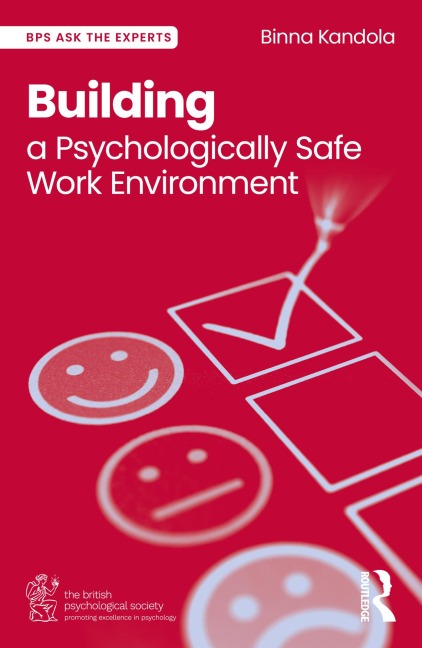
Building a Psychologically Safe Work Environment provides a roadmap to enable the creation of spaces in organizations where voices are heard, actions taken, and lives improved. Written in an approachable question-and-answer format, the book offers a valuable "dip in and out" approach to questions surrounding psychological safety in professional life. Written by an expert business psychologist, it provides guidance on such topics as what psychological safety is, why it is important, how to tell if you work in a psychologically safe environment, and what actions leaders can take to make their workplace more psychologically safe. Through an examination of current research and in-depth analysis of real-life examples, the book takes a systemic approach that equips you with the tools to make the changes in your own workplace that will have the greatest impact on your teams and yourself. In so doing, it empowers you to create an inclusive work environment that is engaging, respectful, challenging, and effective. Making the concept of psychological safety easily accessible and offering tips on how to increase psychological safety within your own workplace, this is the ideal guide for leaders of all levels, from those first stepping up to seasoned managers.
Binna Kandola is co-founder and Senior Partner at Pearn Kandola, a practice of Business Psychologists. He is Visiting Professor at Leeds University Business School, UK, and has spent over 40 years researching diversity, inclusion, and bias in the workplace. As a practitioner, he has worked with some of the world's leading organizations, including American Express, Microsoft, NATO, and the World Bank. He has been on the UK's Asian Power List for the last six years.
1. What does this book cover? Part I: Understanding Psychological Safety 2. What is psychological safety? 3. Why should I pay attention to psychological safety at work? 4. How does psychological safety in organizations relate to other concepts? Part II: The Human Element 5. How do use leaders impact psychological safety? 6. What if I'm the only dissenter in a team? 7. What is the role of the individual? 8. Psychological safety: but for who? Part III: The Systemic View 9. How can I use the ideas in this book to carry out an analysis of psychological safety in my organisation? Bibliography Index