Und dann auf "Zum Home-Bildschirm [+]".

Stöbern
genialokal zum Startbildschirm hinzufügen
Installieren Sie die genialokal App auf Ihrem Startbildschirm für einen schnellen Zugriff und eine komfortable Nutzung.
Installieren Sie die genialokal App auf Ihrem Startbildschirm für einen schnellen Zugriff und eine komfortable Nutzung.
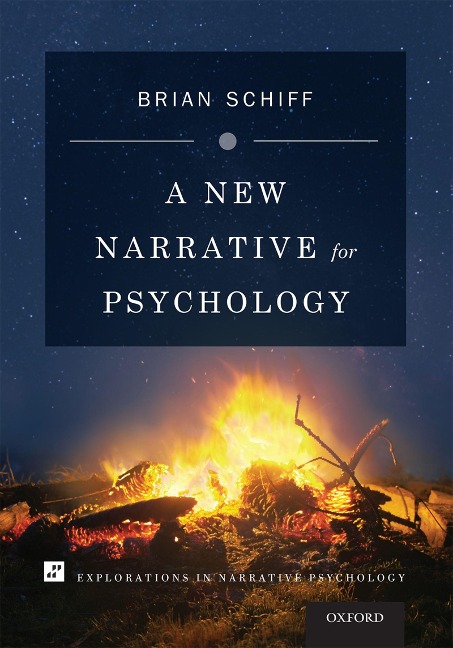
How can a narrative perspective help us advance our understanding of the fundamental problems of human psychology and better appreciate persons in diverse social and cultural contexts? In A New Narrative for Psychology, author Brian Schiff offers researchers and scholars a new way to study and think about people and the goals of psychological understanding today. By providing a challenging critique of contemporary methods and addressing what these approaches to psychological research leave unexplored, Schiff presents readers with a cutting-edge approach for getting at the thorny problem of meaning making in human lives. While serving as a helpful guide for psychology scholars, this volume is also an excellent place to start for readers who might be unfamiliar with narrative psychology. Here, Schiff carefully considers the history of the field and its place within contemporary psychology by offering a fresh and innovative theoretical perspective on narrative as an active interpretative process present in most aspects of our everyday lives. Further, Schiff expertly grounds this research for readers in clear, vivid illustrations of what can be learned from the intensive study of how people narrate their experiences, selves, social relationships, and the world today. A New Narrative for Psychology is an invitation to a fascinating conversation about the critical questions of the discipline, the most effective strategies for approaching them, and an exciting glimpse into the future of narrative psychology.
Brian Schiff is Professor and Chair of the Department of Psychology and Director of the George and Irina Schaeffer Center for the Study of Genocide, Human Rights and Conflict Prevention at the American University of Paris. A graduate of The University of Chicago's Committee on Human Development, Schiff's research uses narrative in order to examine the meeting place between person, social relationships and culture. Schiff is the 2016 recipient of the Theodore Sarbin Award from the American Psychological Association. He is editor of Rereading Personal Narrative and Life Course, New Directions for Child and Adolescent Development, and co-editor of Life and Narrative: The Risks and Responsibilities of Storying Experience.
Acknowledgements Dedication PART ONE Introduction: What's the Problem? Chapter 1: Out of Context Chapter 2: Out of the Head PART TWO Chapter 3: Turning to Narrative Chapter 4: How Narrating Functions Chapter 5: Making It So... PART THREE Chapter 6: Interpreting Interpretations Chapter 7: Interpreting Ben's Survival Chapter 8: Interpretation in Practice Chapter 9: Reasoned Interpretations Conclusion: Unity in Psychology? References
Dieses eBook wird im PDF-Format geliefert und ist mit einem Adobe Kopierschutz (DRM) versehen. Sie können dieses eBook mit allen Geräten lesen, die das PDF-Format und den Adobe Kopierschutz (DRM) unterstützen.
Zum Beispiel mit den folgenden Geräten:
• tolino Reader
Laden Sie das eBook direkt über den Reader-Shop auf dem tolino herunter oder übertragen Sie das eBook auf Ihren tolino mit einer kostenlosen Software wie beispielsweise Adobe Digital Editions.
• Sony Reader & andere eBook Reader
Laden Sie das eBook direkt über den Reader-Shop herunter oder übertragen Sie das eBook mit der kostenlosen Software Sony READER FOR PC/Mac oder Adobe Digital Editions auf ein Standard-Lesegeräte mit epub- und Adobe DRM-Unterstützung.
• Tablets & Smartphones
Möchten Sie dieses eBook auf Ihrem Smartphone oder Tablet lesen, finden Sie hier unsere kostenlose Lese-App für iPhone/iPad und Android Smartphone/Tablets.
• PC & Mac
Lesen Sie das eBook direkt nach dem Herunterladen mit einer kostenlosen Lesesoftware, beispielsweise Adobe Digital Editions, Sony READER FOR PC/Mac oder direkt über Ihre eBook-Bibliothek in Ihrem Konto unter „Meine eBooks“ - „online lesen“.
Schalten Sie das eBook mit Ihrer persönlichen Adobe ID auf bis zu sechs Geräten gleichzeitig frei.
Bitte beachten Sie, dass die Kindle-Geräte das Format nicht unterstützen und dieses eBook somit nicht auf Kindle-Geräten lesbar ist.