Und dann auf "Zum Home-Bildschirm [+]".

Stöbern
genialokal zum Startbildschirm hinzufügen
Installieren Sie die genialokal App auf Ihrem Startbildschirm für einen schnellen Zugriff und eine komfortable Nutzung.
Installieren Sie die genialokal App auf Ihrem Startbildschirm für einen schnellen Zugriff und eine komfortable Nutzung.
Ihr gewünschter Artikel ist in 0 Buchhandlungen vorrätig - wählen Sie hier eine Buchhandlung in Ihrer Nähe aus:

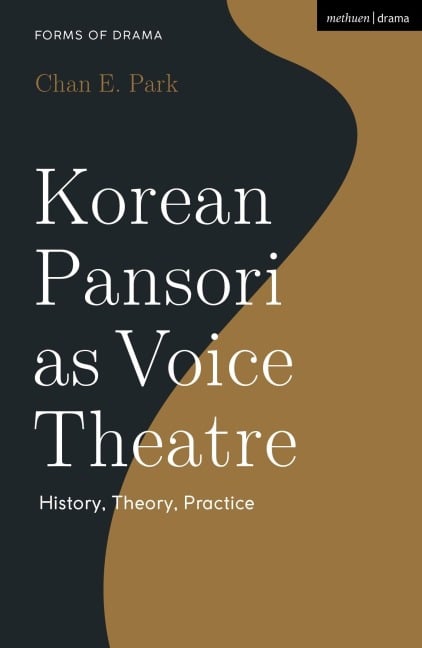
This book introduces readers to the historical, performative, and cultural context of pansori, a traditional Korean oral story-singing art.
Written by a scholar-practitioner of the form, this study is structured in three parts and begins by introducing readers to the technical, aesthetic, and theoretical components of pansori, as well as the synthesis of vocal and percussive elements that stage the narrative. It moves on to reflect on the historical contexts of pansori, alongside Korea's transformation from Joseon monarchy to modern statehood. It argues that with colonial annexation came modernist influences that Korean dramatists and audiences used to create new genres of performance, using the common thread of pansori.
The book's third part explores the interplay of preservation and innovation, beginning in the post-war period and continuing with developments in the 20th and 21st centuries that coincide with Korea's imprint on cultural globalization. Along with Korea's growth as a world economic center, a growing enthusiasm for Korean culturearound the world has increased the transmission and visibility of pansori. This study argues that tradition and innovation are not as divergent as they are sometimes imagined to be and that tradition is the force that enables innovation. Drawing on Chan E. Park's ethnographic work and performance practice, this book interweaves expert knowledge of both the textual and performative aspects of pansori, rendering legible this dramatic tradition.
Chan E. Park is a researcher and performer of pansori, and Professor Emeritus of Korean Literature and Performance at Ohio State University, USA. Her publications include Voices from the Straw Mat: Toward an Ethnography of Korean Story Singing (2003) and Songs of Thorns and Flowers: Bilingual Performance and Discourse on Modern Korean Poetry Series(2010-2015).
List of Figures List of Tables Series Preface Introduction: Orality of Storysinging Section I: Technique and Practice of Pansori Chapter One: Voice, Drum, Listening Ear Chapter Two: Jangdan, the Drummed Heartbeat of Storytelling Section II: Historical Development Chapter Three: 18th-19th Century Chapter Four: Negotiating Dramatic Modernization Section III: Beyond the 20th Century Chapter Five: Preservation and Reinvention, Mutually Chapter Six: 'Singing Who You Are': Reflections on Interpretive Bilingual Pansori-making Conclusion Bibliography Index