Und dann auf "Zum Home-Bildschirm [+]".

Stöbern
genialokal zum Startbildschirm hinzufügen
Installieren Sie die genialokal App auf Ihrem Startbildschirm für einen schnellen Zugriff und eine komfortable Nutzung.
Installieren Sie die genialokal App auf Ihrem Startbildschirm für einen schnellen Zugriff und eine komfortable Nutzung.
Ihr gewünschter Artikel ist in 0 Buchhandlungen vorrätig - wählen Sie hier eine Buchhandlung in Ihrer Nähe aus:

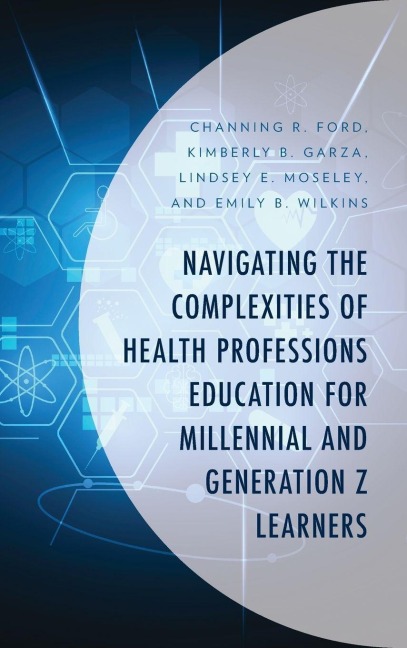
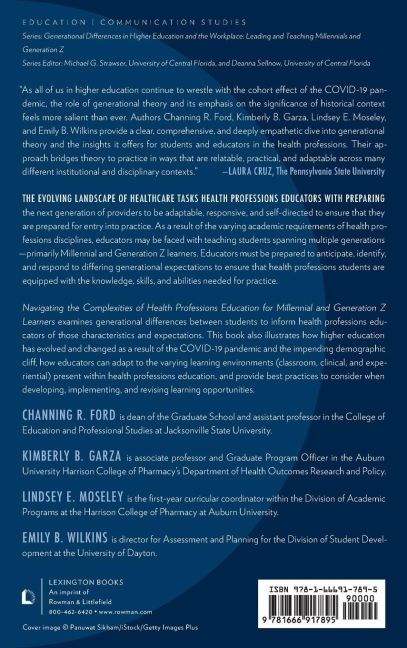
The evolving landscape of healthcare tasks health professions educators with preparing the next generation of providers to be adaptable, responsive, and self-directed to ensure that they are prepared for entry into practice. The complexity of developing, implementing, and assessing health professions education is further compounded when educators consider the expectations of their learners and strive to integrate their needs and expectations into the learning environment. As a result of the varying academic requirements of health professions disciplines, educators may be faced with teaching students spanning multiple generations, to primarily include Millennial and Generation Z learners. Educators must be prepared to anticipate, identify, and respond to differing generational expectations to ensure that health professions students are equipped with the knowledge, skills, and abilities needed for practice.
This book examines generational differences between Millennial and Generation Z learners to inform health professions educators of those generational characteristics and expectations. The book also illustrates how higher education has evolved and changed as a result of the COVID-19 pandemic and the impending demographic cliff, how educators can adapt the varying learning environments (classroom, clinical, and experiential) present within health professions education, and provide best practices to consider when developing, implementing and revising learning opportunities.
Channing R. Ford, Kimberly B. Garza, Lindsey E. Moseley, Emily B. Wilkins
Acknowledgments Preface Chapter 1: Overview of Generational Theory and the Millennial Generation Chapter 2: Generation Z Enters Higher Education and How They Compare to Millennials Chapter 3: Recent Trends Impacting Higher Education Across Generations: Is Demography Destiny in Higher Education? Chapter 4: Factors that Impact Health Professions Education Chapter 5: Considerations for Teaching Millennials and Gen Zs in the Classroom Chapter 6: Assessing Competency-Based Education and Navigating Clinical/Lab Skills with Millennial and Generation Z Learners Chapter 7: Establishing Connection within Co-Curricular Experiences and the Role of Student Affairs within Higher Education Chapter 8: Creating a Team within Interprofessional Education with Multigenerational Student Populations Chapter 9: Cultivating Professionalism and Professional Identity Formation Through Experiential Learning Chapter 10: Generational Differences in the Health Professions Workforce Chapter 11: Best Practices for Navigating the Generational Divides Conclusion References About the Authors