Und dann auf "Zum Home-Bildschirm [+]".

Stöbern
genialokal zum Startbildschirm hinzufügen
Installieren Sie die genialokal App auf Ihrem Startbildschirm für einen schnellen Zugriff und eine komfortable Nutzung.
Installieren Sie die genialokal App auf Ihrem Startbildschirm für einen schnellen Zugriff und eine komfortable Nutzung.
Ihr gewünschter Artikel ist in 0 Buchhandlungen vorrätig - wählen Sie hier eine Buchhandlung in Ihrer Nähe aus:

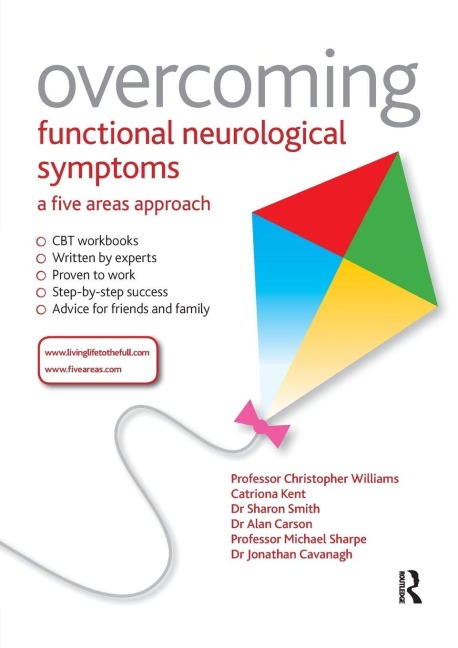
Overcoming Functional Neurological Symptoms uses the proven and trusted five areas model of Cognitive Behaviour Therapy (CBT) to help people experiencing a range of medically unexplained symptoms, including chronic headaches, fatigue, dizziness, loss of sensation, weakness and numbness.
Easy to use and practical, this CBT workbook:
Presents the insights of award-winning authors who are experts in the field
Contains therapeutic advice proven to work through years of research and practice
Ensures patients success through specific plans leading to positive results
Provides advice for friends and family of patients
This book is designed for CBT practitioners, psychiatrists, psychologists, neurologists, physiotherapists, occupational therapists and healthcare workers to share with their patients.
A linked and completely free online support course is located at www.livinglifetothefull.com with additional resources at www.fiveareas.com
Chris Williams and his wife Veronica enjoy life with their three children, Aaron, Kristen, and Hailey, their grandchildren, and other family members. Chris is a man of faith and believes God does perform miracles. He is incredibly involved in his community in Mt. Sterling, KY. He has had several speaking engagements and interviews with different outlets, including The 700 Club, Fighting for Life With Thousands of Prayers (https://www1.cbn.com/fighting-life-thousands-prayers), Governor Matt Bevin, Tom Leach, UK football and basketball announcer, State Representative David Hale, and preachers from churches and local stations in Kentucky. Chris continues to share his story, using his voice to support families and victims of trauma. He hopes he can help someone having a challenging time always have faith in God.
Understanding how people respond to symptoms: Introduction. Understanding how people respond to symptom. Your brain and body, and how these link to symptoms. Making changes: Five Areas Approach to improving things. Behaviors. Noticing and changing unhelpful thinking. Practical toolboxes: Overcoming reduced activity and avoidance. Practical problem solving. How to become more assertive. Healthy living. Illness, symptoms, and other people.