Und dann auf "Zum Home-Bildschirm [+]".

Stöbern
genialokal zum Startbildschirm hinzufügen
Installieren Sie die genialokal App auf Ihrem Startbildschirm für einen schnellen Zugriff und eine komfortable Nutzung.
Installieren Sie die genialokal App auf Ihrem Startbildschirm für einen schnellen Zugriff und eine komfortable Nutzung.
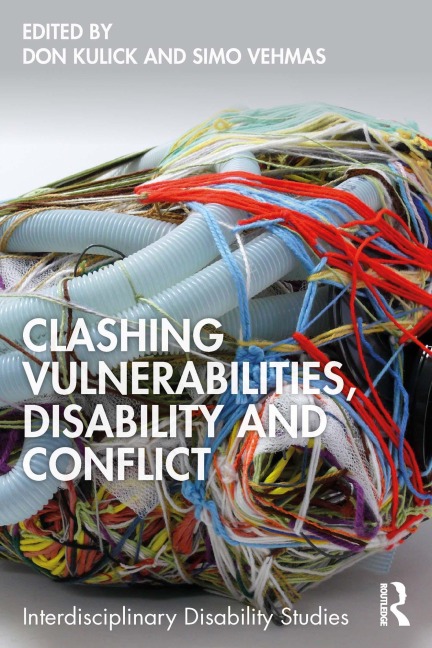
This book is about how we might think about vulnerability-what it is and how it operates-by looking at cases where different kinds of vulnerabilities clash. Disability is often portrayed as a vulnerability in itself, and disabled people are often labelled a prototypical "vulnerable group". This book disassembles that label by highlighting how vulnerabilities involving people with disabilities emerge and how they often conflict with other vulnerabilities: the vulnerabilities of disabled students vs. the vulnerabilities of under-educated and harassed teachers, for example. Or the struggles for legitimacy that pit neuro-divergent groups against people with chronic illnesses, one casting doubt on the validity of the other. Or the different uses of curb cuts for people in wheelchairs and people with visual impairments-uses which sometimes clash. Clashes like these illustrate the role that conflict plays in defining "vulnerability" and they lead us to think about how we might try to adjudicate between different claims of what can count as a vulnerability. Providing new insight into power and non-power, ideology, socioeconomic structures, and the vicissitudes of disability as both a subject position and a lived experience, this book will be of interest to scholars and students of disability studies, anthropology and sociology, policy, and philosophy.
Don Kulick is Distinguished University Professor of Anthropology at Uppsala University and Visiting Chair Professor at Hong Kong University. Simo Vehmas is Professor of Special Education at Stockholm University.
0.Introduction - Clashing Vulnerabilities. 1.Curb clash: Blindness, wheelchairs, and tactile paving. 2.Embodied vulnerability vs. capitalist privilege. 3.Freedom vs. disability. 4.Rights vs. wrong: Debates about sex and disability. 5.Grassroots disability movement vs. Disability organizations. 6.French teachers vs. disabled students. 7.Long Covid vs. Functional Neurological Disorder: punching down. 8.Day centre staff vs. service users during the Covid-19 pandemic. 9.Inherent vs. contingent vulnerabilities in the care for people with profound intellectual and multiple disabilities.
Dieses eBook wird im PDF-Format geliefert und ist mit einem Adobe Kopierschutz (DRM) versehen. Sie können dieses eBook mit allen Geräten lesen, die das PDF-Format und den Adobe Kopierschutz (DRM) unterstützen.
Zum Beispiel mit den folgenden Geräten:
• tolino Reader
Laden Sie das eBook direkt über den Reader-Shop auf dem tolino herunter oder übertragen Sie das eBook auf Ihren tolino mit einer kostenlosen Software wie beispielsweise Adobe Digital Editions.
• Sony Reader & andere eBook Reader
Laden Sie das eBook direkt über den Reader-Shop herunter oder übertragen Sie das eBook mit der kostenlosen Software Sony READER FOR PC/Mac oder Adobe Digital Editions auf ein Standard-Lesegeräte mit epub- und Adobe DRM-Unterstützung.
• Tablets & Smartphones
Möchten Sie dieses eBook auf Ihrem Smartphone oder Tablet lesen, finden Sie hier unsere kostenlose Lese-App für iPhone/iPad und Android Smartphone/Tablets.
• PC & Mac
Lesen Sie das eBook direkt nach dem Herunterladen mit einer kostenlosen Lesesoftware, beispielsweise Adobe Digital Editions, Sony READER FOR PC/Mac oder direkt über Ihre eBook-Bibliothek in Ihrem Konto unter „Meine eBooks“ - „online lesen“.
Schalten Sie das eBook mit Ihrer persönlichen Adobe ID auf bis zu sechs Geräten gleichzeitig frei.
Bitte beachten Sie, dass die Kindle-Geräte das Format nicht unterstützen und dieses eBook somit nicht auf Kindle-Geräten lesbar ist.