Und dann auf "Zum Home-Bildschirm [+]".

Stöbern
genialokal zum Startbildschirm hinzufügen
Installieren Sie die genialokal App auf Ihrem Startbildschirm für einen schnellen Zugriff und eine komfortable Nutzung.
Installieren Sie die genialokal App auf Ihrem Startbildschirm für einen schnellen Zugriff und eine komfortable Nutzung.
Ihr gewünschter Artikel ist in 0 Buchhandlungen vorrätig - wählen Sie hier eine Buchhandlung in Ihrer Nähe aus:

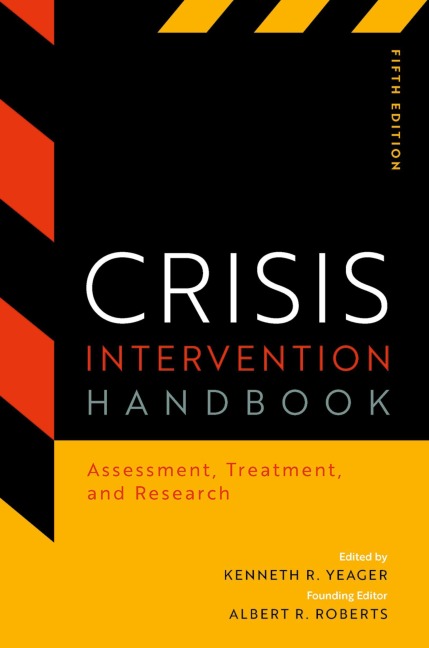
This book is essential to those working in healthcare, mental health, and as first responders. First published in 1990, this fifth edition of the classic and widely acclaimed text provides a comprehensive, up-to-date resource for individuals, organizations, and communities wishing to develop competencies in crisis management and intervention. Kenneth Yeager has again masterfully updated earlier editions, edited by the late Albert Roberts, while keeping as core content Roberts' seven-stage model. It is the only reference book using evidence-based approaches to crisis intervention. This work provides hands on techniques and interventions to be applied in a variety of areas and presents clearly outlined and concise processes covering the widest range of crisis events. This is the one indispensable book for students and practitioners alike. Covering current pressing topics with a variety of examples of how to apply Roberts' seven stage model, The Crisis Intervention Handbook addresses the most demanding and consequential issues faced in crisis intervention. The book provides a hands on approach designed to address a full range of acute crisis episodes, including school violence, battering, adult substance use disorder, school violence response to crisis in healthcare, and mass disasters, such as terrorist attacks. It additionally, walks the reader through outcome assessment and scale development.
Kenneth R. Yeager is Professor Emeritus in the College of Medicine, Department of Psychiatry and Behavioral Health at Ohio State. Dr. Yeager, retired in July of 2023 as a full professor form the Department of Psychiatry and Behavioral Health. He held the David E. Schuller, MD, Professor for Patient Compassion, endowed professorship; served as director of the Stress, Trauma and Resilience (STAR) Program. Rresearch interests include psychological trauma, crisis intervention, crime victims and substance-use disorders and the interplay of trauma on healthcare providers and first responders including the impact of the Brief Emotional Support Team (BEST) model for peer support which received national recognition from the Schwartz Center for Compassionate Care and the National Academy of Medicine.
- Chapter 1: Bridging the Past and Present to the Future of Crisis Intervention and Crisis Management - Chapter 2: Lethality Assessment and Crisis Intervention With Persons Presenting With Suicidal Ideation - Chapter 3: Differentiating Among Stress, Acute Stress Disorder, Acute Crisis Episodes, Trauma, and PTSD: Paradigm and Treatment Goals - Chapter 4: Crisis Intervention for Persons Diagnosed With Clinical Disorders Based on the Stress-Crisis Continuum - Chapter 5: Suicide Crisis Intervention - Chapter 6: The ACT Model: Assessment, Crisis Intervention, and Trauma Treatment in the Aftermath of Community Disasters - Chapter 7: An Examination of the US Response to Bioterrorism: Confronting Trauma and Managing the Threat and Aftermath Through Crisis Intervention - Chapter 8: Crisis Intervention and First Responders: Impact of Long-Term Exposure to Traumatic Events - Chapter 9: Crisis Intervention Teams: Community Partnerships Supporting Police-Based First Response for People in Mental Health Crisis - Chapter 10: Child and Adolescent Psychiatric Emergencies: Mobile Crisis Response - Chapter 11: Crisis Intervention With Early Adolescents Who Have Suffered a Significant Loss - Chapter 12: A Comprehensive Model for Crisis Intervention With Survivors of Intimate Partner Violence (IPV) and Their Children - Chapter 13: Crisis Intervention With Stalking Victims - Chapter 14: Crisis Intervention with Persons Affected by Gambling Disorder Using Motivational Interviewing - Chapter 15: Crisis Intervention Application of Brief Solution-Focused Therapy in Addictions - Chapter 16: Crisis Intervention for Women with Chronic Health Issues - Chapter 17: Animal-Assisted Crisis Response - Chapter 18: Trauma Support Services for Healthcare Workers: The Stress, Trauma and Resilience (STAR) Program - Chapter 19: Effective Crisis Intervention With Care Givers - Chapter 20: Effective Crisis Intervention: Knowledge, Skills and Models - Chapter 21: The Crisis State Assessment Scale: Development and Psychometrics - Chapter 22: Designs and Procedures for Evaluating Crisis Intervention and Trauma-Informed Care