Und dann auf "Zum Home-Bildschirm [+]".

Stöbern
genialokal zum Startbildschirm hinzufügen
Installieren Sie die genialokal App auf Ihrem Startbildschirm für einen schnellen Zugriff und eine komfortable Nutzung.
Installieren Sie die genialokal App auf Ihrem Startbildschirm für einen schnellen Zugriff und eine komfortable Nutzung.
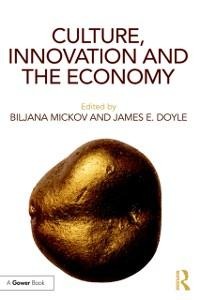
This is a handbook for the cultural entrepreneur, offering some of the best examples on practice, franchises, research, innovation and business opportunities in the cultural sector. The key theme is the contribution and possibilities of the cultural economy as a business, with a strong supporting subtext on innovative practice. The book illustrates the theme by providing multiple practice-based and empirical examples from an international panel of experts. Each contribution provides an accessible and easily accessed bank of knowledge on which existing practice can be grown and new projects undertaken. It provides an eclectic mix of possibilities that reinforce and underscore the full innovative and complex potential of the cultural economy. Topics include a review of the global and regional economic benefits of the cultural economy, evidence-based analysis of the culture industries, and an outline of the top ten cultural opportunities for business. This collection transcends the space between theory and practice to combine culture and innovation and understand their importance to a wider economy. This is essential reading for researchers and practitioners interested in entrepreneurship, non-profit management, art and visual culture, and public finance.
Biljana Mickov is a cultural researcher, editor and consultant. She is responsible for the Creative Industries programme at the Institute of Culture Vojvodina, Serbia. Her work is primarily dedicated to researching and developing cultural policies and contemporary arts management internationally in cities. James E. Doyle is an expert adviser on Arts & Cultural Policy and Strategic Development in Guinea-Bissau, West Africa. He is a former Arts Officer for Dublin City Council, advised on the music hub for Parnell Square Cultural Quarter and coordinated the start-up of Dublin's bid to be the European Capital of Culture 2020. James has extensive managerial experience in the arts, culture and events sectors, he has held positions in research & education, and at regional and national level in event industry training.
Introduction, James E. Doyle and Biljana Mickov; Culture and Economy: The Cultural Economy; 1. Culture, Creativity and Economic Progress, Pau Rausell-Köster; 2. High Performance Cultural Business Equals High Performance Results, Penelope Kenny; 3. Urban Innovation for Resilient Cities: Eindhoven 2050, Marc Glaudemans; 4. Planning the Allocation of Cultural Resources in Novi Sad, Darko Reba and Milica KostreS; 5. The UK's National Shortage of Talent and the Networks That Can Address It, Callum Lee; 6. Orange Tourism: The Color of the Strategic Alliance between Culture, Creativity and Tourism, Jordi Tresserras & Sara Terzic; 7. Cultural and Creative Entrepreneurs, Elisabetta Lazzaro; 8. Its All in the Books: How Libraries Foster Creative Practice and Entrepreneurship, Emmanuelle Marion; 9. Innovation in the Public Library, Liz McGettigan; 10. The Economic (and Other) Benefits of Losing, James E. Doyle; Culture and Innovation; 11. Breathtaking Information: The Online Media and the Demands for Innovation, Miroslav Kevezdi; 12. Innovation in Media: The Rise of the Machine, David Smith; 13. Value Innovation in the 'New' Age of Experiential Consumption: The Millennial Force, Jörn Bühring; 14. Creative and Cultural Entrepreneurship: Models of Support, Research and Education, Louise Allen; 15. Are Cultural Sites Leisure Businesses?, Jean-Michel Tobelem; 16 Coping with ICT Adoption:A Dificult Route for Heritage in Southern Europe, Anne Gombault, Oihab Allal-Chérif, Aurélien Décamps, Claire Grellie, KEDGE Business School, Creative Industries Culture Research Center; 17. Innovation and Design Thinking, James E. Doyle; Innovation and the Arts; 18. Beyond Price: Making Space for Values in the Commerce for Culture, Priyatej Kotipalli, Program Director , Creare Foundation; 19. Film Heritage and Innovation, Luca Antoniazzi; 20. Festival Les Instants Vidéo: The Line of Attempt if Implausibly Utopian, Naik M'sili; 21. The Truth is Out There, Freek Lomme; 22. Afterwards: The Top Ten Cultural and Creative Economy Facts - and Some Questions?, James E. Doyle
Dieses eBook wird im PDF-Format geliefert und ist mit einem Adobe Kopierschutz (DRM) versehen. Sie können dieses eBook mit allen Geräten lesen, die das PDF-Format und den Adobe Kopierschutz (DRM) unterstützen.
Zum Beispiel mit den folgenden Geräten:
• tolino Reader
Laden Sie das eBook direkt über den Reader-Shop auf dem tolino herunter oder übertragen Sie das eBook auf Ihren tolino mit einer kostenlosen Software wie beispielsweise Adobe Digital Editions.
• Sony Reader & andere eBook Reader
Laden Sie das eBook direkt über den Reader-Shop herunter oder übertragen Sie das eBook mit der kostenlosen Software Sony READER FOR PC/Mac oder Adobe Digital Editions auf ein Standard-Lesegeräte mit epub- und Adobe DRM-Unterstützung.
• Tablets & Smartphones
Möchten Sie dieses eBook auf Ihrem Smartphone oder Tablet lesen, finden Sie hier unsere kostenlose Lese-App für iPhone/iPad und Android Smartphone/Tablets.
• PC & Mac
Lesen Sie das eBook direkt nach dem Herunterladen mit einer kostenlosen Lesesoftware, beispielsweise Adobe Digital Editions, Sony READER FOR PC/Mac oder direkt über Ihre eBook-Bibliothek in Ihrem Konto unter „Meine eBooks“ - „online lesen“.
Schalten Sie das eBook mit Ihrer persönlichen Adobe ID auf bis zu sechs Geräten gleichzeitig frei.
Bitte beachten Sie, dass die Kindle-Geräte das Format nicht unterstützen und dieses eBook somit nicht auf Kindle-Geräten lesbar ist.