Und dann auf "Zum Home-Bildschirm [+]".

Stöbern
genialokal zum Startbildschirm hinzufügen
Installieren Sie die genialokal App auf Ihrem Startbildschirm für einen schnellen Zugriff und eine komfortable Nutzung.
Installieren Sie die genialokal App auf Ihrem Startbildschirm für einen schnellen Zugriff und eine komfortable Nutzung.
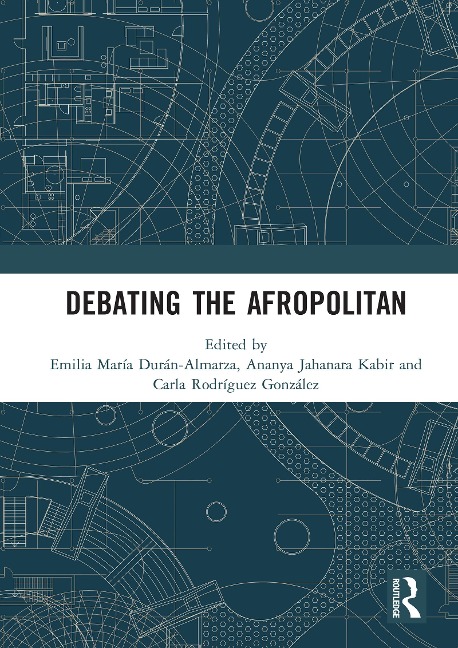
This volume evaluates the vitality of the term 'Afropolitan' within the fields of African and Afro-diasporic studies. A hotly debated and malleable term, its wide circulation has allowed for Afropolitanism to become a contested space for critical inquiry. The contributions to this book are representative of the lively discussions that Afropolitan aesthetics, identity politics and Afro(cosmo)politanisms have sparked in recent years. The book aims to continue the debates around these concepts foregrounded by earlier works in the fields of postcolonial literature, African cultural studies, and studies of diaspora and transnationalism. This book was originally published as a special issue of the European Journal of English Studies.
Emilia María Durán-Almarza is Associate Professor of English at the University of Oviedo, Spain. She specializes in postcolonial literatures and gender studies, with an interest in the performative and literary productions of contemporary African Diasporas. Ananya Jahanara Kabir is Professor of English Literature at King's College London, UK. She works on memory, embodiment, transnationalism, and post-trauma across the global South, and is especially interested in the relationship between texts, dance, and music within urban African and African diasporic contexts. Carla Rodríguez González is Associate Professor of English at the University of Oviedo, Spain. Her research fields include gender and postcolonial studies, as well as contemporary Scottish literature.
Introduction: Debating the Afropolitan 1. An Afropolitan literary aesthetics? Afropolitan style and tropes in recent diasporic African fiction 2. Afropolitan in their own way? Writing and self-identification in Aminatta Forna and Chika Unigwe 3. Lost in translation: re-reading the contemporary Afrodiasporic condition in Taiye Selasi's Ghana Must Go 4. Negotiating singularity and alikeness: Esi Edugyan, Lawrence Hill and Canadian Afrodiasporic writing 5. Transforming the body, transculturing the city: Nalo Hopkinson's fantastic Afropolitans 6. Cosmopolitanism's new clothes? The limits of the concept of Afropolitanism
Dieses eBook wird im PDF-Format geliefert und ist mit einem Adobe Kopierschutz (DRM) versehen. Sie können dieses eBook mit allen Geräten lesen, die das PDF-Format und den Adobe Kopierschutz (DRM) unterstützen.
Zum Beispiel mit den folgenden Geräten:
• tolino Reader
Laden Sie das eBook direkt über den Reader-Shop auf dem tolino herunter oder übertragen Sie das eBook auf Ihren tolino mit einer kostenlosen Software wie beispielsweise Adobe Digital Editions.
• Sony Reader & andere eBook Reader
Laden Sie das eBook direkt über den Reader-Shop herunter oder übertragen Sie das eBook mit der kostenlosen Software Sony READER FOR PC/Mac oder Adobe Digital Editions auf ein Standard-Lesegeräte mit epub- und Adobe DRM-Unterstützung.
• Tablets & Smartphones
Möchten Sie dieses eBook auf Ihrem Smartphone oder Tablet lesen, finden Sie hier unsere kostenlose Lese-App für iPhone/iPad und Android Smartphone/Tablets.
• PC & Mac
Lesen Sie das eBook direkt nach dem Herunterladen mit einer kostenlosen Lesesoftware, beispielsweise Adobe Digital Editions, Sony READER FOR PC/Mac oder direkt über Ihre eBook-Bibliothek in Ihrem Konto unter „Meine eBooks“ - „online lesen“.
Schalten Sie das eBook mit Ihrer persönlichen Adobe ID auf bis zu sechs Geräten gleichzeitig frei.
Bitte beachten Sie, dass die Kindle-Geräte das Format nicht unterstützen und dieses eBook somit nicht auf Kindle-Geräten lesbar ist.