Und dann auf "Zum Home-Bildschirm [+]".

Stöbern
genialokal zum Startbildschirm hinzufügen
Installieren Sie die genialokal App auf Ihrem Startbildschirm für einen schnellen Zugriff und eine komfortable Nutzung.
Installieren Sie die genialokal App auf Ihrem Startbildschirm für einen schnellen Zugriff und eine komfortable Nutzung.
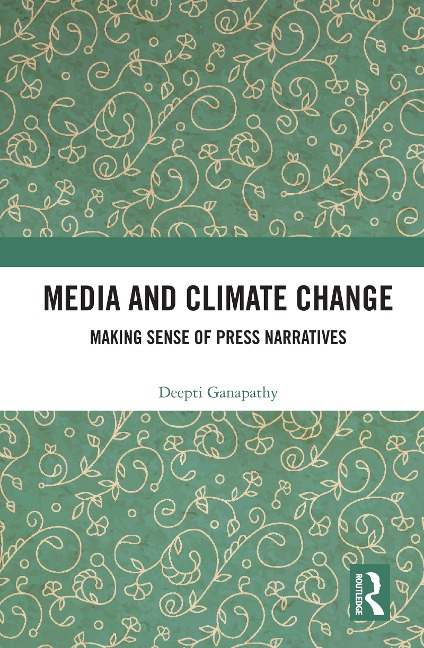
This book looks at the media's coverage of Climate Change and investigates its role in representing the complex realities of climate uncertainties and its effects on communities and the environment. This book explores the socioeconomic and cultural understanding of climate issues and the influence of environment communication via the news and the public response to it. It also examines the position of the media as a facilitator between scientists, policy makers and the public. Drawing extensively from case studies, personal interviews, comparative analysis of international climate coverage and a close reading of newspaper reports and archives, the author studies the pattern and frequency of climate coverage in the Indian media and their outcomes. With a special focus on the Western Ghats, the book discusses the political rhetoric, policy parameters and events that trigger a debate about development over biodiversity crisis and environmental risks in India. This book will be of great interest to scholars and researchers of environmental studies, especially Climate Change, media studies, public policy and South Asian studies, as well as conscientious citizens who deeply care for the environment.
Deepti Ganapathy is a faculty member at the Indian Institute of Management Bangalore and a former journalist who has widely covered and reported on infrastructure, health, women's issues, education and the environment. She holds a PhD in Communication and Journalism from the University of Mysore. She has received recognition for her work, including Journalist of the Month (February 2017) from the International Journalists' Network (ijnet), and was a finalist for the CNN Young Journalist Award (2007), among others. She was appointed Visiting Scholar at the University of California San Diego (2019) and was a Rotary GSE Fellow (2009) to New Zealand. She has presented her work at leading international conferences and given academic talks to government and business organizations. She has published over 1,000 articles across academic journals, book chapters and mainstream media. Her thought leadership articles and guest blogs continue to appear in popular newspapers and magazines, such as Forbes, Deccan Herald, The Times of India, The Indian Express and The Economic Times.
List of Figures. Preface. Acknowledgements. 1 Why report Climate Change? 2 Is the media shying away from covering climate change issues? 3 Comparative analysis of two Indian broadsheets 4 Mediatization of Press narratives 5 Climate Change Communication 6 Creating community-driven reports on Climate Change 7 Reimagining the narrative of Climate Change. References. Appendix. Index.
Dieses eBook wird im PDF-Format geliefert und ist mit einem Adobe Kopierschutz (DRM) versehen. Sie können dieses eBook mit allen Geräten lesen, die das PDF-Format und den Adobe Kopierschutz (DRM) unterstützen.
Zum Beispiel mit den folgenden Geräten:
• tolino Reader
Laden Sie das eBook direkt über den Reader-Shop auf dem tolino herunter oder übertragen Sie das eBook auf Ihren tolino mit einer kostenlosen Software wie beispielsweise Adobe Digital Editions.
• Sony Reader & andere eBook Reader
Laden Sie das eBook direkt über den Reader-Shop herunter oder übertragen Sie das eBook mit der kostenlosen Software Sony READER FOR PC/Mac oder Adobe Digital Editions auf ein Standard-Lesegeräte mit epub- und Adobe DRM-Unterstützung.
• Tablets & Smartphones
Möchten Sie dieses eBook auf Ihrem Smartphone oder Tablet lesen, finden Sie hier unsere kostenlose Lese-App für iPhone/iPad und Android Smartphone/Tablets.
• PC & Mac
Lesen Sie das eBook direkt nach dem Herunterladen mit einer kostenlosen Lesesoftware, beispielsweise Adobe Digital Editions, Sony READER FOR PC/Mac oder direkt über Ihre eBook-Bibliothek in Ihrem Konto unter „Meine eBooks“ - „online lesen“.
Schalten Sie das eBook mit Ihrer persönlichen Adobe ID auf bis zu sechs Geräten gleichzeitig frei.
Bitte beachten Sie, dass die Kindle-Geräte das Format nicht unterstützen und dieses eBook somit nicht auf Kindle-Geräten lesbar ist.