Und dann auf "Zum Home-Bildschirm [+]".

Stöbern
genialokal zum Startbildschirm hinzufügen
Installieren Sie die genialokal App auf Ihrem Startbildschirm für einen schnellen Zugriff und eine komfortable Nutzung.
Installieren Sie die genialokal App auf Ihrem Startbildschirm für einen schnellen Zugriff und eine komfortable Nutzung.
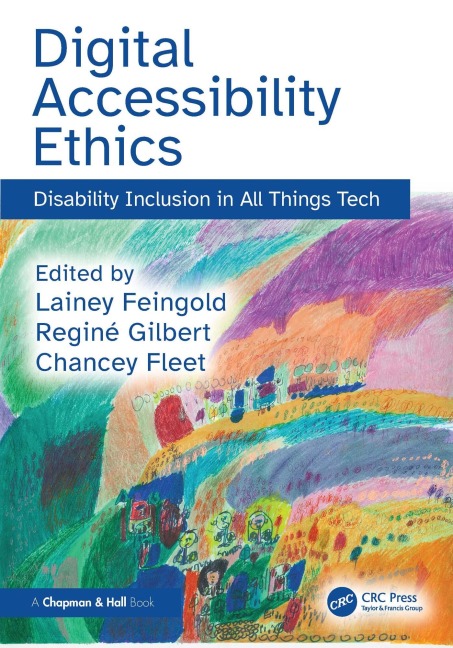
Digital Accessibility Ethics: Disability Inclusion in All Things Tech is a practical guide with an urgent goal: to help end tech exclusion of 1.3 billion people across the world with disabilities. This book introduces the first Digital Accessibility Ethics Framework - an action-oriented, three-part tool designed to influence, change, and disrupt patterns of exclusion with values, actions, and questions. Thirty-nine disabled and nondisabled authors from ten countries and one commonwealth apply this framework across technologies, sectors, and countries. The editors and authors - with over 600 years of combined accessibility and disability advocacy experience - aim to build a world that recognizes disabled people's right to fully participate in every facet of digital life and to offer organizations an ethics lens to help eliminate the financial, legal, privacy, security, health and safety, and other risks and harms of disability exclusion. Through stories, recommendations, strategies, and other guidance, this book looks at a wide range of topics through a digital accessibility ethics lens: from gaming, hackathons, design, and burnout to procurement, AI, healthcare, cybersecurity, and more. It is for technologists, educators, students, marketers, policy makers, lawyers, and everyone who believes in a digital world for all of us. As the world grows more digital, as AI is marketed everywhere, and as the number of people with disabilities expands, there has never been a more crucial time to expose, explore, and act at the intersection of ethics, disability, and digital accessibility. Digital Accessibility Ethics: Disability Inclusion in All Things Tech offers a roadmap to show us the way.
Lainey Feingold is a globally recognized disability rights lawyer, author, and international speaker who has worked in the digital accessibility space since 1995. More information on Lainey's website at https://www.lflegal.com/ Reginé Gilbert helps organizations navigate complexity through inclusive systems and emerging tech. She is the author of Inclusive Design for a Digital World (Apress, 2019; 2nd ed. 2025). More at https://reginegilbert.com/ Chancey Fleet is a Blind tech educator. A Library Journal Mover & Shaker and past Data & Society Fellow, she runs accessible tech coaching and a tactile graphics lab at the New York Public Library centering accessible learning and design for everyone. More at http://chanceyfleet.com/
Introduction: The Digital Accessibility Gap and the Need for an Ethics Framework SECTION 1 Foundation Chapter 1 Introducing the Digital Accessibility Ethics Framework Lainey Feingold, Reginé Gilbert, and Chancey Fleet Chapter 2 Disability and Accessibility: Understanding the Terms at the Heart of This Collection Crystal Preston-Watson Chapter 3 The Ethical Dilemmas of Artificial Intelligence Jutta Treviranus Chapter 4 The Global Digital Accessibility Legal Landscape Lainey Feingold SECTION 2 Ethical Accessibility Practices Chapter 5 Designing With: Widening Power and Participation of Disabled People in the Design Process Josh Kim Chapter 6 Achieving Ethical Accessibility in the Development Process Léonie Watson Chapter 7 The Ethics of Accessibility Leadership in India and Across the Globe Shilpi Kapoor Chapter 8 Empower All Minds: Cognitive Accessibility Ethics Margaux Joffe Chapter 9 Don't Buy Broken Things: Ethical Accessible Procurement Sheri Byrne-Haber Chapter 10 Hackathons, Student Projects, and Digital Accessibility Ethics Joshua A. Miele Chapter 11 Deaf Leaders Now! The Ethics of Hiring Disabled People in Science and Technology Jenny C. Lu and Sheila Xu Chapter 12 Making Every Voice Heard: The Ethics of Voice Recognition Technology Meenakshi Das Chapter 13 Digital Accessibility in Africa: Progress, Challenges, and Opportunities Irene Mbari-Kirika and Samuel Kabue Chapter 14 Who Sees What? Ethics Issues in Describing the Visual World Nefertiti Matos Olivares and Thomas Reid Chapter 15 Facial Difference, AI Bias, and Digital Accessibility Ethics Carly Findlay Chapter 16 Everyone Needs (At Least a Little) Accessibility Education Rolando J. Méndez Fernández and Kate Sonka Chapter 17 Accessibility Overlays and the Harms of Marketing "Quick Fixes" Adrian A. Roselli Chapter 18 Accessibility Practitioner Burnout Is an Ethics Issue Matt May SECTION 3 Digital Accessibility Ethics Across Sectors Chapter 19 No One Left Behind: Digital Accessibility Ethics and Emergency Preparedness Erin E. Brown Chapter 20 When My Seeing Eye Dog and I Surprise a Delivery Robot: New Technologies Need to Be Accessible, Too Haben Girma Chapter 21 Secure by Design, Accessible by Default: Building Cybersecurity Ethics that Include Everyone Aliyu G. Yisa and Justin Merhoff Chapter 22 From Both Sides of the Stethoscope: Digital Accessibility Ethics in Healthcare Oluwaferanmi O. Okanlami and Heidi Joshi Chapter 23 Beyond Technology: Ethics and Strategies for Inclusive Smart Cities Monica Duhem, Josefina Ocampo Guchea, and James Thurston Chapter 24 Tech-Facilitated Disability Discrimination and Artificial Intelligence Tools at Work Ariana H. Aboulafia Chapter 25 Who Gets to Read, Who Gets to Publish? Digital Accessibility Ethics for Authors, Journalists, and Publishers Laura Brady and Daniella Levy-Pinto Chapter 26 Democracy for All: Addressing Accessibility Challenges for Disabled Voters Jess Moore Matthews Chapter 27 Digital Accessibility and Open Source Need Each Other Mike Gifford Chapter 28 Immersive Technology Needs Digital Accessibility Ethics Reginé Gilbert Chapter 29 Public Relations, Marketing, Accessibility, and Ethics Victoria Ottah Nnenna Chapter 30 The Future of Game Accessibility is Grounded in Ethics Aderyn Thompson Chapter 31 Digital Accessibility and Public Digital Amenities Chancey Fleet Chapter 32 Legal Ethics, Access to Justice, and the Need for Digital Accessibility Lainey Feingold Conclusion: What's Next for Digital Accessibility Ethics?
Dieses eBook wird im PDF-Format geliefert und ist mit einem Adobe Kopierschutz (DRM) versehen. Sie können dieses eBook mit allen Geräten lesen, die das PDF-Format und den Adobe Kopierschutz (DRM) unterstützen.
Zum Beispiel mit den folgenden Geräten:
• tolino Reader
Laden Sie das eBook direkt über den Reader-Shop auf dem tolino herunter oder übertragen Sie das eBook auf Ihren tolino mit einer kostenlosen Software wie beispielsweise Adobe Digital Editions.
• Sony Reader & andere eBook Reader
Laden Sie das eBook direkt über den Reader-Shop herunter oder übertragen Sie das eBook mit der kostenlosen Software Sony READER FOR PC/Mac oder Adobe Digital Editions auf ein Standard-Lesegeräte mit epub- und Adobe DRM-Unterstützung.
• Tablets & Smartphones
Möchten Sie dieses eBook auf Ihrem Smartphone oder Tablet lesen, finden Sie hier unsere kostenlose Lese-App für iPhone/iPad und Android Smartphone/Tablets.
• PC & Mac
Lesen Sie das eBook direkt nach dem Herunterladen mit einer kostenlosen Lesesoftware, beispielsweise Adobe Digital Editions, Sony READER FOR PC/Mac oder direkt über Ihre eBook-Bibliothek in Ihrem Konto unter „Meine eBooks“ - „online lesen“.
Schalten Sie das eBook mit Ihrer persönlichen Adobe ID auf bis zu sechs Geräten gleichzeitig frei.
Bitte beachten Sie, dass die Kindle-Geräte das Format nicht unterstützen und dieses eBook somit nicht auf Kindle-Geräten lesbar ist.