Und dann auf "Zum Home-Bildschirm [+]".

Stöbern
genialokal zum Startbildschirm hinzufügen
Installieren Sie die genialokal App auf Ihrem Startbildschirm für einen schnellen Zugriff und eine komfortable Nutzung.
Installieren Sie die genialokal App auf Ihrem Startbildschirm für einen schnellen Zugriff und eine komfortable Nutzung.
Ihr gewünschter Artikel ist in 0 Buchhandlungen vorrätig - wählen Sie hier eine Buchhandlung in Ihrer Nähe aus:

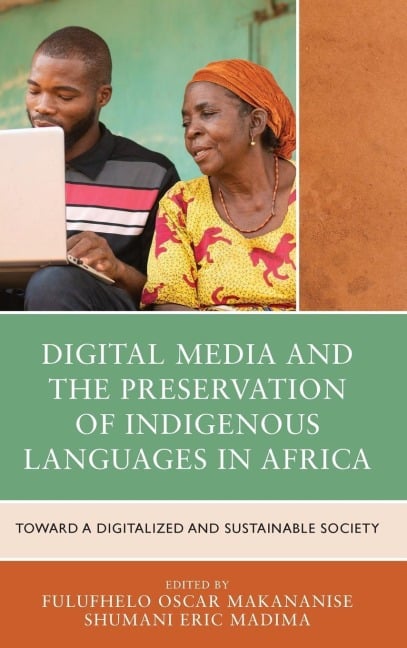
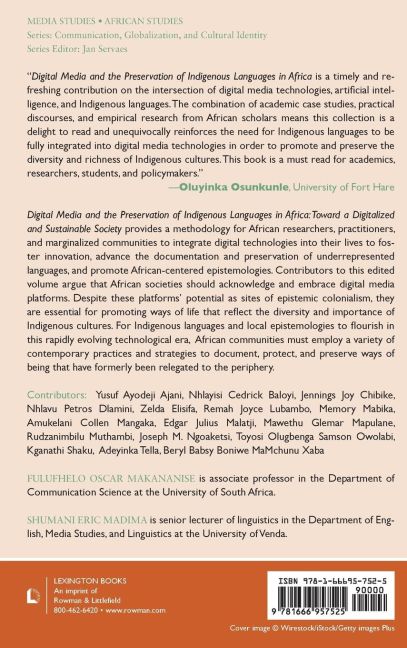
This edited volume argues that digital media technologies and platforms are essential for the preservation of Indigenous languages and African epistemologies in modern-day African societies. Contributors also provide a methodology for African researchers, practitioners, and marginalized communities to integrate digital technology into their lives.
Fulufhelo Oscar Makananise is associate professor in the Department of Communication Science at the University of South Africa. Shumani Eric Madima is senior lecturer of linguistics in the Department of English, Media Studies, and Linguistics at the University of Venda .
Introduction: Theorizing Digital Media and Epistemic Indigenous Languages Preservation for Sustainable Development in the Fourth Industrial Revolution by Fulufhelo Oscar Makananise and Shumani Eric Madima Part I: Digital Preservation, Epistemic African Knowledges, and the Fourth Industrial Revolution Chapter 1: Digital Preservation of Indigenous Languages and Participatory Epistemic Knowledge Systems of the Global South: Insights from South African Experiences by Fulufhelo Oscar Makananise Chapter 2: Indigenous Language Preservation and Promotion through Digital Media Technology in the Fourth Industrial Revolution by Yusuf Ayodeji Ajani, Adeyinka Tella, and Nhlavu Petros Dlamini Chapter 3: Positioning South African Indigenous Languages on Social Media Communication in the Fourth Industrial Revolution by Shumani Eric Madima Chapter 4: Computational Linguistics and Indigenous Languages: WhatsApp Emoji Use and the Reclamation of Shona and Ndebele Language and Culture by Jennings Joy Chibike Part II: Digital Media Strategies and Indigenous Language Preservation in the Fourth Industrial Revolution Chapter 5: Global Initiatives for Digital Preservation of Indigenous Languages in the Fourth Industrial Revolution by Adeyinka Tella and Joseph Ngoaketsi Chapter 6: Indigenous Language Development and Preservation in the Age of the Fourth Industrial Revolution by Remah Joyce Lubambo Chapter 7: Kivunjo Names and Naming as an Indigenous Language Preservation and Digitization Strategy by Zelda Elisifa Part III: Endangered Language Revitalization, Social Media Language Prospects, and Media Training Chapter 8: Using Social Media to Promote Indigenous Languages: Reality or Delusion: A Critical Review of Shona Facebook Television by Memory Mabika Chapter 9: Exploring the Role of Indigenous Languages in Journalism and Media Training in the Fourth Industrial Revolution Era by Toyosi Olugbenga Samson Owolabi Chapter 10: Indigenous Language Preservation, Challenges, and Opportunities in the Social Media Age by Mawethu Glemar Mapulane, Amukelani Collen Mangaka, Edgar Julius Malatji, Nhlayisi Cedrick Baloyi, and Rudzanimbilu Muthambi Part IV: Orality On Social Media, Indigenous Epistemic Cultures, and Minority Languages in Digital Media Chapter 11: Promotion Of Indigenous Languages and Culture through Social Media by Kganathi Shaku Chapter 12: Orality On Social Media Language: Linguistic Texts and Images Portraying Elements of Isizulu Folklore by Beryl Babsy Boniwe MaMchunu Xaba