Und dann auf "Zum Home-Bildschirm [+]".

Stöbern
genialokal zum Startbildschirm hinzufügen
Installieren Sie die genialokal App auf Ihrem Startbildschirm für einen schnellen Zugriff und eine komfortable Nutzung.
Installieren Sie die genialokal App auf Ihrem Startbildschirm für einen schnellen Zugriff und eine komfortable Nutzung.
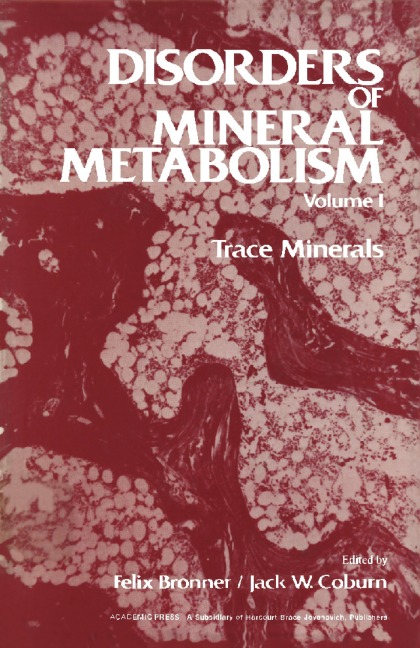
Disorders of Mineral Metabolism, Volume I: Trace Minerals covers the pathophysiology of clinically relevant minerals and elements. This volume focuses on minerals whose average daily intake is under 50 mg. This text is composed of 12 chapters that tackle the clinical relevance and essentiality of various trace minerals in the human body, with particular emphasis on the disorders due to their abnormal metabolism. The trace mineral and elements considered in this volume include iron, coppers, zinc, lead, nickel, manganese, chromium, molybdenum, cadmium, aluminum, tin, lithium, and fluoride. Each chapter discusses the properties, body requirements, analysis, nutritional interactions, and toxicity of the mineral. This book will prove useful to biochemists, pathophysiologists, and workers in the medical field.
-List of ContributorsPrefaceContents of Other Volumes1 Iron I. Inorganic Biochemistry II. Iron-Containing Proteins III. Iron Absorption IV. Internal Metabolism V. Methods Used for Clinical Investigation VI. Iron Deficiency VII. Iron Overload VIII. Metabolic Aberrations References2 Copper I. Normal Copper Metabolism II. Abnormal Copper Metablism References3 Zinc in Human Nutrition I. Introduction II. Biochemical Functions III. Experimental Deficiency in Laboratory Animals IV. Zinc Metabolism V. Assessment of Zinc Nutriture VI. Zinc in Foods VII. Zinc Requirements VIII. Human Zinc Deficiency IX. Experimental Zinc Deficiency in Man X. Nutritional Interactions and Toxicity References4 Lead I. Introduction II. Environmental Sources and Transport of Lead III. Human Exposure and Metabolism IV. Cellular Reactions to Lead V. Neurological Effects VI. Hematological Effects VII. Renal Effects VIII. Effects of Lead on Reproduction and Development IX. Effects on the Immune System X. Interactions with Other Minerals XI. Lead in Bone and Teeth XII. Clinical Recognition of Lead Toxicity XIII. Essentiality of Lead XIV. Treatment of Lead Toxicity References5 Nickel I. Introduction II. Nickel Metabolism III. Nickel Carbonyl Poisoning IV. Nickel Carcinogenesis V. Other Aspects of Nickel Toxicology VI. Summary References6 Manganese I. Introduction II. Analyses of Mn in Biological Materials III. Metabolism of Mn in Vitro IV. Mn Requirements in Normal Nutrition V. Absorption and Excretion of Mn VI. Mn Turnover-Specificity VII. Mn Deficiency VIII. Mn Excess IX. Susceptibility to Mn Poisoning X. Conclusions and Summary References7 Chromium I. Biological Role of Chromium in Mammals II. Chromium Metabolism III. Human Chromium Nutrition and Deficiency IV. Concluding Remarks References8 Molybdenum I. Introduction II. Dietary Intake and Body Burden III. Essentiality IV. Biochemistry V. Pharmacology VI. Toxicity References9 Cadmium I. Occurrence and Exposure II. Review of Effects III. Metabolism IV. Cadmium-Induced Renal Damage V. Effects on Vitamin D Metabolism VI. Effects on Bones References10 Aluminum and Tin I. Aluminum II. Tin References11 Lithium I. Chemistry II. Biology III. Pharmacokinetics IV. Interactions of Lithium with Specific Homeostatic Systems References12 Fluoride I. Introduction II. Fluoride Intake III. Absorption of Fluoride IV. Distribution V. Skeletal Deposition: Fluoride, A Bone Seeker VI. Mobilization VII. Excretion VIII. Pregnancy and the Fetus IX. Essentiality X. Cyclic Adenosine Monophosphate XI. Osteoporosis XII. Otosclerosis XIII. Some Toxic Fluoride Effects in Man XIV. Organic Fluoride ReferencesIndex