Und dann auf "Zum Home-Bildschirm [+]".

Stöbern
genialokal zum Startbildschirm hinzufügen
Installieren Sie die genialokal App auf Ihrem Startbildschirm für einen schnellen Zugriff und eine komfortable Nutzung.
Installieren Sie die genialokal App auf Ihrem Startbildschirm für einen schnellen Zugriff und eine komfortable Nutzung.

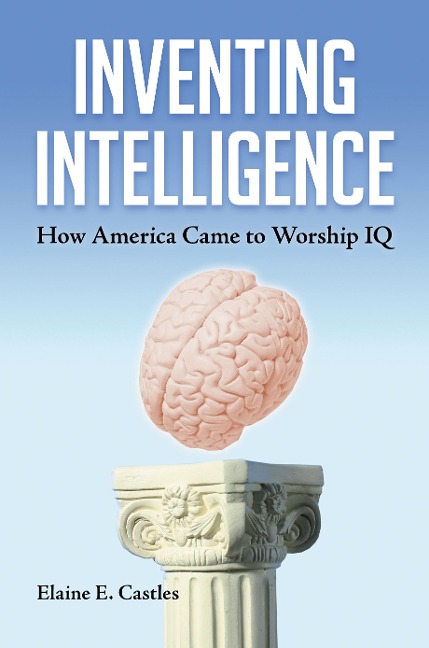
The use and misuse of IQ tests has long been a subject of contention in the scientific and social communities, particularly because these evaluations favor intelligence at the expense of other valuable human qualities. This is the first book of its kind to examine the historical development of our modern concept of intelligence and to explore America's fascination with the controversial exams that purport to measure it. Most of us assume that people in every period and in every region of the world have understood and valued intelligence in the same way we do today. Our modern concept of intelligence, however, is actually quite recent, emerging from the dramatic social and scientific changes that rocked the United States during the 19th century. Inventing Intelligence: How America Came to Worship IQ discusses the historical context for understanding the development of the concept of intelligence and the tests used to measure it. The author delves into the intertwined issues of IQ, heredity, and merit to offer a provocative look at how Americans came to overvalue IQ and the personal and social problems that have resulted.
Elaine E. Castles, PhD, is a licensed psychologist and the author of "We're People First": The Social and Emotional Lives of Individuals with Mental Retardation.
Preface
Acknowledgments
1. Worshipping at the Altar of IQ
2. Intelligence in Historical Context: The Colonial Experience
3. Science in Nineteenth-Century America: Intellect, Intelligence, and the Science of Man
4. Merit and Social Status in Nineteenth-Century America
5. Phrenology: A Precursor to IQ Testing
6. Intelligence and Its Measurement
7. IQ Testing, Social Control, and Merit
8. Democratic Ideology and IQ Testing
9. A Century of IQ Testing: The More Things Change, the More They Stay the Same
10. Toward a Broader Conception of Intelligence
11. Toward a More Balanced Perspective on Heredity and IQ
12. Toward a More Equitable Conception of Merit
Notes
Index