Und dann auf "Zum Home-Bildschirm [+]".

Stöbern
genialokal zum Startbildschirm hinzufügen
Installieren Sie die genialokal App auf Ihrem Startbildschirm für einen schnellen Zugriff und eine komfortable Nutzung.
Installieren Sie die genialokal App auf Ihrem Startbildschirm für einen schnellen Zugriff und eine komfortable Nutzung.
Ihr gewünschter Artikel ist in 0 Buchhandlungen vorrätig - wählen Sie hier eine Buchhandlung in Ihrer Nähe aus:

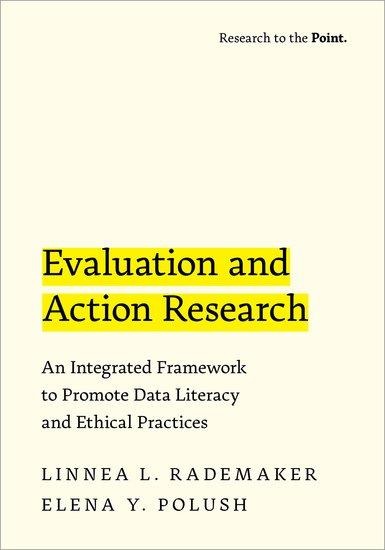
Today's societies require research approaches that are creative, sensitive to cultural and contextual diversity, rooted in engagement and critical dispositions, and situated within local contexts. Action research and evaluation are inquiries into and about human lives. Both modes generate actionable data in specific contexts to facilitate positive social change and to further social justice.
This book explores the potential of integrating action research and evaluation frameworks to encourage knowledge democracy, data literacy, and ethical practices. The authors draw a clear connection between program enactment and program goals, investigating the processes of design, qualitative and quantitative data collection, and analysis, and mixed methods considerations. Key questions include: why is new research paradigm needed? How do we define data literacy? How do we understand equitable societies? Working from the belief that knowledge is created constantly in our world by those in real-world settings and practical contexts, Evaluation and Action Research provides practitioners with an accessible guide to better inform practice and decision making.
Linnea L. Rademaker is Professor in the School of Educational Leadership at Abilene Christian University. She currently leads educational leadership doctoral students towards completed dissertations and has designed and taught courses in qualitative and action research, as well as organizational evaluation and assessment.
Elena Y. Polush is a Lecturer in the School of Educational at Iowa State University. She has been active in teaching research methods, evaluation, and assessment courses since 2009, and she has also conducted extensive evaluation work on the federal and state level.
- Preface
- Chapter 1. Evaluation/Action Research Integrated Framework: Participative and Collaborative
- Chapter 2. Determining a Purpose and a Focus
- Chapter 3. Getting Down to the Design: Determining Our Examination Main Questions and Appropriate Designs
- Chapter 4. Qualitative Data Collection/Quantitative Data Collection; Mixed-Methods Considerations
- Chapter 5. Ethical Challenges in Action Research and Evaluation: Reflecting on Tensions
- Interlude: Preface to Data Analysis and Informing Data Literacy
- Chapter 6. Qualitative Data Analysis
- Chapter 7. Quantitative Data Analysis
- Chapter 8. Mixed-Methods: Integrating Data Analyses to Gain Comprehensive Understanding of Problems, Contexts, and Stakeholder Needs
- Chapter 9. Revisiting Our Integrated Model: Focus on Facilitating Social Justice and Equitable Societies
- Glossary
- References