Und dann auf "Zum Home-Bildschirm [+]".

Stöbern
genialokal zum Startbildschirm hinzufügen
Installieren Sie die genialokal App auf Ihrem Startbildschirm für einen schnellen Zugriff und eine komfortable Nutzung.
Installieren Sie die genialokal App auf Ihrem Startbildschirm für einen schnellen Zugriff und eine komfortable Nutzung.
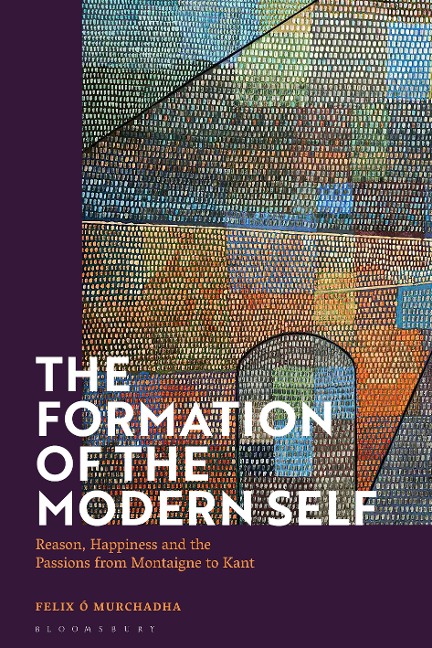
Charting a genealogy of the modern idea of the self, Felix Ó Murchadha explores the accounts of self-identity expounded by key Early Modern philosophers, Montaigne, Descartes, Pascal, Spinoza, Hume and Kant. The question of the self as we would discuss it today only came to the forefront of philosophical concern with Modernity, beginning with an appeal to the inherited models of the self found in Stoicism, Scepticism, Augustinianism and Pelagianism, before continuing to develop as a subject of philosophical debate.
Exploring this trajectory, The Formation of the Modern Self pursues a number of themes central to the Early Modern development of selfhood, including, amongst others, grace and passion. It examines on the one hand the deep-rooted dependence on the divine and the longing for happiness and salvation and, on the other hand, the distancing from the Stoic ideal of apatheia, as philosophers from Descartes to Spinoza recognised the passions as essential to human agency.
Fundamental to the new question of the self was the relation of faith and reason. Uncovering commonalities and differences amongst Early Modern philosophers, Ó Murchadha traces how the voluntarism of Modernity led to the sceptical approach to the self in Montaigne and Hume and how this sceptical strand, in turn, culminated in Kant's rational faith.
More than a history of the self in philosophy, The Formation of the Modern Self inspires a fresh look at self-identity, uncovering not only how our modern idea of selfhood developed but just how embedded the concept of self is in external considerations: from ethics, to reason, to religion.
Felix Ó Murchadha is Professor of Philosophy at the National University of Ireland, Galway, Ireland. Previous books and articles include The Time of Revolution (Bloomsbury, 2013), A Phenomenology of Christian Life (2013), and 'The Passionate Self and the Religiosity of Phenomena' in The Journal of Speculative Philosophy (2019).
Acknowledgements
Introduction
Chapter 1: Four Faces of the Self in the Emergence of Modernity
Chapter 2: Montaigne: Sceptical Alterity
Chapter 3: Descartes, Pascal and the Ambiguity of the Self
Chapter 4: Spinoza and Hume on the Good Life
Chapter 5: Desire, Aporia and Reason in Kant
Chapter 6: Kant on the Heart, Evil and Grace
Conclusion
Dieses eBook wird im PDF-Format geliefert und ist mit einem Adobe Kopierschutz (DRM) versehen. Sie können dieses eBook mit allen Geräten lesen, die das PDF-Format und den Adobe Kopierschutz (DRM) unterstützen.
Zum Beispiel mit den folgenden Geräten:
• tolino Reader
Laden Sie das eBook direkt über den Reader-Shop auf dem tolino herunter oder übertragen Sie das eBook auf Ihren tolino mit einer kostenlosen Software wie beispielsweise Adobe Digital Editions.
• Sony Reader & andere eBook Reader
Laden Sie das eBook direkt über den Reader-Shop herunter oder übertragen Sie das eBook mit der kostenlosen Software Sony READER FOR PC/Mac oder Adobe Digital Editions auf ein Standard-Lesegeräte mit epub- und Adobe DRM-Unterstützung.
• Tablets & Smartphones
Möchten Sie dieses eBook auf Ihrem Smartphone oder Tablet lesen, finden Sie hier unsere kostenlose Lese-App für iPhone/iPad und Android Smartphone/Tablets.
• PC & Mac
Lesen Sie das eBook direkt nach dem Herunterladen mit einer kostenlosen Lesesoftware, beispielsweise Adobe Digital Editions, Sony READER FOR PC/Mac oder direkt über Ihre eBook-Bibliothek in Ihrem Konto unter „Meine eBooks“ - „online lesen“.
Schalten Sie das eBook mit Ihrer persönlichen Adobe ID auf bis zu sechs Geräten gleichzeitig frei.
Bitte beachten Sie, dass die Kindle-Geräte das Format nicht unterstützen und dieses eBook somit nicht auf Kindle-Geräten lesbar ist.