Und dann auf "Zum Home-Bildschirm [+]".

Stöbern
genialokal zum Startbildschirm hinzufügen
Installieren Sie die genialokal App auf Ihrem Startbildschirm für einen schnellen Zugriff und eine komfortable Nutzung.
Installieren Sie die genialokal App auf Ihrem Startbildschirm für einen schnellen Zugriff und eine komfortable Nutzung.
Ihr gewünschter Artikel ist in 0 Buchhandlungen vorrätig - wählen Sie hier eine Buchhandlung in Ihrer Nähe aus:

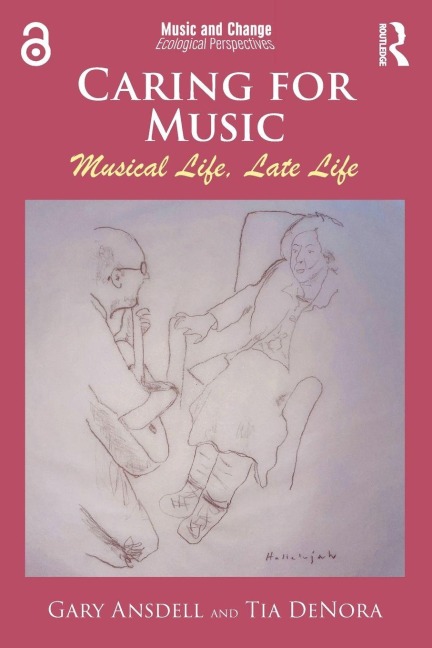
Caring for Music describes musical life in Hill House, a residential care home and the site of the AHRC Care for Music research project (https://careformusic.org/) which ran from 2018-2023. The book's primary aim is to let the people and situations involved show readers, from the inside of musical engagement, what can happen when music is present in scenes of care in late life - when people care for music. Watching what happens when music happens can illuminate how people in situations of residential care, whether they are residents, care staff, friends, loved ones or researchers, can enjoy good moments together - meaningful, creative, festive, beautiful, mutually supportive. At the same time, the book cautions against the tendency of painting a too-rosy picture of music's powers to 'fix' things. It offers an alternate model of music as a medium of connection. The book suggests that much can be gained by rethinking the dominant model within the literature on music and late life, dementia, health. It proposes a perspective in which music is not for 'people with disabilities' but instead a medium - of pleasure, meaning, beauty and relationship - that is enacted jointly.
Gary Ansdell is an experienced music therapist, trainer, researcher and author. He is currently an Associate of Nordoff and Robbins UK and Honorary Professor at Exeter University. His research centres on the tradition of Nordoff-Robbins music therapy and Community Music Therapy. He lives in Norwich, UK, where he works in a care home as a music therapist and is also a deputy singer in the Norwich cathedral choir. Gary is author/co-author of seven books on music therapy/music and health and joint editor (with Tia DeNora) of the Routledge book series Music and Change. Tia DeNora is Professor of Sociology at the University of Exeter. Her research is in music sociology, music and wellbeing, science and technology studies, social theory and research methods. She collaborated with Gary Ansdell, Wolfgang Schmid and Fraser Simpson on the Care for Music Project. She has published widely on music and mental health, cultural theory, historical musicology, hope, health technology and research methods. She is a Fellow of the British Academy.
Introduction: Gentle methods Chapter One. Setting the Scene Chapter Two. Capability Chapter Three. Moving Chapter Four. Remebering Chapter Five. Personhood Chapter Six. Reaching Chapter Seven. Home Chapter Eight. Late Life Chapter Nine. Afterward: Just Music?