Und dann auf "Zum Home-Bildschirm [+]".

Stöbern
genialokal zum Startbildschirm hinzufügen
Installieren Sie die genialokal App auf Ihrem Startbildschirm für einen schnellen Zugriff und eine komfortable Nutzung.
Installieren Sie die genialokal App auf Ihrem Startbildschirm für einen schnellen Zugriff und eine komfortable Nutzung.

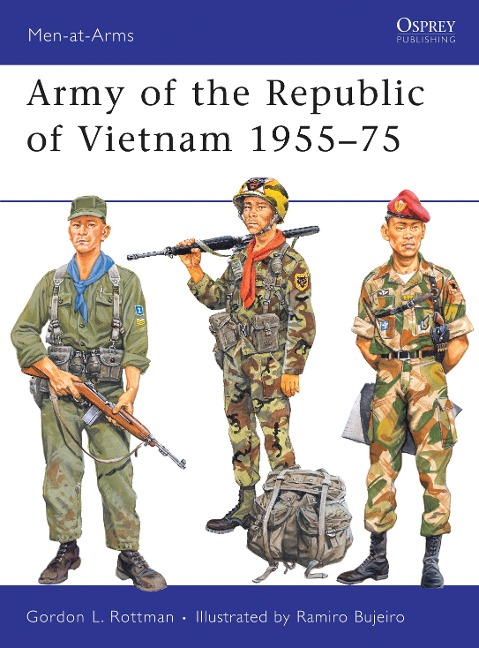
This book discusses the original reorganization of these forces into the first national army, evolved from the colonial units created by the French.
Complete with a detailed history of the command structure and orders of battle, the author also sheds light on the little known divisional histories of the army through rare, original source material. Moreover, the author examines in detail the evolution of such key units as armoured forces, ranger commands as well as combat unit organisation.
This together with a detailed analysis of the experiences of the typical rank and file soldier as well as officer corps provides a concise and detailed history of an army that is too often neglected or quickly judged.
Gordon L. Rottman entered the US Army in 1967, volunteered for Special Forces and completed training as a weapons specialist. He served in the 5th Special Forces Group in Vietnam in 1969-70 and subsequently in airborne infantry, long-range patrol and intelligence assignments until retiring after 26 years. He was a Special Operations Forces scenario writer at the Joint Readiness Training Center for 12 years and is now a freelance writer, living in Texas.
Ramiro Bujeiro has become a frequent and popular contributor to Osprey since illustrating Warrior 23:US Marine in Vietnam 1965-73 (1998). He is an experienced commercial artist who lives and works in his native city of Buenos Aires, Argentina. His professional background includes commissions as a figure illustrator and strip cartoonist for clients all over Europe, the Americas and in Great Britain.
Introduction
Historical Background
Command Structure
Divisional Histories
Armored Forces
Ranger Command
Non-divisional Units
Combat Unit Organization
ARVN Weapons and Equipment
The ARVN Soldier
The Advisors
Conclusion