Und dann auf "Zum Home-Bildschirm [+]".

Stöbern
genialokal zum Startbildschirm hinzufügen
Installieren Sie die genialokal App auf Ihrem Startbildschirm für einen schnellen Zugriff und eine komfortable Nutzung.
Installieren Sie die genialokal App auf Ihrem Startbildschirm für einen schnellen Zugriff und eine komfortable Nutzung.
Ihr gewünschter Artikel ist in 0 Buchhandlungen vorrätig - wählen Sie hier eine Buchhandlung in Ihrer Nähe aus:

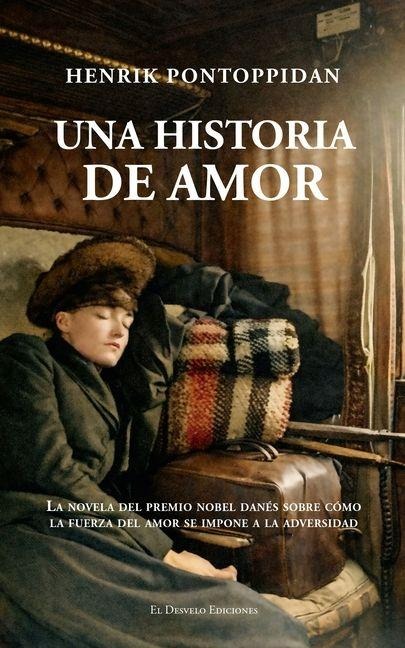
In a small Swiss village, Gabriel Vadum and Ingrid live in seclusion, anonymous. Gabriel, a philosopher ruined by his own existential aridity, finds in Ingrid the only way to soften his armor against the world. She, who abandoned her family in Denmark to follow this passionate love, now faces the reality of her decision and the longing for her children. Through this encounter, the work examines the inner transformation of a male protagonist incapable of love and the strength of a woman who defies social and religious norms to achieve her fulfillment. The text avoids the melodramatic formulas of the era, opting for an expressive restraint that allows us to observe the complexity of its protagonists without judgment or moral lessons. The arrival of some compatriots at the hotel where they are staying triggers a necessary crisis: can love survive when the past reclaims its place? This narrative, recovered from its original 1918 edition, unfolds as a reflection on the ethics of the individual in the face of society, where passion appears as a redeeming force, even if it carries a heavy burden of guilt and rootlessness. The plot is sustained by constant psychological tension, where silences and everyday dialogues reveal hidden truths, painting the portrait of a man who, at last, discovers his humanity upon seeing himself reflected in the gaze of the one who has sacrificed everything for him.
Henrik Pontopiddan (1857-1943), hijo de un pastor luterano, nació y creció en Jutlandia, en un medio muy influido por las ideas de Nicolai Frederik Severin Grundvigt, que fusionaban un luteranismo muy estricto con un nacionalismo danés muy acentuado. Henrik quiso distanciarse ya desde muy joven de ese ambiente religioso, y se interesó por los movimientos de emancipación social; viajó a Suiza en 1876 y a la vuelta de ese viaje empezó a estudiar ingeniería, pero abandonó esos estudios para dedicarse a escribir. En 1917 ganó el Premio Nobel de Literatura (compartido con Karl Gjellerup). Los demás escritores estuvieron de acuerdo con las palabras de Thomas Mann, quien afirmó que el danés era un 'poeta épico nato, un conservador que ha preservado para nosotros el gran estilo de la novela'. Pontoppidan decía de sí mismo, en cambio, que era un narrador tradicional. La realidad es que ningún otro novelista danés ha logrado una tan precisa interpretación de su propia sociedad y de los tiempos que le tocó vivir. Pontoppidan es un escritor muy poco conocido en España, pese a ser uno de los grandes de la literatura europea, admirado entre otros por Thomas Mann (que reconoció la influencia que sus novelas tuvieron en Los Budenbrook), Ernst Bloch o Georg Lukács (que en su Teoría de la novela analiza Per el afortunado, la compara a la novelas de Flaubert y la toma como ejemplo de transformación psicológica y de distanciamiento narrativo e ironía).