Und dann auf "Zum Home-Bildschirm [+]".

Stöbern
genialokal zum Startbildschirm hinzufügen
Installieren Sie die genialokal App auf Ihrem Startbildschirm für einen schnellen Zugriff und eine komfortable Nutzung.
Installieren Sie die genialokal App auf Ihrem Startbildschirm für einen schnellen Zugriff und eine komfortable Nutzung.
Ihr gewünschter Artikel ist in 0 Buchhandlungen vorrätig - wählen Sie hier eine Buchhandlung in Ihrer Nähe aus:

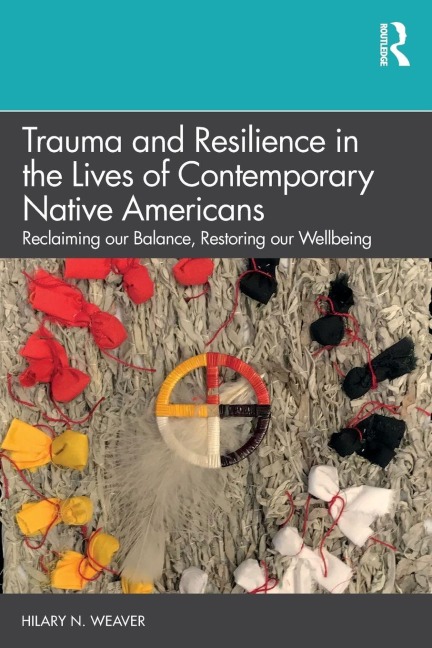
This book draws on theoretical, conceptual, and evidence-based scholarship as well as interviews with scholars immersed in Indigenous wellbeing, to examine contemporary issues for Native Americans.
Hilary N. Weaver, DSW (Lakota) is a Professor and Associate Dean for Academic Affairs in the School of Social Work, University at Buffalo (State University of New York). She received her BS from Antioch College in social work with a cross-cultural studies focus and her MSW and DSW from Columbia University. Her teaching, research, and service focus on cultural issues in the helping process with an emphasis on Indigenous populations. Dr Weaver received funding from the National Cancer Institute to develop and test a culturally grounded wellness curriculum for urban Native American youth-the Healthy Living in Two Worlds program. She is a member of NASW and CSWE, and currently serves as President of the Indigenous and Tribal Social Work Educators' Association (formerly American Indian Alaska Native Social Work Educators' Association). Dr Weaver has presented her work regionally, nationally, and internationally, including presenting at the Permanent Forum on Indigenous Issues at the United Nations in 2005-2008 and 2013-2018.
Introduction; Chapter 1: Examining the Impact of Trauma; Chapter 2: A Brief History of Native Americans; Chapter 3: Contemporary Experiences of Native Americans; Chapter 4: Our Hopes for the Future: The Wellbeing of Indigenous Children and Families; Chapter 5: Holders of Knowledge and Protectors of Communities: The Wellbeing of Elders and Veterans; Chapter 6: Education for a Contemporary World: Learning and Knowing from Indigenous and Non-Indigenous Perspectives; Chapter 7: To be Well: Explorations of Health and Balance; Chapter 8: The Wellbeing of Communities, Peoples, and the Natural World; Conclusion; References; Index