Und dann auf "Zum Home-Bildschirm [+]".

Stöbern
genialokal zum Startbildschirm hinzufügen
Installieren Sie die genialokal App auf Ihrem Startbildschirm für einen schnellen Zugriff und eine komfortable Nutzung.
Installieren Sie die genialokal App auf Ihrem Startbildschirm für einen schnellen Zugriff und eine komfortable Nutzung.
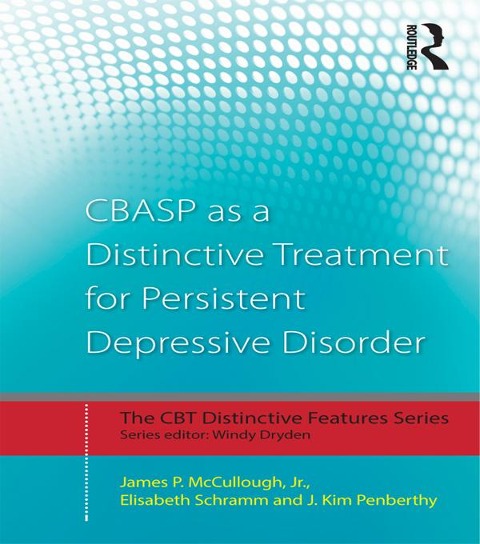
The Cognitive Behavioural Analysis System of Psychotherapy (CBASP) is the only psychotherapy model developed specifically for chronic depression. In the latest addition to the successful Distinctive Features series, the developer of CBASP, James P. McCullough Jr., along with Elisabeth Schramm and J. Kim Penberthy, provides an accessible introduction to this approach, showing how it differs from other cognitive behavioural approaches, and highlighting those features - both theoretical and practical - that make it unique. The unparalleled problems of the chronically depressed patient are some of the most difficult that practitioners face. The disorder has usually continued for a decade or more and patients enter psychotherapy interpersonally withdrawn, detached and with little or no motivation to change. CBASP as A Distinctive Treatment for Persistent Depressive Disorder provides a new look into the phenomenological world of the patient and shows the reader why the world-view of the patient is a valid perception of reality. CBASP is designed to address the problems of the patient in a step-by-step manner. This book explores the therapist role and shows how the CBASP model enables therapists to address the patient's depression in a zone of interpersonal safety. Patients are taught how to behave in an interpersonally facilitative manner and shown how everything they do has consequences for others (including the therapist) and on the social environment in which they live. CBASP as A Distinctive Treatment for Persistent Depressive Disorder will be essential reading for novice and experienced CBT therapists, counselors and psychotherapists treating chronic depression.
James P. McCullough, Jr. is Distinguished Professor of Psychology and Psychiatry at Virginia Commonwealth University. Elisabeth Schramm is Professor at the University Medical Centre, Freiburg, Germany. J. Kim Penberthy is Associate Professor in Psychiatry and Neurobehavioral Sciences, University of Virginia School of Medicine, Charlottesville, VA, USA.
Part I: Distinctive Theoretical Features of the CBASP Model. Distinctive History of CBASP. Distinctive Terminology of the CBASP Model. Distinctive Theoretical Foundations of CBASP. Distinctive Psychopathology of the Chronic Patient. The Fear-Avoidance Problem. Perceptual Disconnection from Others. Distinctive Goals of CBASP Treatment. Distinctive Psychotherapist Role in Disciplined Personal Involvement. Distinctive Utilization of the Transference Hypothesis Strategy. Distinctive CBASP Interpersonal Discrimination Exercise. Distinctive Psychotherapist Role as Choreographer of Consequences. Distinctive CBASP Situational Analysis Exercise. Preparing Pre-therapy Patients to Learn Using Contingent Personal Responsivity. Participant Role of the Patient in CBASP. Optimal Characteristics of CBASP Therapists. Distinctive Structural Format of the CBASP Sessions. Part II: The Practical/Clinical Features of CBASP. Unique Procedure of CBASP to Diagnose PDD. Don't Overestimate the Preoperational Patient. Choreographing In-Session Contingencies so Patients Learn. Administering Disciplined Personal Involvement in CBASP. How to Determine the DPI Role with Patients. Session 2: The Significant Other History and Transference Hypothesis Construction. The Interpersonal Discrimination Exercise and CBASP Treatment Goal One. Situational Analysis: Elicitation Phase of SA. Situational Analysis: Remediation Phase of SA. Situational Analysis Example and CBASP Treatment Goal Two: Case One. Situational Analysis Examples: Case Two and Three. Educating Patients to Manage a Lifetime Disorder. Operationalized Learning Goals of CBASP: IDE & SA. CBASP Case Description: (Part A). CBASP Case Discussion (Part B)
Dieses eBook wird im PDF-Format geliefert und ist mit einem Adobe Kopierschutz (DRM) versehen. Sie können dieses eBook mit allen Geräten lesen, die das PDF-Format und den Adobe Kopierschutz (DRM) unterstützen.
Zum Beispiel mit den folgenden Geräten:
• tolino Reader
Laden Sie das eBook direkt über den Reader-Shop auf dem tolino herunter oder übertragen Sie das eBook auf Ihren tolino mit einer kostenlosen Software wie beispielsweise Adobe Digital Editions.
• Sony Reader & andere eBook Reader
Laden Sie das eBook direkt über den Reader-Shop herunter oder übertragen Sie das eBook mit der kostenlosen Software Sony READER FOR PC/Mac oder Adobe Digital Editions auf ein Standard-Lesegeräte mit epub- und Adobe DRM-Unterstützung.
• Tablets & Smartphones
Möchten Sie dieses eBook auf Ihrem Smartphone oder Tablet lesen, finden Sie hier unsere kostenlose Lese-App für iPhone/iPad und Android Smartphone/Tablets.
• PC & Mac
Lesen Sie das eBook direkt nach dem Herunterladen mit einer kostenlosen Lesesoftware, beispielsweise Adobe Digital Editions, Sony READER FOR PC/Mac oder direkt über Ihre eBook-Bibliothek in Ihrem Konto unter „Meine eBooks“ - „online lesen“.
Schalten Sie das eBook mit Ihrer persönlichen Adobe ID auf bis zu sechs Geräten gleichzeitig frei.
Bitte beachten Sie, dass die Kindle-Geräte das Format nicht unterstützen und dieses eBook somit nicht auf Kindle-Geräten lesbar ist.