Und dann auf "Zum Home-Bildschirm [+]".

Stöbern
genialokal zum Startbildschirm hinzufügen
Installieren Sie die genialokal App auf Ihrem Startbildschirm für einen schnellen Zugriff und eine komfortable Nutzung.
Installieren Sie die genialokal App auf Ihrem Startbildschirm für einen schnellen Zugriff und eine komfortable Nutzung.
Ihr gewünschter Artikel ist in 0 Buchhandlungen vorrätig - wählen Sie hier eine Buchhandlung in Ihrer Nähe aus:

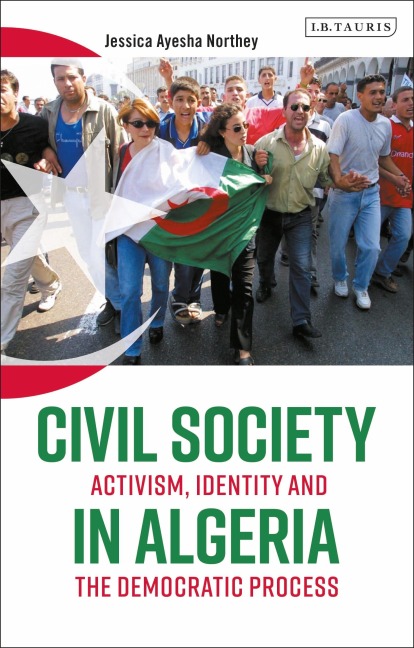
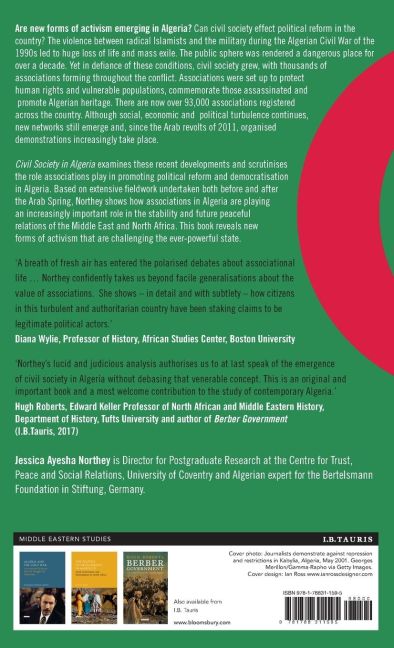
Are new forms of activism emerging in Algeria? Can civil society effect political reform in the country? The violence between radical Islamists and the military in the 1990s led to huge loss of life and mass exile. The public sphere was rendered a dangerous place for over a decade. Yet in defiance of these conditions, civil society grew, with thousands of associations forming throughout the conflict. Associations were set up to protect human rights and vulnerable populations, commemorate those assassinated and promote Algerian heritage. There are now over 93,000 associations registered across the country. Although social, economic and political turbulence continues, new networks still emerge and, since the Arab revolts of 2011, organised demonstrations increasingly take place. Civil Society in Algeria examines these recent developments and scrutinizes the role associations play in promoting political reform and democratization in Algeria. Based on extensive fieldwork undertaken both before and after the Arab Spring, the book shows how associations challenge government policy in the public sphere. Algeria is playing an increasingly important role in the stability and future peaceful relations of the Middle East and North Africa. This book reveals the new forms of activism that are challenging the ever-powerful state. It is a valuable resource for Algeria specialists and for scholars researching political reform and democratization across the Middle East and North Africa.
Jessica Ayesha Northey is the Director of Postgraduate at the Centre for Trust, Peace and Social Relatios at the University of Coventry, UK.
Acknowledgements Introduction PART I Civil Society and Democracy Promotion in the Arab World Chapter 1 Civil Society in the Arab World and Algeria Associations in the Arab World Civil Society and Democracy Perceptions of Civil Society in Algeria Associative Activism in a Post-Conflict Environment Conclusion Chapter 2 International Donors and Democracy Promotion Development Paradigms and the Language of Donors Regional Variations in EU Support to Civil Society Civil Society Support in the MENA Region: Algeria, Palestine and Lebanon Conclusion PART II Algerian Civil Society and Relations with the State Chapter 3 Historical Perspectives on Civil Society in Algeria Traditional Civil Society and the Impact of Colonialism Civil Society in an Independent Algeria Democratic Opening and the Black Decade Conclusion Chapter 4 Civil Society and the State State-Society Relations and the Failure of Dialogue The Arab Spring, Associative Action and State Responses Civil Society and the 2012 Law on Associations Conclusion Chapter 5 Associations in Algeria A New Typology of Associations The Regional Focus of Algerian Associations The Sector Focus of Algerian Associations Conclusion Chapter 6 Algerian Associations Protecting the Past Heritage Associations in Algeria Associations and Urban History Preserving Roman History in Algeria Algeria's Archaeological Past Religious Heritage and Traditions Conclusion Chapter 7 Algerian Associations and Social Welfare Social Sector Associations in Algeria Social Work, Disability and New Voices in Oran Contesting State Provision in Kabylia Associations, Faith and Health Care in El Oued Dealing with Trauma Conclusion PART III Donors, Democracy and the Language of Others Chapter 8 Europe, Civil Society and Democracy in Algeria European Diplomacy in Algeria European Union Programmes in Algeria European Support to Algerian civil society Conclusion Chapter 9. Language and the Construction of Civil Society The Performative Effect of Language Historical Narratives Language Policies and the Public Sphere Conclusion Conclusion Notes Bibliography