Und dann auf "Zum Home-Bildschirm [+]".

Stöbern
genialokal zum Startbildschirm hinzufügen
Installieren Sie die genialokal App auf Ihrem Startbildschirm für einen schnellen Zugriff und eine komfortable Nutzung.
Installieren Sie die genialokal App auf Ihrem Startbildschirm für einen schnellen Zugriff und eine komfortable Nutzung.
Ihr gewünschter Artikel ist in 0 Buchhandlungen vorrätig - wählen Sie hier eine Buchhandlung in Ihrer Nähe aus:

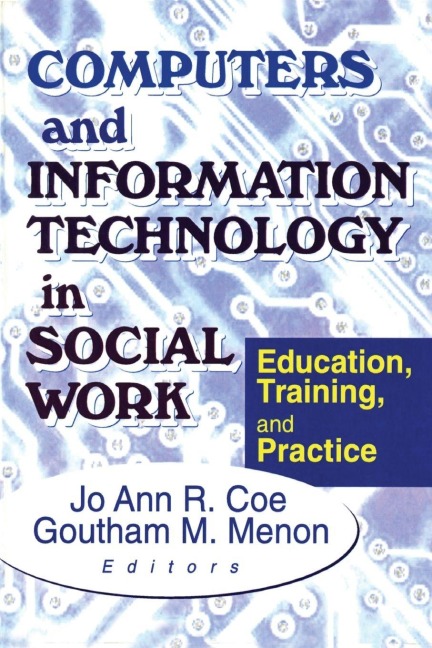
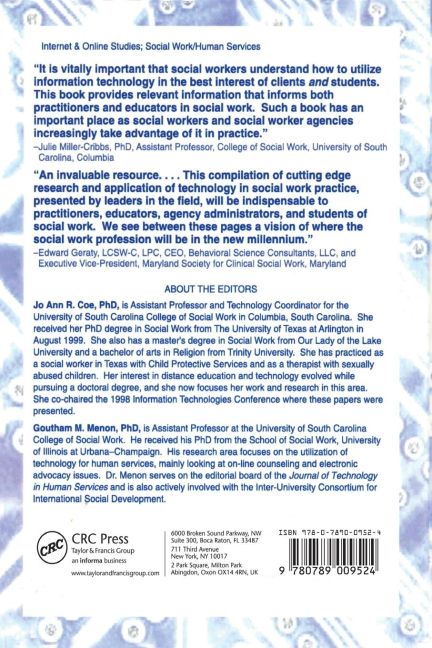
Computers and Information Technology in Social Work: Education, Training, and Practice discusses the impact that recent technological advances have had on social work practice and education. Social workers and educators will discover ideas and projects that were presented at a week long conference presented at the University of South Carolina College of Social Work. This unique book covers a wide range of topics, such as different aspects of technology applied to assist those in helping professions, how computers can be used in child protective cases in order to practice more effectively, social services via videoconferencing, and much more.
Jo Ann R Coe, Goutham M Menon
Contents Introduction, Impact of Information Technologies on Social Work Practice, Using Case-Based Reasoning to Develop Computerized Guidance for Effective Practice, Direct Service Application of Videoconferencing Technologies: Case Examples from Korea and the United States, Utilizing and Evaluating ITV Workshops for Rural Community Leadership Training, The Application of Artificial Neural Networks for Outcome Prediction in a Cohort of Severely Mentally Ill Outpatients, Fashionably Late? Social Work and Television Production, Technology Investment Trends, Impact of Information Technologies on Social Work Education, Moving Toward Technology-Supported Instruction in Human Service Practice: The "Virtual Classroom", Internet-Based Instruction as an Innovative Approach to Managing Prerequisite Curriculum Content in a Graduate Social Work Program, The Virtual Community: Computer Conferencing for Teaching and Learning Social Work Practice, Computer-Facilitated Instructional Strategies for Education: Designing WebQuests, Perspectives from Consumers (Students) in a Distance Education Program, Reframing from Site Bias to Site Identity: Pedagogic Issues in Delivering Social Work Courses via Interactive Television, Index ,