Und dann auf "Zum Home-Bildschirm [+]".

Stöbern
genialokal zum Startbildschirm hinzufügen
Installieren Sie die genialokal App auf Ihrem Startbildschirm für einen schnellen Zugriff und eine komfortable Nutzung.
Installieren Sie die genialokal App auf Ihrem Startbildschirm für einen schnellen Zugriff und eine komfortable Nutzung.

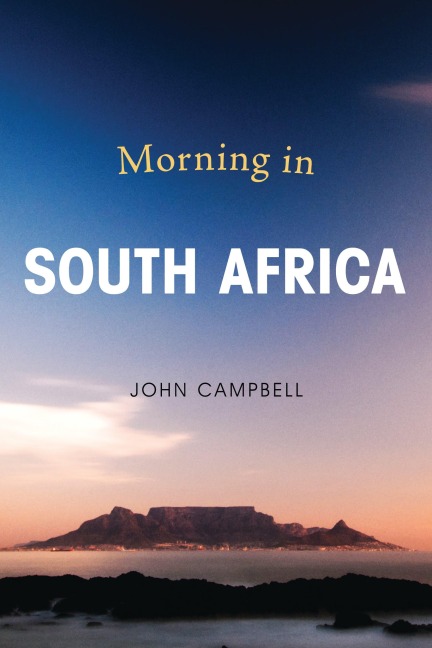
This incisive, deeply informed book introduces post-apartheid South Africa to an international audience. South Africa has a history of racism and white supremacy. This crushing historical burden continues to resonate today. Under President Jacob Zuma, South Africa is treading water. Nevertheless, despite calls to undermine the 1994 political settlement characterized by human rights guarantees and the rule of law, distinguished diplomat John Campbell argues that the country's future is bright and that its democratic institutions will weather its current lackluster governance.
The book opens with an overview to orient readers to South Africa's historical inheritance. A look back at the presidential inaugurations of Nelson Mandela and Jacob Zuma and Mandela's funeral illustrates some of the ways South Africa has indeed changed since 1994. Reviewing current demographic trends, Campbell highlights the persistent consequences of apartheid. He goes on to consider education, health, and current political developments, including land reform, with an eye on how South Africa's democracy is responding to associated thorny challenges. The book ends with an assessment of why prospects are currently poor for closer South African ties with the West. Campbell concludes, though, that South Africa's democracy has been surprisingly adaptable, and that despite intractable problems, the black majority are no longer strangers in their own country.
John Campbell is the Ralph Bunche Senior Fellow for Africa Policy Studies at the Council on Foreign Relations in New York. He entered the U.S. Foreign Service as a political officer in 1975 and served at the American embassy in Pretoria/Cape Town from 1993 to 1996. His books include Nigeria: Dancing on the Brink.
Introduction
Chapter 1: The Argument
Chapter 2: The Historical Trajectory
Chapter 3: Two Inaugurations and a Funeral
Chapter 4: Benchmark: Where is South Africa After "Non-Racial Democracy?"
Chapter 5: Poverty, Education, and Health
Chapter 6: Land
Chapter 7: Governance
Chapter 8: The Bilateral Relationship between the United States and South Africa
Conclusion
Notes
About the Author