Und dann auf "Zum Home-Bildschirm [+]".

Stöbern
genialokal zum Startbildschirm hinzufügen
Installieren Sie die genialokal App auf Ihrem Startbildschirm für einen schnellen Zugriff und eine komfortable Nutzung.
Installieren Sie die genialokal App auf Ihrem Startbildschirm für einen schnellen Zugriff und eine komfortable Nutzung.
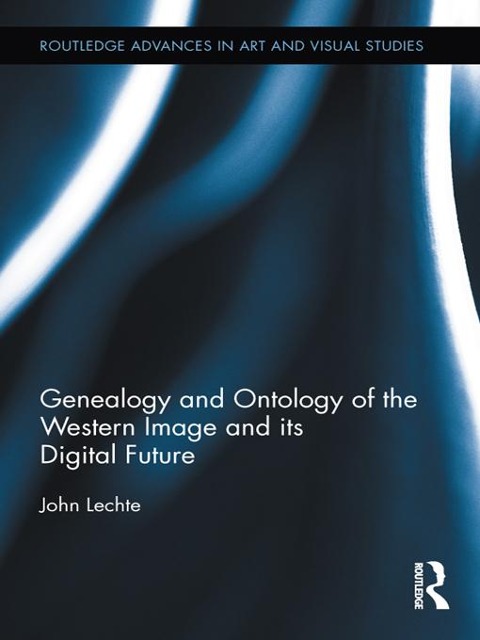
With the emerging dominance of digital technology, the time is ripe to reconsider the nature of the image. Some say that there is no longer a phenomenal image, only disembodied information (0-1) waiting to be configured. For photography, this implies that a faith in the principle of an "evidential force" - of the impossibility of doubting that the subject was before the lens - is no longer plausible. Technologically speaking, we have arrived at a point where the manipulation of the image is an ever-present possibility, when once it was difficult, if not impossible. What are the key moments in the genealogy of the Western image which might illuminate the present status of the image? And what exactly is the situation to which we have arrived as far as the image is concerned? These are the questions guiding the reflections in this book. In it we move, in Part 1, from a study of the Greek to the Byzantine image, from the Renaissance image and the image in the Enlightenment to the image as it emerges in the Industrial Revolution. Part 2 examines key aspects of the image today, such as the digital and the cinema image, as well as the work of philosophers of the image, including: Roland Barthes, Walter Benjamin, Gilles Deleuze, Jean-Paul Sartre and Bernard Stiegler.
John Lechte is professor in Sociology at Macquarie University, Sydney, where he teaches and researches in social and European cultural theory. He has published widely on issues relating to the image and the arts and is well known for his books on Julia Kristeva and his widely acclaimed Fifty Key Contemporary Thinkers.
Introduction: 'Genealogy', 'Ontology', 'Western Image' and the 'Digital' Part 1:Genealogy and Ontology (Paradigms) 1. The Image in Plato and the Greek World 2. The Byzantine Image 3. The Renaissance Image 4. Transparency and Opacity: The Image in Rousseau, Diderot, Hume and Kant 5. The Industrial Image Part 2:The Image in Photography and Cinema and its Digital Future 6. Some Fallacies and Truths Concerning the Image in Old and New Media 7. Barthes and Benjamin on the Photographic Image and Time 8. The Image and Beauty in Relation to Visual Digital Art 9. The Time-Image
Dieses eBook wird im PDF-Format geliefert und ist mit einem Adobe Kopierschutz (DRM) versehen. Sie können dieses eBook mit allen Geräten lesen, die das PDF-Format und den Adobe Kopierschutz (DRM) unterstützen.
Zum Beispiel mit den folgenden Geräten:
• tolino Reader
Laden Sie das eBook direkt über den Reader-Shop auf dem tolino herunter oder übertragen Sie das eBook auf Ihren tolino mit einer kostenlosen Software wie beispielsweise Adobe Digital Editions.
• Sony Reader & andere eBook Reader
Laden Sie das eBook direkt über den Reader-Shop herunter oder übertragen Sie das eBook mit der kostenlosen Software Sony READER FOR PC/Mac oder Adobe Digital Editions auf ein Standard-Lesegeräte mit epub- und Adobe DRM-Unterstützung.
• Tablets & Smartphones
Möchten Sie dieses eBook auf Ihrem Smartphone oder Tablet lesen, finden Sie hier unsere kostenlose Lese-App für iPhone/iPad und Android Smartphone/Tablets.
• PC & Mac
Lesen Sie das eBook direkt nach dem Herunterladen mit einer kostenlosen Lesesoftware, beispielsweise Adobe Digital Editions, Sony READER FOR PC/Mac oder direkt über Ihre eBook-Bibliothek in Ihrem Konto unter „Meine eBooks“ - „online lesen“.
Schalten Sie das eBook mit Ihrer persönlichen Adobe ID auf bis zu sechs Geräten gleichzeitig frei.
Bitte beachten Sie, dass die Kindle-Geräte das Format nicht unterstützen und dieses eBook somit nicht auf Kindle-Geräten lesbar ist.