Und dann auf "Zum Home-Bildschirm [+]".

Stöbern
genialokal zum Startbildschirm hinzufügen
Installieren Sie die genialokal App auf Ihrem Startbildschirm für einen schnellen Zugriff und eine komfortable Nutzung.
Installieren Sie die genialokal App auf Ihrem Startbildschirm für einen schnellen Zugriff und eine komfortable Nutzung.
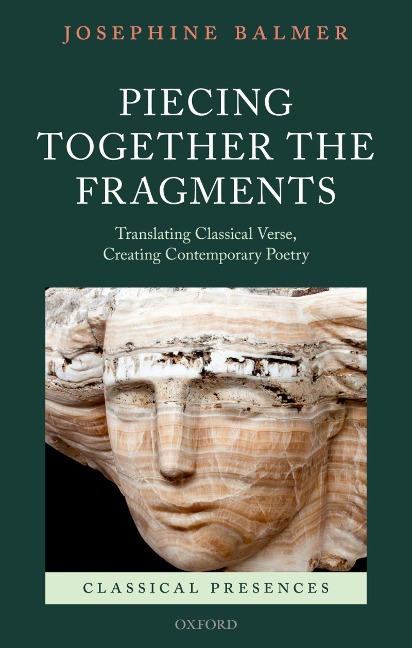
In Piecing Together the Fragments, translator and poet Josephine Balmer examines the art of classical translation from the perspective of the practitioner. Positioning her study within the long tradition of translator prefaces and introductions, Balmer argues that such statements should be considered as much a part of creative writing as literary theory. From translating Sappho and other classical women poets, as well as Catullus and Ovid, to her poetry collections inspired by classical literature, Balmer discusses her relationship with her source texts and uncovers the various strategies and approaches she has employed in their transformations into English. In particular, she reveals how the need for radical translation strategies in any rendition of classical texts into English can inspire the poet/translator to new poetic forms and approaches. Above all, she considers how, through the masks or personae of ancient voices, such works offer writers a means of expressing dangerous or difficult subject matter they might not otherwise have been able to broach. A unique study of the challenges and rewards of translating classical poetry, this volume explores radical new ways in which creativity and scholarship might overlap - and interact.
Josephine Balmer is a poet and translator. Her translations and collections include Sappho: Poems & Fragments (1982, 1986 & 1992), Classical Women Poets (1996), Catullus: Poems of Love and Hate (2204), Chasing Catullus (2004), and The Word for Sorrow (2009). A former Chair of the British Translators' Association and advisor to the British Centre for Literary Translation at the University of East Anglia, she has also written widely on poetry and classical translation for publications such as the Observer, the Independent on Sunday, the TLS, the New Statesman, and The Times.
- Preface - Acknowledgements - Part One: Classical Translation and Translator Statements - 1: Hunting Down the Words: Classical Translator Statements from Catullus to Arthur Golding - 2: Into the Modern Era: from George Chapman to Anne Carson - 3: For Myne Owne Onely Exercise: Women Classical Translators - Part Two: Classical Translation and Dead Languages - 4: The Art of Absence - 5: A Broken Voice Through the Silence: Sappho: Poems and Fragments - Part Three: Classical Translation and Research - 6: Uncovering a New Canon: Classical Women Poets I - 7: Into Completion: Classical Women Poets II - 8: Finding the Jokes: Catullus: Poems of Love and Hate - Part Four: Translation and Creativity - 9: Finding a Place to Hide: Chasing Catullus: Poems, Translations and Transgression - 10: Fragmenting the Self: The Word for Sorrow - In Conclusion: Breaking Down the Boundaries - Bibliography - Index
Dieses eBook wird im PDF-Format geliefert und ist mit einem Adobe Kopierschutz (DRM) versehen. Sie können dieses eBook mit allen Geräten lesen, die das PDF-Format und den Adobe Kopierschutz (DRM) unterstützen.
Zum Beispiel mit den folgenden Geräten:
• tolino Reader
Laden Sie das eBook direkt über den Reader-Shop auf dem tolino herunter oder übertragen Sie das eBook auf Ihren tolino mit einer kostenlosen Software wie beispielsweise Adobe Digital Editions.
• Sony Reader & andere eBook Reader
Laden Sie das eBook direkt über den Reader-Shop herunter oder übertragen Sie das eBook mit der kostenlosen Software Sony READER FOR PC/Mac oder Adobe Digital Editions auf ein Standard-Lesegeräte mit epub- und Adobe DRM-Unterstützung.
• Tablets & Smartphones
Möchten Sie dieses eBook auf Ihrem Smartphone oder Tablet lesen, finden Sie hier unsere kostenlose Lese-App für iPhone/iPad und Android Smartphone/Tablets.
• PC & Mac
Lesen Sie das eBook direkt nach dem Herunterladen mit einer kostenlosen Lesesoftware, beispielsweise Adobe Digital Editions, Sony READER FOR PC/Mac oder direkt über Ihre eBook-Bibliothek in Ihrem Konto unter „Meine eBooks“ - „online lesen“.
Schalten Sie das eBook mit Ihrer persönlichen Adobe ID auf bis zu sechs Geräten gleichzeitig frei.
Bitte beachten Sie, dass die Kindle-Geräte das Format nicht unterstützen und dieses eBook somit nicht auf Kindle-Geräten lesbar ist.