Und dann auf "Zum Home-Bildschirm [+]".

Stöbern
genialokal zum Startbildschirm hinzufügen
Installieren Sie die genialokal App auf Ihrem Startbildschirm für einen schnellen Zugriff und eine komfortable Nutzung.
Installieren Sie die genialokal App auf Ihrem Startbildschirm für einen schnellen Zugriff und eine komfortable Nutzung.
Ihr gewünschter Artikel ist in 0 Buchhandlungen vorrätig - wählen Sie hier eine Buchhandlung in Ihrer Nähe aus:

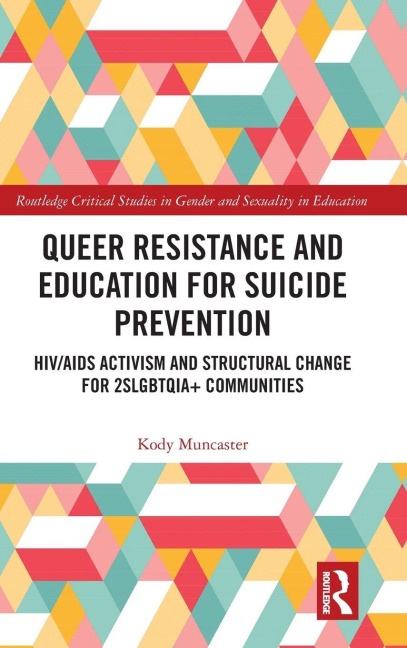
This book takes inspiration from AIDS activist history to argue that current individualized approaches to the queer suicide crisis could be expanded to include structural work. Critiquing initiatives that fail to address traumatic conditions causing queer suicidality, it proposes adapting AIDS activist strategies as educational resistance to the structural forces that make many queer people not want to be alive. The book explores six areas critical to improving the livability of queer communities: (1) familial homophobia and transphobia, (2) poverty, (3) healthcare, (4) education, (5) lateral violence, and (6) administrative violence. Examining both lived realities and educational implications, it makes an urgent case for the importance of addressing these six areas for queer folks, especially trans youth, in an increasingly conservative climate. A timely and forward-thinking volume, this book will be of interest to researchers, students, and activists working on queer history, mental health, HIV/AIDS, activism, and queer and trans studies.
Kody Muncaster holds a PhD in Gender, Sexuality, and Women's Studies and is a trauma therapist for marginalized communities. They are also the author of the book Queer Engaged Buddhism (2025).
Chapter 1: Introduction: The Queer Trauma of AIDS and Suicide in Necropolitical Times Chapter 2: Queer Necropolitical Approaches to AIDS and Public Pedagogy Chapter 3: Queering Suicide Prevention: Affect and the Need to Make It Better Chapter 4: The Queer Non-Profit Industrial Complex, the Opioid Epidemic, and Trans Organizational Possibilities Chapter 5: Caring and Resilience to Suicide: A Structural Community Toolkit Chapter 6: Conclusion: On Queer Hope